















Global Power Plant Control Market Outlook to 2030
Region:Global
Author(s):Shivani
Product Code:KROD7482
November 2024
99
About the Report
Global Power Plant Control Market Overview
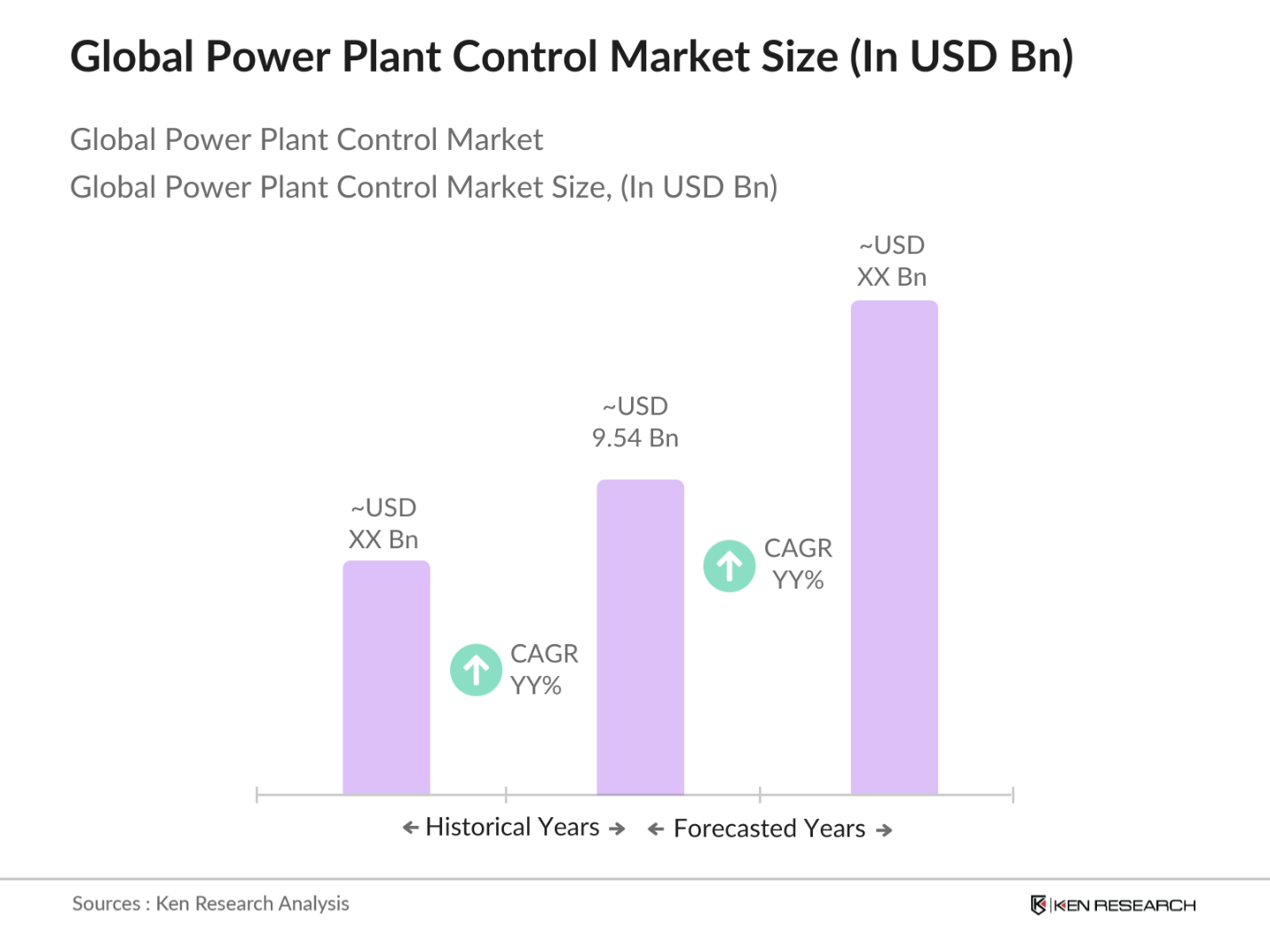
- The global power plant control market is valued at USD 9.54 billion, driven by the increasing integration of renewable energy sources, the need for grid stability, and the expansion of smart grids. Power plants, both conventional and renewable, require advanced control systems to optimize performance, manage energy loads, and ensure grid security. These demands have pushed the development of control systems that incorporate digital technologies like AI, IoT, and automation, enhancing operational efficiency and real-time monitoring capabilities.
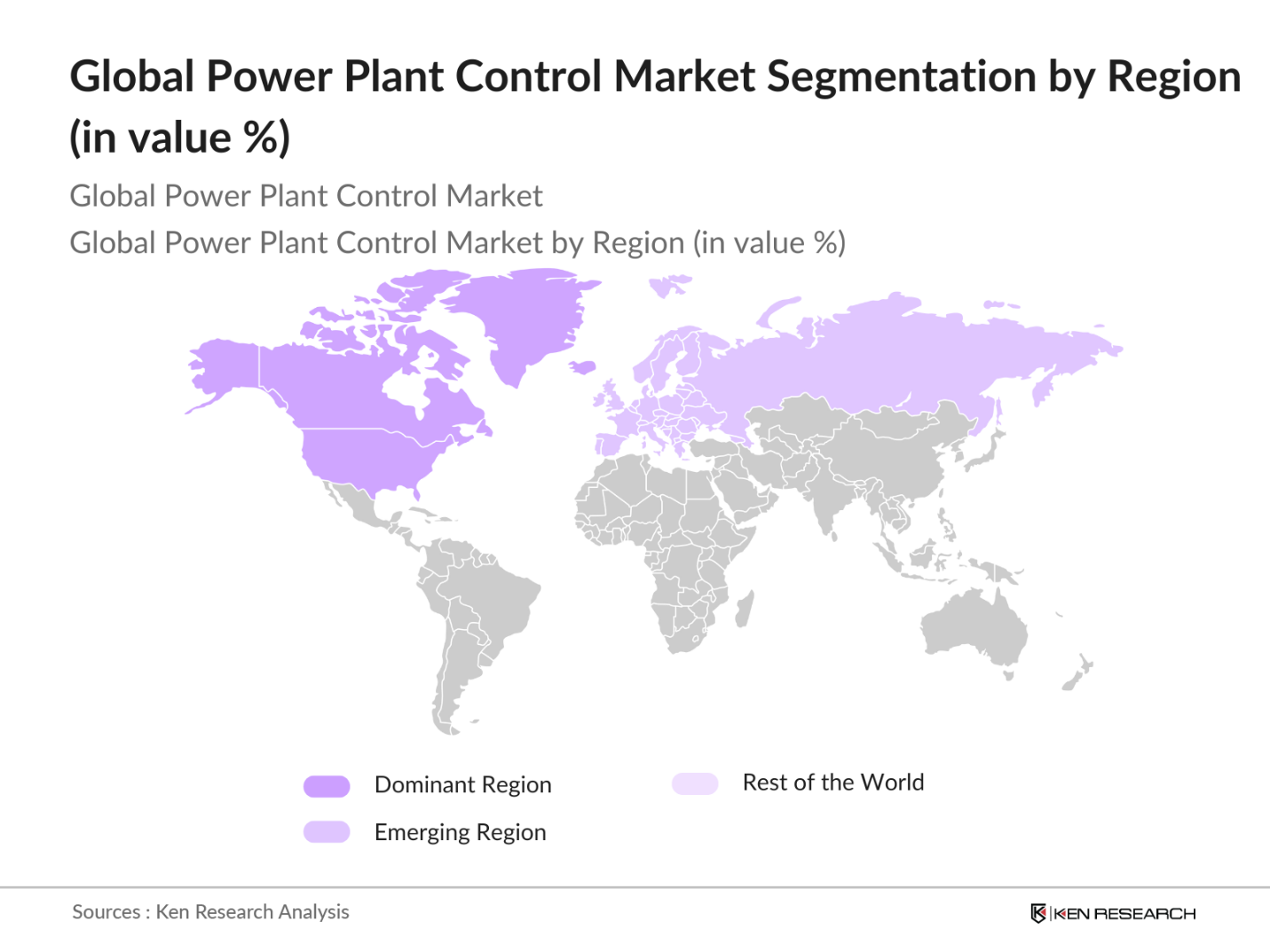
- Regions such as North America, Europe, and Asia-Pacific dominate the market due to their advanced power infrastructure, robust government regulations on emissions, and investments in smart grids. The United States, Germany, and China lead in technology adoption, driven by stringent emission standards, the rapid expansion of renewable energy projects, and the modernization of their energy infrastructures. The dominance of these regions is attributed to their technological advancement, government support, and the presence of global market players focusing on renewable integration.
- Governments worldwide are offering significant subsidies and incentives to promote green energy adoption. In 2023, the global green energy subsidies totaled $240 billion, according to the World Energy Council. These subsidies are driving investments in renewable energy projects and the adoption of modern control systems for power plants. Additionally, tax incentives and grants are encouraging power plant operators to upgrade their control systems, particularly in developed markets where renewable energy is rapidly expanding.
Global Power Plant Control Market Segmentation
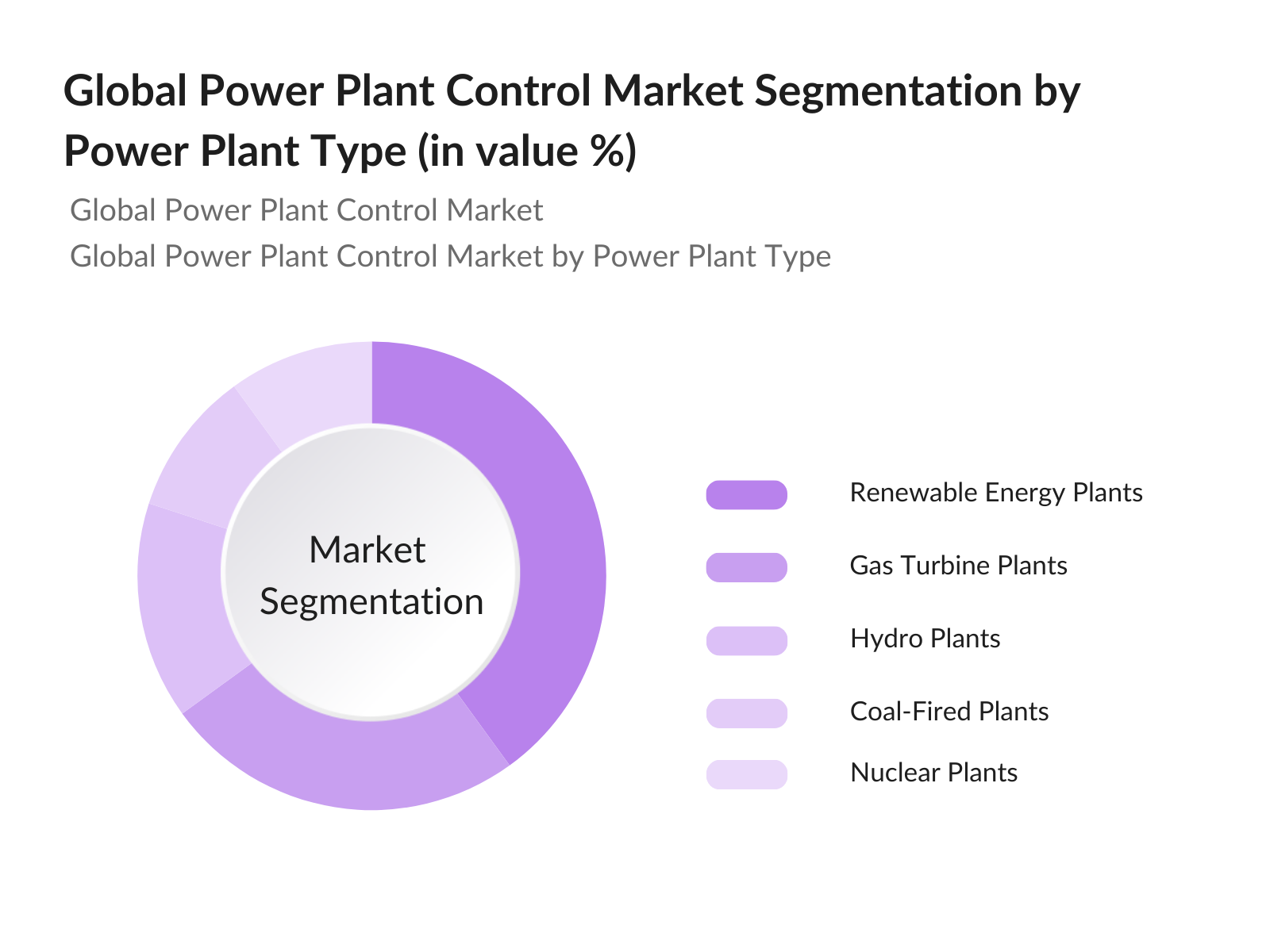
By Power Plant Type: The market is segmented by power plant type, including coal-fired, gas turbine, hydro, nuclear, and renewable energy power plants. Renewable Energy Power Plants dominate this segment due to global efforts to reduce carbon emissions and the adoption of wind, solar, and biomass energy. These plants are increasingly using advanced control systems to enhance efficiency and integrate with grids.
By Region: The market is geographically segmented into North America, Europe, Asia-Pacific, Middle East & Africa, and Latin America. North America dominates the power plant control market due to investments in smart grid technology and the growing share of renewables in the energy mix. The region is focused on upgrading old power plant infrastructure and adopting digital control systems.
Global Power Plant Control Market Competitive Landscape
The global power plant control market is consolidated, with key players leveraging technological innovations and strategic partnerships to maintain market dominance. Companies are focusing on automation, real-time data processing, and AI-driven solutions to enhance power plant efficiency. The market is characterized by increasing collaborations between local utilities and global technology providers to enhance smart grid systems and digital power plant management.
|
Company Name |
Establishment Year |
Headquarters |
Product Portfolio |
R&D Investment |
No. of Employees |
Global Reach |
Strategic Initiatives |
|
ABB Ltd. |
1988 |
Zurich, Switzerland |
Control Systems, Automation |
- |
- |
- |
- |
|
Siemens AG |
1847 |
Munich, Germany |
SCADA, EMS, Sensors |
- |
- |
- |
- |
|
General Electric |
1892 |
Boston, USA |
Power Systems, AI Integration |
- |
- |
- |
- |
|
Schneider Electric |
1836 |
Rueil-Malmaison, France |
Automation, Smart Grids |
- |
- |
- |
- |
|
Mitsubishi Electric Corporation |
1921 |
Tokyo, Japan |
Energy Management, SCADA |
- |
- |
- |
- |
Global Power Plant Control Market Analysis
Market Growth Drivers:
- Integration of Renewable Energy Sources: The global push for renewable energy integration has led to a significant transformation in the power plant control systems market. In 2023, renewable energy sources contributed significantly to global electricity generation, according to the International Energy Agency (IEA), with further growth driven by stringent carbon reduction policies and renewable energy mandates. The integration of wind, solar, and hydropower sources into the grid is creating demand for advanced control systems capable of managing variable generation. Investments in renewable energy exceeded $500 billion globally in 2022, further fueling growth in the sector.
- Increasing Grid Complexity: With the rise in renewable energy adoption, the global energy grid has become increasingly complex. The World Bank's 2024 report on energy infrastructure shows that numerous countries are experiencing grid instability due to the integration of distributed energy resources, including renewables and microgrids. This growing complexity demands advanced power plant control systems to manage fluctuating power flows, ensuring grid stability. Additionally, decentralized energy solutions are being adopted in many regions, necessitating better control and real-time data management across the grid to optimize efficiency and prevent disruptions.
- Government Regulations on Emissions: Governments worldwide have implemented stringent carbon reduction policies to combat climate change. Many countries have committed to net-zero emissions goals, which require immediate reductions in fossil fuel consumption. These initiatives have led to significant investments in renewable energy projects, with substantial government subsidies supporting the transition. As a result, there is increased demand for power plant control systems that enable better management of renewable energy sources and help facilitate emissions reduction efforts, aligning with global sustainability objectives.
Market Opportunities:
- Investments in Smart Grid Infrastructure: Governments and private entities are making substantial investments in smart grid infrastructure, which facilitates decentralized energy generation and microgrids. In 2023, the global investment in smart grids reached $130 billion, as reported by the International Energy Agency (IEA). This infrastructure is crucial for enabling the integration of renewable energy and improving the reliability of energy distribution. Power plant control systems are essential to managing the increased complexity that comes with decentralized power generation.
- International Collaborations on Energy Projects: In recent years, international collaborations on energy projects have surged. In 2023 alone, over 100 cross-border energy infrastructure projects were initiated globally, as noted by the World Energy Council. These collaborations facilitate the sharing of technology, resources, and expertise, driving the development of advanced power plant control systems. By working together, countries can leverage economies of scale and accelerate the deployment of innovative control technologies.
Global Power Plant Control Market Future Outlook
Over the next few years, the global power plant control market is expected to grow significantly, driven by increasing demand for renewable energy integration, advancements in control technologies, and government support for modernizing the power sector. With smart grid projects gaining momentum, the market will witness greater investments in automation, AI-driven control systems, and IoT-based solutions that enable real-time monitoring and improved plant performance.
Market Opportunities:
- Integration of Battery Storage Solutions: Battery storage is becoming an integral part of modern power plant control systems. In 2023, global battery storage capacity surpassed 50 GW, driven by the increasing demand for energy storage to complement renewable energy sources. According to the U.S. Energy Information Administration (EIA), battery storage solutions help manage grid fluctuations and provide backup power during outages, ensuring stable electricity supply. The adoption of battery storage systems is growing rapidly, with investments reaching $12 billion in 2023.
- International Collaborations on Energy Projects: In recent years, international collaborations on energy projects have surged. In 2023 alone, over 100 cross-border energy infrastructure projects were initiated globally, as noted by the World Energy Council. These collaborations facilitate the sharing of technology, resources, and expertise, driving the development of advanced power plant control systems. By working together, countries can leverage economies of scale and accelerate the deployment of innovative control technologies.
Scope of the Report
|
By Component |
Hardware Software Services |
|
By Power Plant Type |
Coal-Fired Gas Turbine Hydro Nuclear, Renewable |
|
By Application |
Load Frequency Control Generator Excitation DCS |
|
By End-User |
Utilities Independent Power Producers Industrial Power Plants |
|
By Region |
North America Europe Asia-Pacific Middle East & Africa Latin America |
Products
Key Target Audience
Power Generation Companies
Utility Companies
Independent Power Producers (IPPs)
Government and Regulatory Bodies (International Renewable Energy Agency, U.S. Department of Energy)
Investment and Venture Capitalist Firms
Smart Grid Technology Providers
Automation System Providers
Renewable Energy Project Developers
Companies
Major Players in the Market
ABB Ltd.
Siemens AG
General Electric
Schneider Electric SE
Mitsubishi Electric Corporation
Rockwell Automation Inc.
Honeywell International Inc.
Emerson Electric Co.
Yokogawa Electric Corporation
Hitachi Ltd.
Toshiba Corporation
Woodward Inc.
Bharat Heavy Electricals Limited (BHEL)
Larsen & Toubro (L&T)
Wartsila Corporation
Table of Contents
1. Global Power Plant Control Market Overview
1.1. Definition and Scope
1.2. Market Taxonomy
1.3. Market Dynamics Overview (Demand Drivers, Challenges, Opportunities)
1.4. Market Growth Drivers
1.5. Key Trends Impacting Market
1.6. Market Segmentation Overview
2. Global Power Plant Control Market Size (In USD Billion)
2.1. Historical Market Size
2.2. Year-on-Year Growth Analysis
2.3. Key Market Developments and Milestones
3. Global Power Plant Control Market Analysis
3.1. Growth Drivers
3.1.1. Integration of Renewable Energy Sources
3.1.2. Increasing Grid Complexity
3.1.3. Government Regulations on Emissions (Carbon Reduction Policies, Renewable Energy Mandates)
3.2. Market Challenges
3.2.1. High Initial Investment (Capital Expenditure, Operational Costs)
3.2.2. Cybersecurity Concerns (Threats to Control Systems)
3.2.3. Technical Challenges in Power Plant Integration (Interconnection, Grid Stability)
3.3. Opportunities
3.3.1. Adoption of Advanced Control Systems (AI, Predictive Analytics, and IoT)
3.3.2. Investments in Smart Grid Infrastructure (Decentralized Energy, Microgrids)
3.3.3. International Collaborations on Energy Projects
3.4. Trends
3.4.1. Increasing Use of Automation and Digital Twins
3.4.2. Integration of Battery Storage Solutions
3.4.3. Enhanced Load Management Techniques
3.5. Government Regulation
3.5.1. Clean Energy Standards
3.5.2. Energy Efficiency Regulations
3.5.3. National Renewable Energy Plans
3.5.4. Subsidies and Incentives for Green Energy
3.6. SWOT Analysis
3.7. Stakeholder Ecosystem (Suppliers, Distributors, Operators)
3.8. Porters Five Forces Analysis
3.9. Competition Ecosystem (Market Share, Competitive Landscape)
4. Global Power Plant Control Market Segmentation
4.1. By Component
4.1.1. Hardware (Controllers, Sensors, Switchgears)
4.1.2. Software (SCADA, EMS, HMI)
4.1.3. Services (Installation, Maintenance, Upgradation)
4.2. By Power Plant Type
4.2.1. Coal-Fired Power Plants
4.2.2. Gas Turbine Power Plants
4.2.3. Hydro Power Plants
4.2.4. Nuclear Power Plants
4.2.5. Renewable Energy Power Plants (Wind, Solar, Biomass)
4.3. By Application
4.3.1. Load Frequency Control
4.3.2. Generator Excitation and Voltage Control
4.3.3. Distributed Control Systems (DCS)
4.4. By End-User
4.4.1. Utilities
4.4.2. Independent Power Producers (IPPs)
4.4.3. Industrial Power Plants
4.5. By Region
4.5.1. North America
4.5.2. Europe
4.5.3. Asia-Pacific
4.5.4. Middle East & Africa
4.5.5. Latin America
5. Global Power Plant Control Market Competitive Analysis
5.1. Detailed Profiles of Major Companies
5.1.1. ABB Ltd.
5.1.2. Siemens AG
5.1.3. General Electric
5.1.4. Emerson Electric Co.
5.1.5. Mitsubishi Electric Corporation
5.1.6. Schneider Electric SE
5.1.7. Rockwell Automation Inc.
5.1.8. Honeywell International Inc.
5.1.9. Yokogawa Electric Corporation
5.1.10. Hitachi Ltd.
5.1.11. Toshiba Corporation
5.1.12. Woodward Inc.
5.1.13. Bharat Heavy Electricals Limited (BHEL)
5.1.14. Larsen & Toubro (L&T)
5.1.15. Wartsila Corporation
5.2. Cross Comparison Parameters
No. of Employees
Headquarters
Revenue
Product Portfolio
Global Presence
R&D Investments
Market Share
Strategic Partnerships
5.3. Market Share Analysis
5.4. Strategic Initiatives
5.5. Mergers and Acquisitions
5.6. Investment Analysis
5.7. Venture Capital Funding
5.8. Private Equity Investments
6. Global Power Plant Control Market Regulatory Framework
6.1. Environmental Standards
6.2. Compliance Requirements
6.3. Certification Processes
7. Global Power Plant Control Market Future Market Size (In USD Billion)
7.1. Future Market Size Projections
7.2. Key Factors Driving Future Market Growth
8. Global Power Plant Control Market Future Market Segmentation
8.1. By Component
8.2. By Power Plant Type
8.3. By Application
8.4. By End-User
8.5. By Region
9. Global Power Plant Control Market Analysts Recommendations
9.1. TAM/SAM/SOM Analysis
9.2. Customer Cohort Analysis
9.3. White Space Opportunity Analysis
9.4. Strategic Marketing Initiatives
Disclaimer
Contact Us
Research Methodology
Step 1: Identification of Key Variables
The initial step involves identifying major stakeholders within the global power plant control market. Through comprehensive desk research, key variables that impact the market such as regulatory influences, technology trends, and investment patterns were mapped and analyzed.
Step 2: Market Analysis and Construction
In this phase, historical market data was compiled to evaluate the market penetration and performance of power plant control systems. Emphasis was placed on examining energy mix shifts and grid complexity issues affecting control system adoption.
Step 3: Hypothesis Validation and Expert Consultation
Key market hypotheses were tested and validated by conducting interviews with industry experts across multiple power plant operators. These consultations provided crucial insights into plant control challenges, technology preferences, and future needs.
Step 4: Research Synthesis and Final Output
The final stage involved synthesizing findings through engagement with key market participants, ensuring a robust and validated market analysis. This helped produce actionable insights tailored to the specific needs of stakeholders within the power plant control sector.
Frequently Asked Questions
01. How big is the global power plant control market?
The global power plant control market is valued at USD 9.54 billion, driven by the growing adoption of renewable energy sources, grid modernization, and the increasing complexity of power distribution networks.
02. What are the challenges in the global power plant control market?
Challenges include high capital investments, cybersecurity concerns related to digitalization, and technical complexities in integrating new control systems with legacy power plants.
03. Who are the major players in the global power plant control market?
Key players include ABB Ltd., Siemens AG, General Electric, Mitsubishi Electric Corporation, and Schneider Electric SE. These companies lead due to their technological innovations and global presence in power solutions.
04. What is driving growth in the global power plant control market?
Growth is driven by increasing demand for renewable energy integration, advancements in automation, and government incentives for improving grid stability and reducing emissions.
Why Buy From Us?

What makes us stand out is that our consultants follows Robust, Refine and Result (RRR) methodology. i.e. Robust for clear definitions, approaches and sanity checking, Refine for differentiating respondents facts and opinions and Result for presenting data with story

We have set a benchmark in the industry by offering our clients with syndicated and customized market research reports featuring coverage of entire market as well as meticulous research and analyst insights.

While we don't replace traditional research, we flip the method upside down. Our dual approach of Top Bottom & Bottom Top ensures quality deliverable by not just verifying company fundamentals but also looking at the sector and macroeconomic factors.

With one step in the future, our research team constantly tries to show you the bigger picture. We help with some of the tough questions you may encounter along the way: How is the industry positioned? Best marketing channel? KPI's of competitors? By aligning every element, we help maximize success.

Our report gives you instant access to the answers and sources that other companies might choose to hide. We elaborate each steps of research methodology we have used and showcase you the sample size to earn your trust.

If you need any support, we are here! We pride ourselves on universe strength, data quality, and quick, friendly, and professional service.