
India Injection Molding Market Outlook to 2030
Region:India
Author(s):Shubham Kashyap
Product Code:KROD4173
Region:India
Author(s):Shubham Kashyap
Product Code:KROD4173
December 2024
94
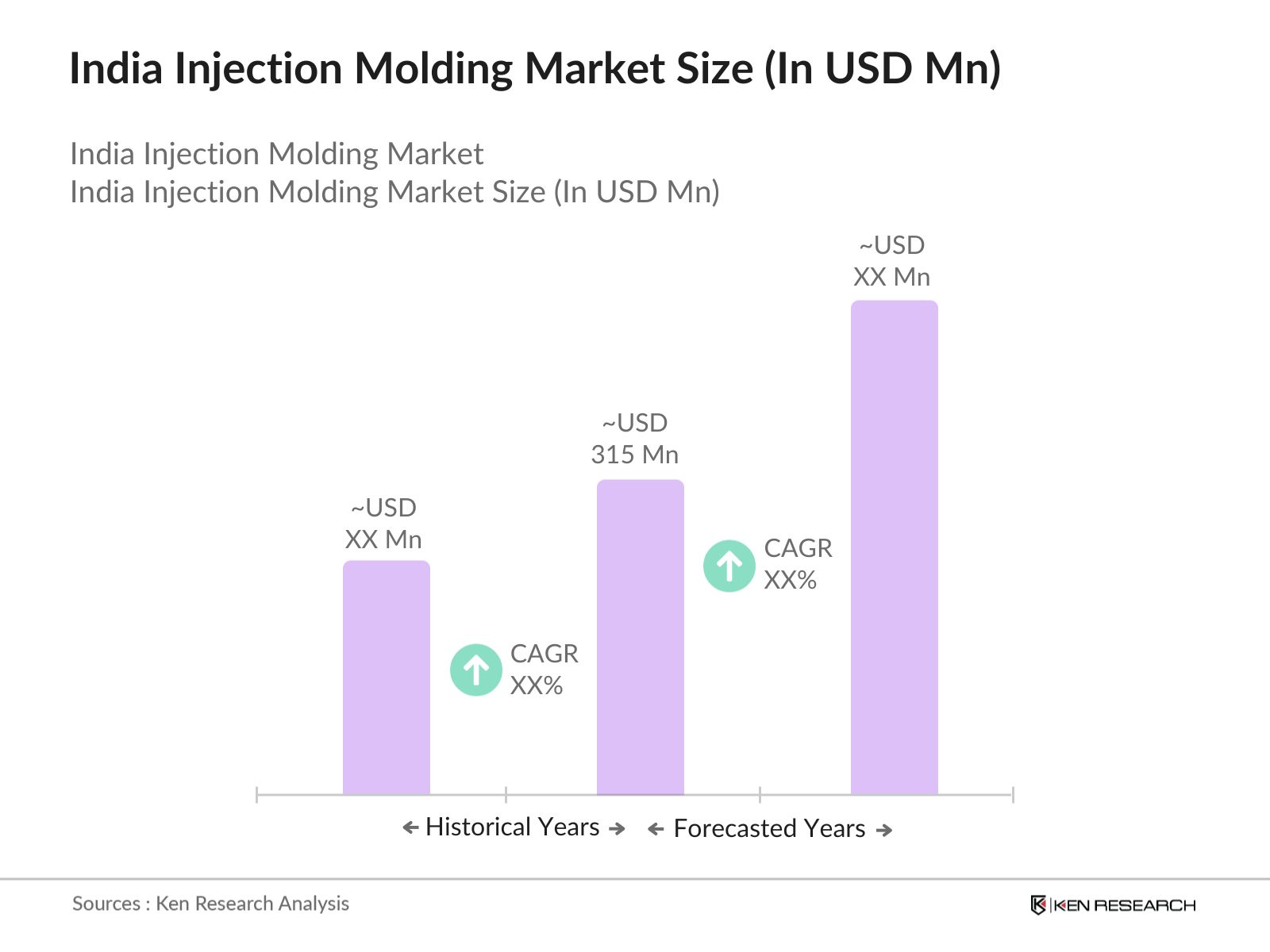
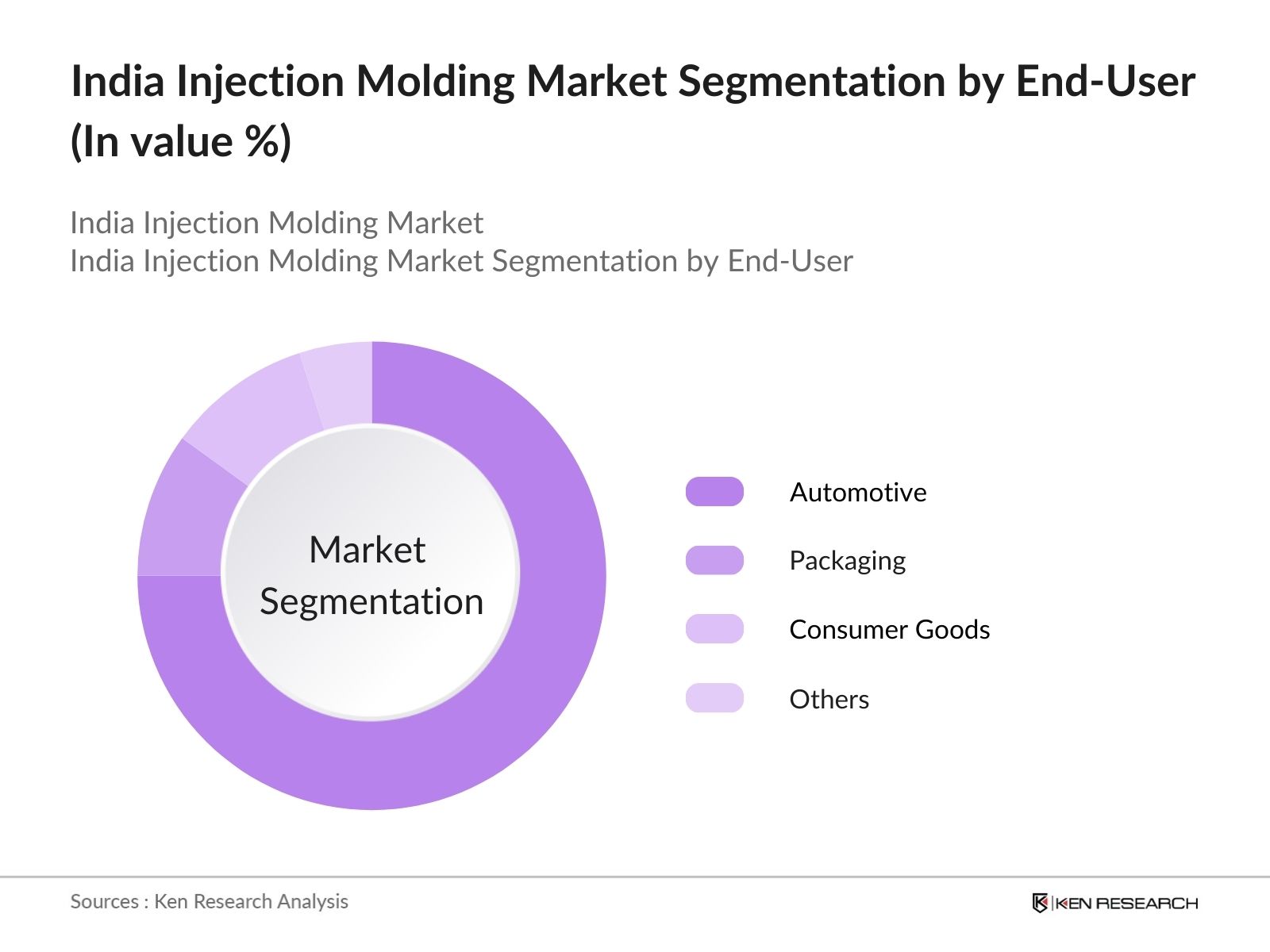
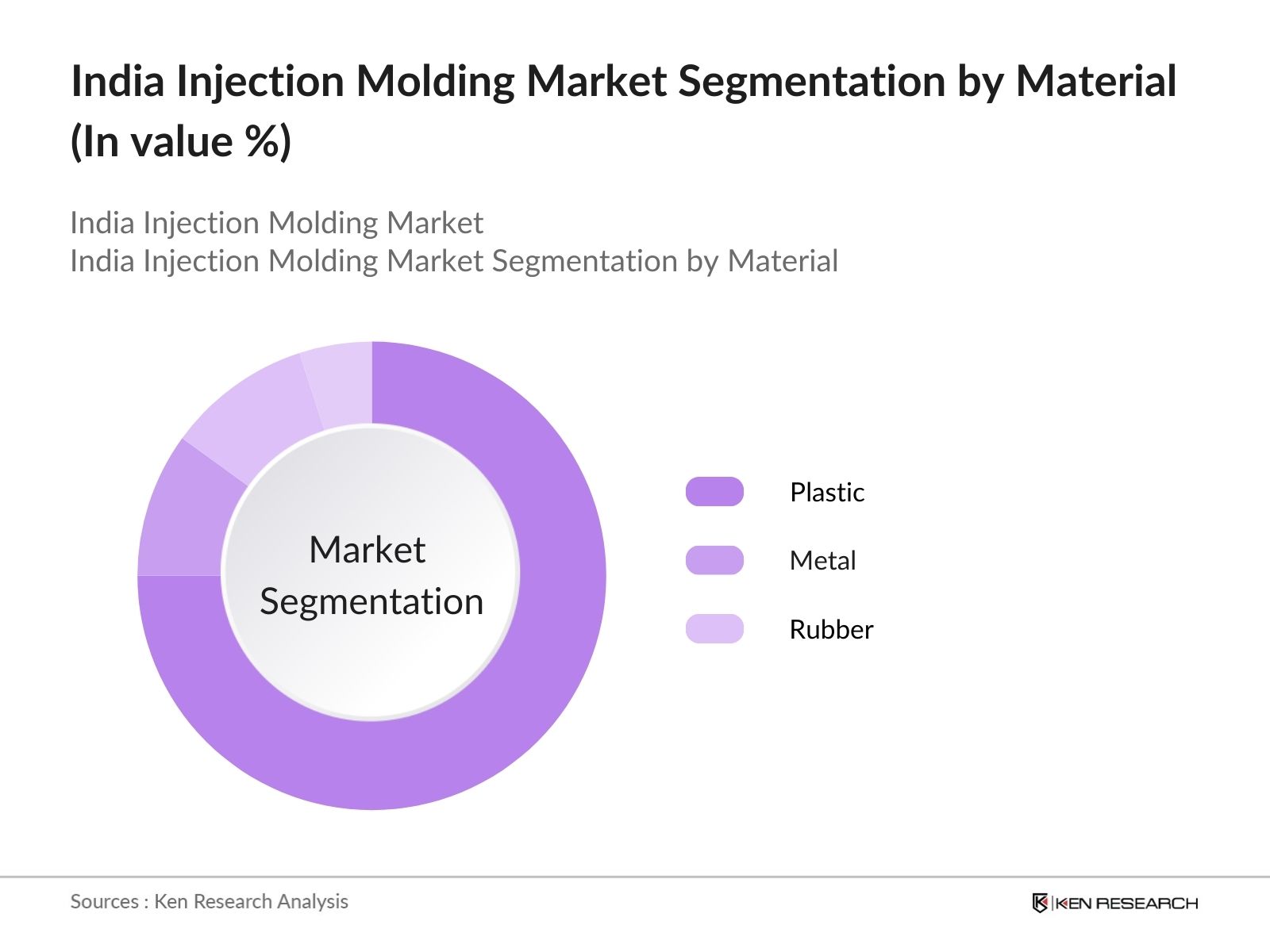
The India injection molding market is competitive, with both global and domestic players vying for market share. Leading companies such as Engel, Haitian International, and Milacron dominate the market with advanced technologies and a strong presence across various sectors. These companies are continually investing in R&D to introduce innovative solutions and improve efficiency in production processes. Local manufacturers are also gaining prominence by offering cost-effective solutions tailored to the needs of Indian industries.
|
Company |
Establishment Year |
Headquarters |
Product Portfolio |
Technological Advancements |
R&D Investment |
Global Reach |
Market Share (%) |
Key End-User Industries |
|
Engel |
1945 |
Austria |
||||||
|
Haitian International |
1966 |
China |
||||||
|
Milacron |
1860 |
USA |
||||||
|
Windsor Machines |
1960 |
India |
||||||
|
Sumitomo (SHI) Demag |
1936 |
Japan |
Growth Drivers
Market Challenges
The India injection molding market is expected to grow steadily over the next five years, driven by the expansion of key end-user industries, government support, and technological advancements. The increasing demand for lightweight, durable, and high-precision components across sectors such as automotive, consumer goods, and packaging will propel the market forward. The rise of e-commerce and the need for sustainable packaging solutions also present significant growth opportunities for the industry.
Future Market Opportunities
|
By End-User |
Automotive Packaging Consumer Goods Electronics Medical Devices |
|
By Material Type |
Plastic Metal Rubber |
|
By Product Type |
Components Molds Systems |
|
By Application |
High-Precision Components Large-scale Manufacturing |
|
By Region |
North South West East |
1.1 Definition and Scope
1.2 Market Taxonomy
1.3 Market Growth Rate (Market Growth Rate by End-User Industry and Material Type)
1.4 Market Segmentation Overview (Segmentation Overview by End-User Industry, Material Type, and Product Type)
2.1 Historical Market Size (Market Size by Key End-User Industry and Application)
2.2 Year-On-Year Growth Analysis (YoY Growth in Value %)
2.3 Key Market Developments and Milestones (Major Industry Events Impacting Growth)
3.1 Growth Drivers
3.1.1 Expanding Automotive Industry (Automotive Sector Growth Impact on Demand)
3.1.2 Packaging Sector Growth (Rising Demand for Injection Molded Packaging Solutions)
3.1.3 Consumer Goods Demand (Market Demand for Injection Molding in Consumer Goods)
3.1.4 Technological Advancements (Impact of Advanced Machinery on Production Efficiency)
3.2 Market Challenges
3.2.1 High Initial Capital Investments (Barrier for Small and Medium Enterprises)
3.2.2 Environmental Regulations (Impact of Plastic Ban and Recycling Initiatives)
3.2.3 Supply Chain Disruptions (Material Availability and Production Delays)
3.3 Opportunities
3.3.1 Sustainable Materials Adoption (Shift Toward Eco-Friendly Materials in Injection Molding)
3.3.2 Expansion into Medical Devices (Growth of Injection Molding in Medical Device Manufacturing)
3.3.3 Growth of Aftermarket Automotive Parts (Increased Demand for Injection Molded Parts in Aftermarket)
3.4 Trends
3.4.1 Use of Biodegradable Plastics (Trends in Material Usage for Sustainable Manufacturing)
3.4.2 Integration of Automation (Impact of Automated Systems on Injection Molding)
3.4.3 Lightweighting in Automotive Industry (Reducing Weight in Auto Parts through Injection Molding)
3.5 Government Regulation
3.5.1 National Manufacturing Policy (Regulations Affecting Domestic Manufacturing)
3.5.2 Plastic Waste Management Rules (Compliance for Plastic Usage in Manufacturing)
3.5.3 Incentives for Sustainable Manufacturing (Government Support for Eco-friendly Practices)
3.6 SWOT Analysis
3.7 Stake Ecosystem (Supply Chain Dynamics and Partnerships)
3.8 Porters Five Forces (Competitiveness in the India Injection Molding Market)
3.9 Competition Ecosystem (Overview of Competitive Landscape)
4.1 By End-User Industry (In Value %)
4.1.1 Automotive
4.1.2 Packaging
4.1.3 Consumer Goods
4.1.4 Electronics
4.1.5 Medical Devices
4.2 By Material Type (In Value %)
4.2.1 Plastic
4.2.2 Metal
4.2.3 Rubber
4.3 By Product Type (In Value %)
4.3.1 Components
4.3.2 Molds
4.3.3 Systems
4.4 By Application (In Value %)
4.4.1 High-Precision Components
4.4.2 Large-scale Manufacturing
4.5 By Region (In Value %)
4.5.1 North
4.5.2 South
4.5.3 West
4.5.4 East
5.1 Detailed Profiles of Major Companies
5.1.1 Engel
5.1.2 Haitian International
5.1.3 Milacron
5.1.4 Toshiba Machine
5.1.5 Windsor Machines
5.1.6 Sumitomo (SHI) Demag
5.1.7 Arburg GmbH
5.1.8 JSW Plastics Machinery
5.1.9 KraussMaffei
5.1.10 Husky Injection Molding Systems
5.1.11 Tederic Machinery
5.1.12 Nissei Plastic Industrial Co.
5.1.13 Chen Hsong Holdings Limited
5.1.14 Negri Bossi
5.1.15 Ferromatik Milacron India
5.2 Cross Comparison Parameters (No. of Employees, Headquarters, Revenue, Market Presence, Key Product Segments, Technological Advancements, R&D Expenditure, Industry Certifications)
5.3 Market Share Analysis
5.4 Strategic Initiatives (New Product Launches, Technological Advancements)
5.5 Mergers and Acquisitions
5.6 Investment Analysis (Major Investments in the Sector)
5.7 Venture Capital Funding
5.8 Government Grants
5.9 Private Equity Investments
6.1 Manufacturing Regulations (Regulatory Policies for Manufacturing)
6.2 Compliance Requirements (Compliance with Environmental and Industry Standards)
6.3 Certification Processes (Industry Certifications for Quality and Sustainability)
7.1 Future Market Size Projections (Expected Growth Based on Industry Trends and Demand)
7.2 Key Factors Driving Future Market Growth (Technological Advancements, Material Innovations)
8.1 By End-User Industry (In Value %)
8.2 By Material Type (In Value %)
8.3 By Product Type (In Value %)
8.4 By Application (In Value %)
8.5 By Region (In Value %)
9.1 TAM/SAM/SOM Analysis (Total Available Market, Serviceable Available Market, Serviceable Obtainable Market)
9.2 Customer Cohort Analysis (Segmented Consumer Insights for Targeted Marketing)
9.3 Marketing Initiatives (Strategies for Market Penetration and Expansion)
9.4 White Space Opportunity Analysis (Identification of Market Gaps and Opportunities)
Disclaimer Contact Us
The initial phase involved mapping the entire ecosystem of the India Injection Molding Market. This included conducting extensive desk research and gathering industry-level data through proprietary and secondary databases. The goal was to identify and define key variables that influence market dynamics, such as raw material supply, demand trends, and industry regulations.
Historical data for the India Injection Molding Market was analyzed to evaluate market penetration and industry dynamics. This step involved examining the production-to-consumption ratio, revenue trends, and market maturity. Service quality and performance statistics were also factored into the analysis to ensure accuracy in revenue estimations.
Key hypotheses regarding the markets future trajectory were developed and validated through consultations with industry experts. Computer-assisted telephone interviews (CATIs) with stakeholders from various segments of the injection molding industry provided insights that helped refine and corroborate the market analysis.
The final phase involved synthesizing the research findings and validating them through direct engagement with injection molding manufacturers. This stage ensured that all data pointsparticularly those related to product segments, sales performance, and end-user industrieswere accurate and comprehensive.
The India Injection Molding Market is valued at USD 315 million, driven by strong demand in the automotive, packaging, and consumer goods sectors.
Challenges include high initial capital investments, environmental concerns over plastic waste, and supply chain disruptions that affect raw material availability.
Major players in the market include Engel, Haitian International, Milacron, Windsor Machines, and Sumitomo (SHI) Demag.
The market is driven by the growing demand for lightweight, durable automotive parts and the rise in demand for packaging solutions in the consumer goods industry.

What makes us stand out is that our consultants follows Robust, Refine and Result (RRR) methodology. i.e. Robust for clear definitions, approaches and sanity checking, Refine for differentiating respondents facts and opinions and Result for presenting data with story

We have set a benchmark in the industry by offering our clients with syndicated and customized market research reports featuring coverage of entire market as well as meticulous research and analyst insights.

While we don't replace traditional research, we flip the method upside down. Our dual approach of Top Bottom & Bottom Top ensures quality deliverable by not just verifying company fundamentals but also looking at the sector and macroeconomic factors.

With one step in the future, our research team constantly tries to show you the bigger picture. We help with some of the tough questions you may encounter along the way: How is the industry positioned? Best marketing channel? KPI's of competitors? By aligning every element, we help maximize success.

Our report gives you instant access to the answers and sources that other companies might choose to hide. We elaborate each steps of research methodology we have used and showcase you the sample size to earn your trust.

If you need any support, we are here! We pride ourselves on universe strength, data quality, and quick, friendly, and professional service.