
India Nanotechnology in Energy Applications Market Outlook to 2030
Region:India
Author(s):Naman Rohilla
Product Code:KROD3605
Region:India
Author(s):Naman Rohilla
Product Code:KROD3605
November 2024
97
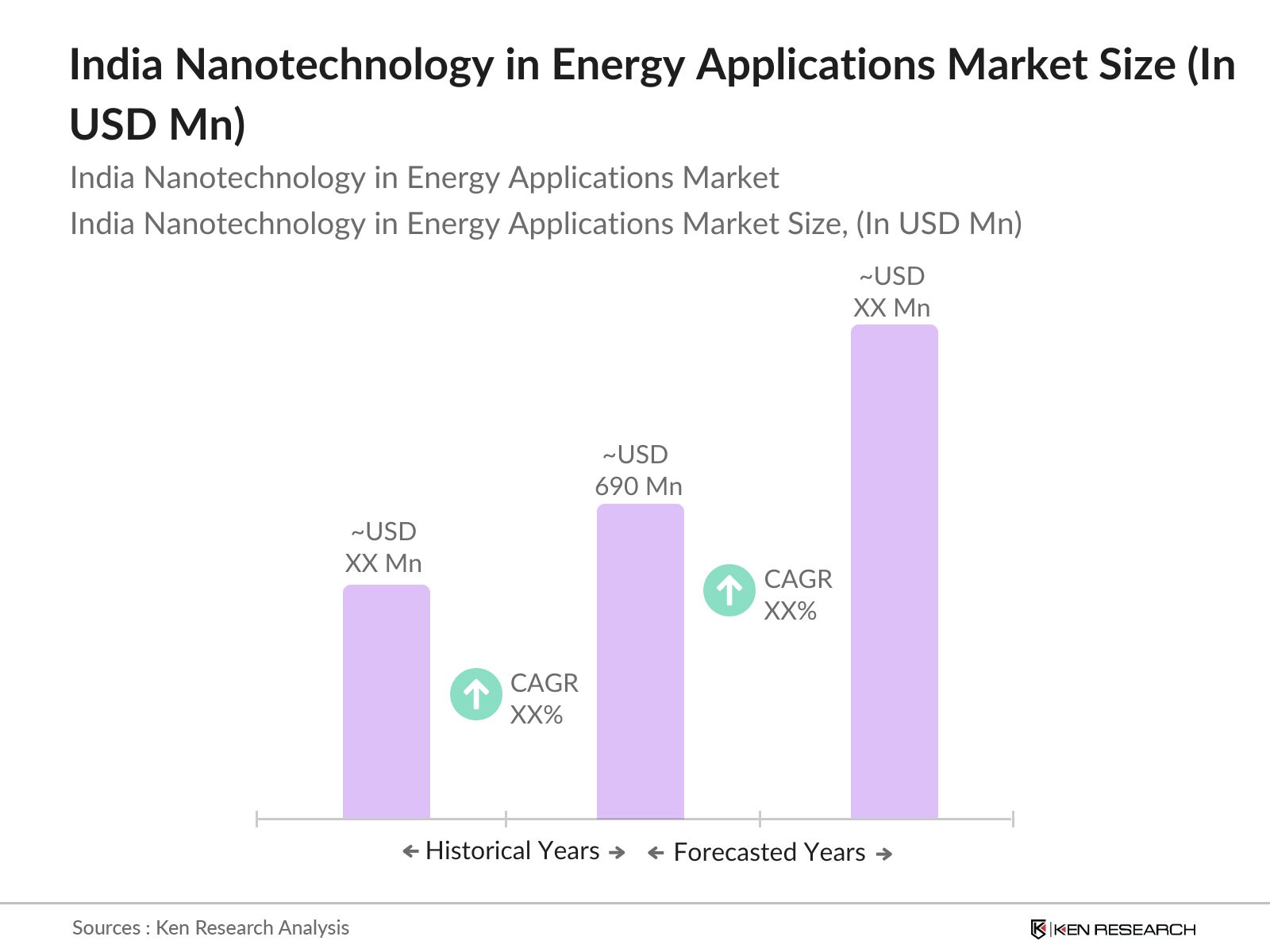
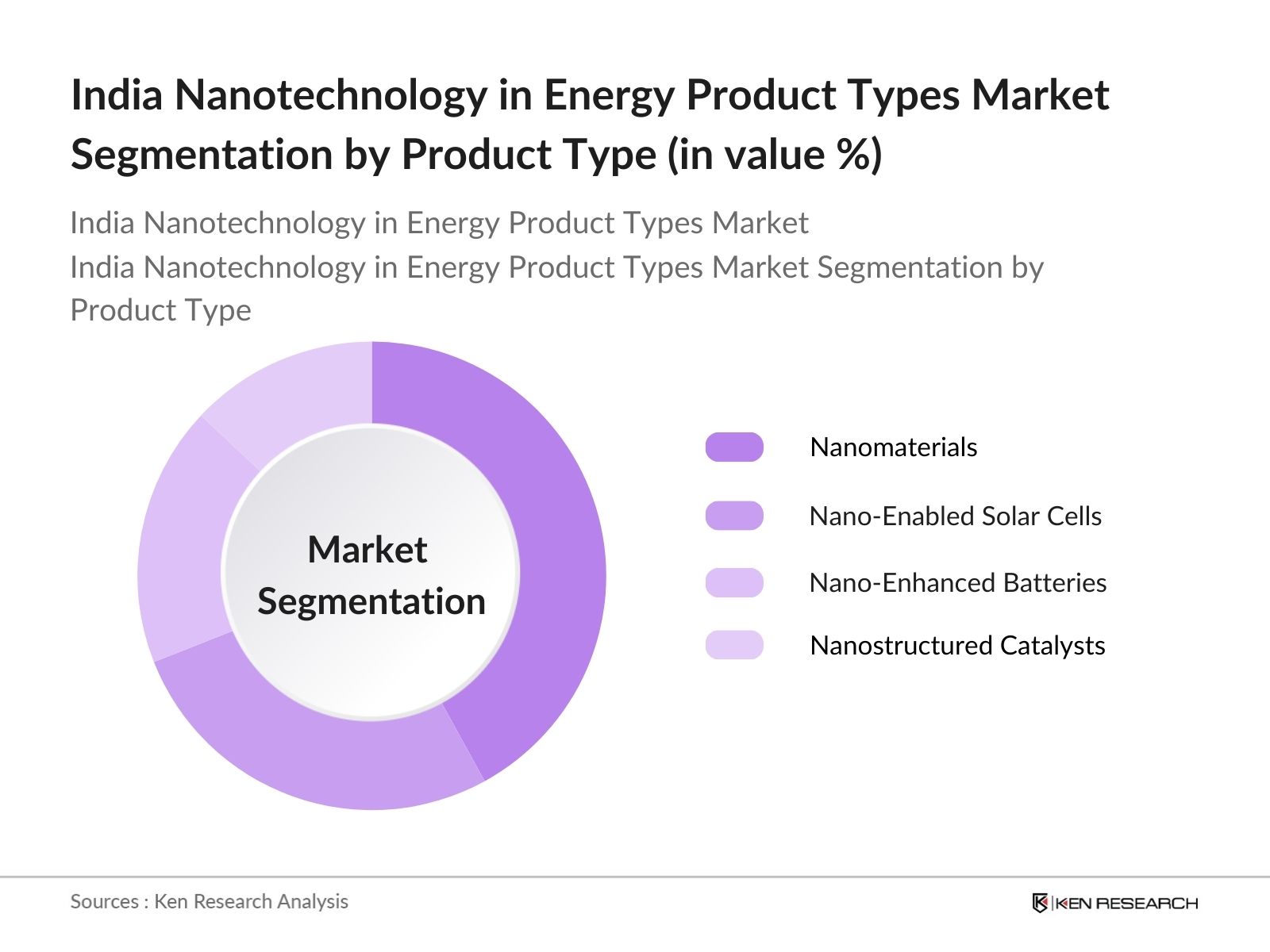
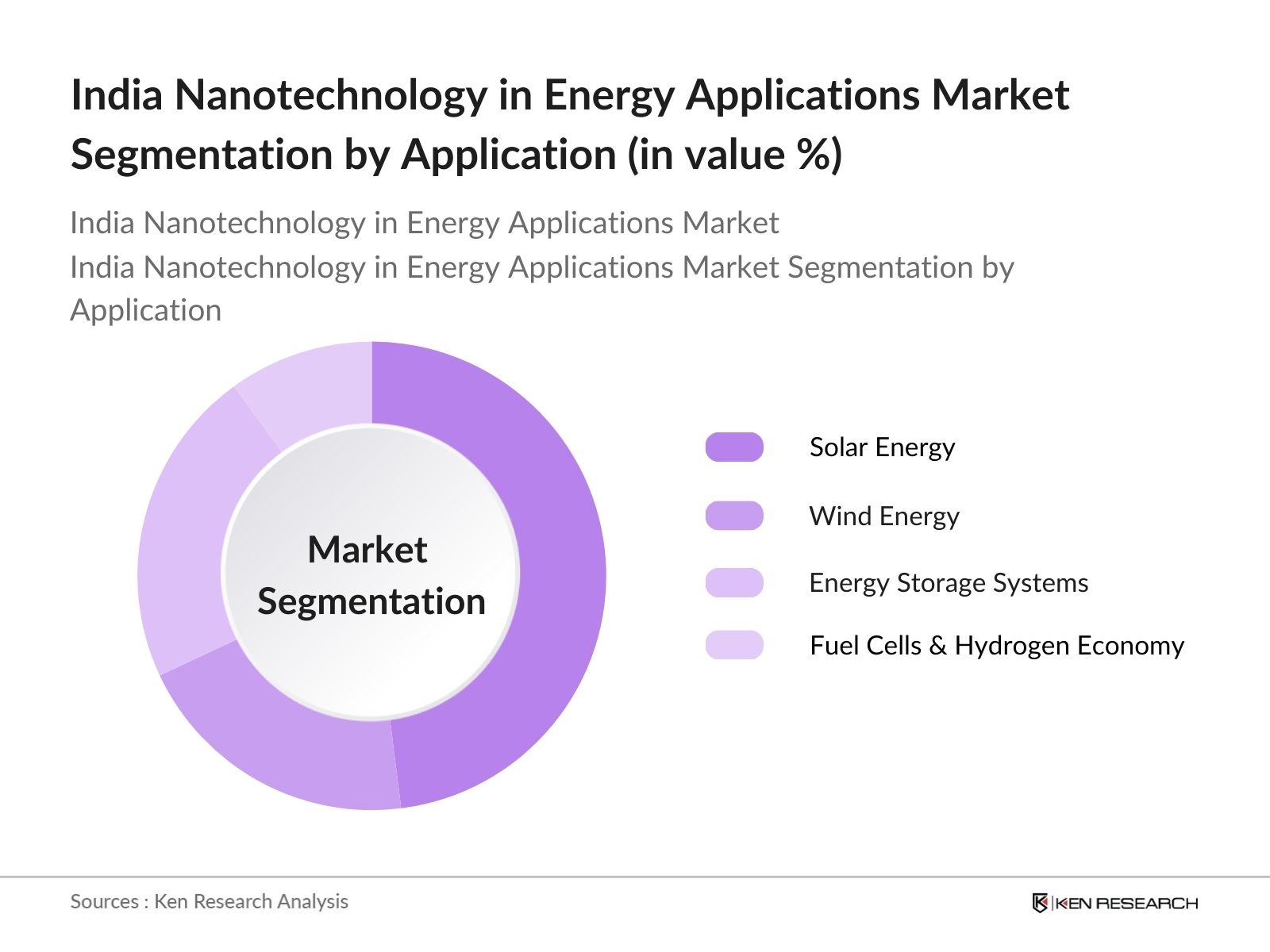
The India Nanotechnology in Energy Applications Market is dominated by several major players, including large domestic companies and international innovators. These companies focus on nanomaterial production, nano-enabled solar technology, and energy storage solutions. The competitive landscape is marked by companies with R&D investments in nanotechnology and renewable energy applications. The presence of companies such as Tata Power Solar and Reliance New Energy emphasizes India's potential in scaling nanotechnology-driven energy solutions. International companies like First Solar and Nanotech Energy bring technological advancements and market consolidation.
|
Company Name |
Established Year |
Headquarters |
R&D Investments (INR Cr) |
No. of Patents |
Product Portfolio |
Nanomaterial Use |
Collaborations |
|
Tata Power Solar |
1989 |
Mumbai, India |
- |
- |
- |
- |
- |
|
Reliance New Energy |
2000 |
Mumbai, India |
- |
- |
- |
- |
- |
|
First Solar |
1999 |
Arizona, USA |
- |
- |
- |
- |
- |
|
Luminous Power Technologies |
1988 |
New Delhi, India |
- |
- |
- |
- |
- |
|
Nanotech Energy |
2014 |
California, USA |
- |
- |
- |
- |
- |
Over the next five years, the India Nanotechnology in Energy Applications market is expected to show growth driven by increased investment in clean energy technologies, ongoing research in nanomaterials, and strong government backing for renewable energy projects. The expansion of nanotechnology applications in solar energy, energy storage systems, and fuel cells is set to play a crucial role in meeting India's growing energy needs. With a focus on sustainability and efficiency, the future of the market will be shaped by technological advancements and the need for innovative solutions to power a greener economy.
|
Product Type |
Nanomaterials Nano-Enabled Solar Cells Nano-Enhanced Batteries Nanostructured Catalysts |
|
Application |
Solar Energy Wind Energy Energy Storage Systems Fuel Cells and Hydrogen Economy |
|
Technology |
Nanostructured Energy Harvesting Quantum Dots Nano-Coatings |
|
End-User |
Energy and Utility Companies Nanotechnology R&D Institutions Battery Manufacturers Solar Power Installers |
|
Region |
North India South India West India East India |
1.1. Definition and Scope
1.2. Market Taxonomy
1.3. Market Growth Rate
1.4. Market Segmentation Overview
2.1. Historical Market Size
2.2. Year-On-Year Growth Analysis
2.3. Key Market Developments and Milestones
3.1. Growth Drivers
3.1.1. Increasing Energy Efficiency Demands
3.1.2. Renewable Energy Integration (Nanotechnology in Solar, Wind, and Energy Storage)
3.1.3. Government Initiatives for Clean Energy
3.1.4. Advancements in Energy Harvesting Technologies
3.2. Market Challenges
3.2.1. High Cost of Nanomaterials Production
3.2.2. Limited Commercial Viability in Certain Applications
3.2.3. Lack of Standardization in Nanotechnology Regulations
3.3. Opportunities
3.3.1. Research and Development in Quantum Dots for Solar Energy
3.3.2. Collaborations Between Academia and Industry
3.3.3. Expansion in Nanotechnology-Enabled Batteries for Electric Vehicles
3.4. Trends
3.4.1. Nanostructured Catalysts in Fuel Cells
3.4.2. Carbon Nanotubes for Enhanced Energy Storage
3.4.3. Role of Nanomaterials in Hydrogen Economy
3.5. Government Regulations
3.5.1. National Clean Energy Policies (Nanotechnology Impacts)
3.5.2. R&D Incentives for Nanotechnology in Energy
3.5.3. Export-Import Regulations for Nanomaterials
3.6. SWOT Analysis
3.7. Stake Ecosystem
3.7.1. Research Institutions
3.7.2. Government Bodies
3.7.3. Industry Collaborations
3.8. Porters Five Forces Analysis
3.8.1. Supplier Power (Nanomaterials Manufacturers)
3.8.2. Buyer Power (Energy Producers and Storage Companies)
3.8.3. Threat of Substitution (Conventional Energy Technologies)
3.8.4. Threat of New Entrants (Start-ups in Nanotechnology)
3.8.5. Industry Rivalry (Energy Companies and Nanotech Firms)
3.9. Competition Ecosystem
4.1. By Product Type (In Value %)
4.1.1. Nanomaterials (Nanoparticles, Nanotubes, Quantum Dots)
4.1.2. Nano-Enabled Solar Cells
4.1.3. Nano-Enhanced Batteries
4.1.4. Nanostructured Catalysts
4.2. By Application (In Value %)
4.2.1. Solar Energy
4.2.2. Wind Energy
4.2.3. Energy Storage Systems
4.2.4. Fuel Cells and Hydrogen Economy
4.3. By Technology (In Value %)
4.3.1. Nanostructured Energy Harvesting
4.3.2. Quantum Dots for Enhanced Photovoltaic Performance
4.3.3. Nano-Coatings for Energy Efficiency
4.4. By End-User (In Value %)
4.4.1. Energy and Utility Companies
4.4.2. Nanotechnology R&D Institutions
4.4.3. Battery Manufacturers
4.4.4. Solar Power Installers
4.5. By Region (In Value %)
4.5.1. North India
4.5.2. South India
4.5.3. West India
4.5.4. East India
5.1. Detailed Profiles of Major Companies
5.1.1. Tata Power Solar
5.1.2. Reliance New Energy Limited
5.1.3. Luminous Power Technologies
5.1.4. Nanotech Energy
5.1.5. Bharat Heavy Electricals Ltd.
5.1.6. SunEdison
5.1.7. Su-Kam Power Systems
5.1.8. Goldwind India
5.1.9. Adani Solar
5.1.10. First Solar
5.1.11. Vikram Solar
5.1.12. Thermax Limited
5.1.13. NanoTech Ceramics India
5.1.14. Exide Industries
5.1.15. Indian Oil Corporation (R&D in Nanotechnology for Energy)
5.2. Cross Comparison Parameters (No. of Patents, Product Portfolio, Collaborations, Nanomaterial Usage, Revenue from Nanotech, Innovation Index, Sustainability Initiatives, R&D Investments)
5.3. Market Share Analysis
5.4. Strategic Initiatives
5.5. Mergers and Acquisitions
5.6. Investment Analysis
5.7. Venture Capital Funding
5.8. Government Grants
5.9. Private Equity Investments
6.1. Nanomaterial Safety Standards
6.2. Government Incentives for Nanotech Adoption
6.3. Compliance and Certification Requirements
7.1. Future Market Size Projections
7.2. Key Factors Driving Future Market Growth
8.1. By Product Type (In Value %)
8.2. By Application (In Value %)
8.3. By Technology (In Value %)
8.4. By End-User (In Value %)
8.5. By Region (In Value %)
9.1. TAM/SAM/SOM Analysis
9.2. Customer Cohort Analysis
9.3. Strategic Marketing Initiatives
9.4. White Space Opportunity Analysis
The initial phase involves constructing an ecosystem map encompassing all major stakeholders within the India Nanotechnology in Energy Applications Market. Extensive desk research was conducted using a combination of secondary and proprietary databases to gather industry-level information and identify the key variables influencing the market dynamics.
Historical data was compiled and analyzed for market penetration, energy application segments, and revenue generation. Further, the efficiency of nanotechnology-enabled systems and their economic impact were evaluated to ensure the reliability of market estimates.
Through computer-assisted telephone interviews (CATI) with industry experts, market hypotheses were validated. Experts provided insights into operational and financial aspects of nanotechnology, which were crucial in refining the overall market outlook.
The final phase involved direct engagement with manufacturers and R&D institutions to acquire insights into product development, consumer preferences, and the impact of government policies. This ensured the comprehensive and validated nature of the research findings.
The India Nanotechnology in Energy Applications Market is valued at USD 690 million, driven by demand for energy-efficient solutions and renewable energy integration.
The India Nanotechnology in Energy Applications Market Challenges include the high cost of nanomaterial production, limited commercial viability, and regulatory hurdles that can slow down the adoption of advanced nanotechnologies.
The India Nanotechnology in Energy Applications Market Key players include Tata Power Solar, Reliance New Energy Limited, First Solar, Luminous Power Technologies, and Nanotech Energy.
The India Nanotechnology in Energy Applications Market is driven by increasing demand for energy-efficient solutions, government incentives for clean energy, and advancements in nanomaterial applications for energy storage and solar technology.

What makes us stand out is that our consultants follows Robust, Refine and Result (RRR) methodology. i.e. Robust for clear definitions, approaches and sanity checking, Refine for differentiating respondents facts and opinions and Result for presenting data with story

We have set a benchmark in the industry by offering our clients with syndicated and customized market research reports featuring coverage of entire market as well as meticulous research and analyst insights.

While we don't replace traditional research, we flip the method upside down. Our dual approach of Top Bottom & Bottom Top ensures quality deliverable by not just verifying company fundamentals but also looking at the sector and macroeconomic factors.

With one step in the future, our research team constantly tries to show you the bigger picture. We help with some of the tough questions you may encounter along the way: How is the industry positioned? Best marketing channel? KPI's of competitors? By aligning every element, we help maximize success.

Our report gives you instant access to the answers and sources that other companies might choose to hide. We elaborate each steps of research methodology we have used and showcase you the sample size to earn your trust.

If you need any support, we are here! We pride ourselves on universe strength, data quality, and quick, friendly, and professional service.