
India Protein Market Outlook to 2030
Region:Asia
Author(s):Sanjeev
Product Code:KROD1524
Region:Asia
Author(s):Sanjeev
Product Code:KROD1524
December 2024
97
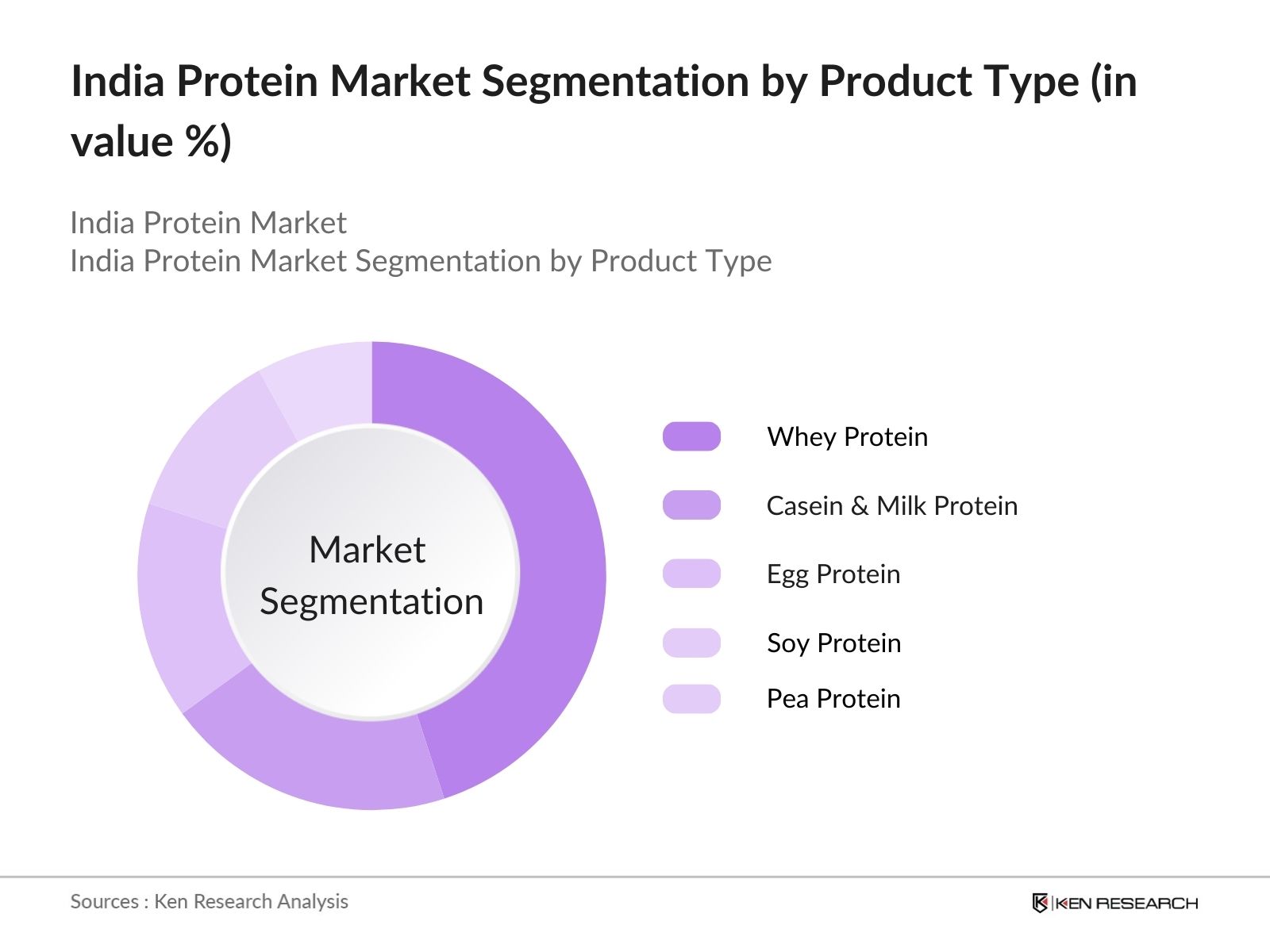
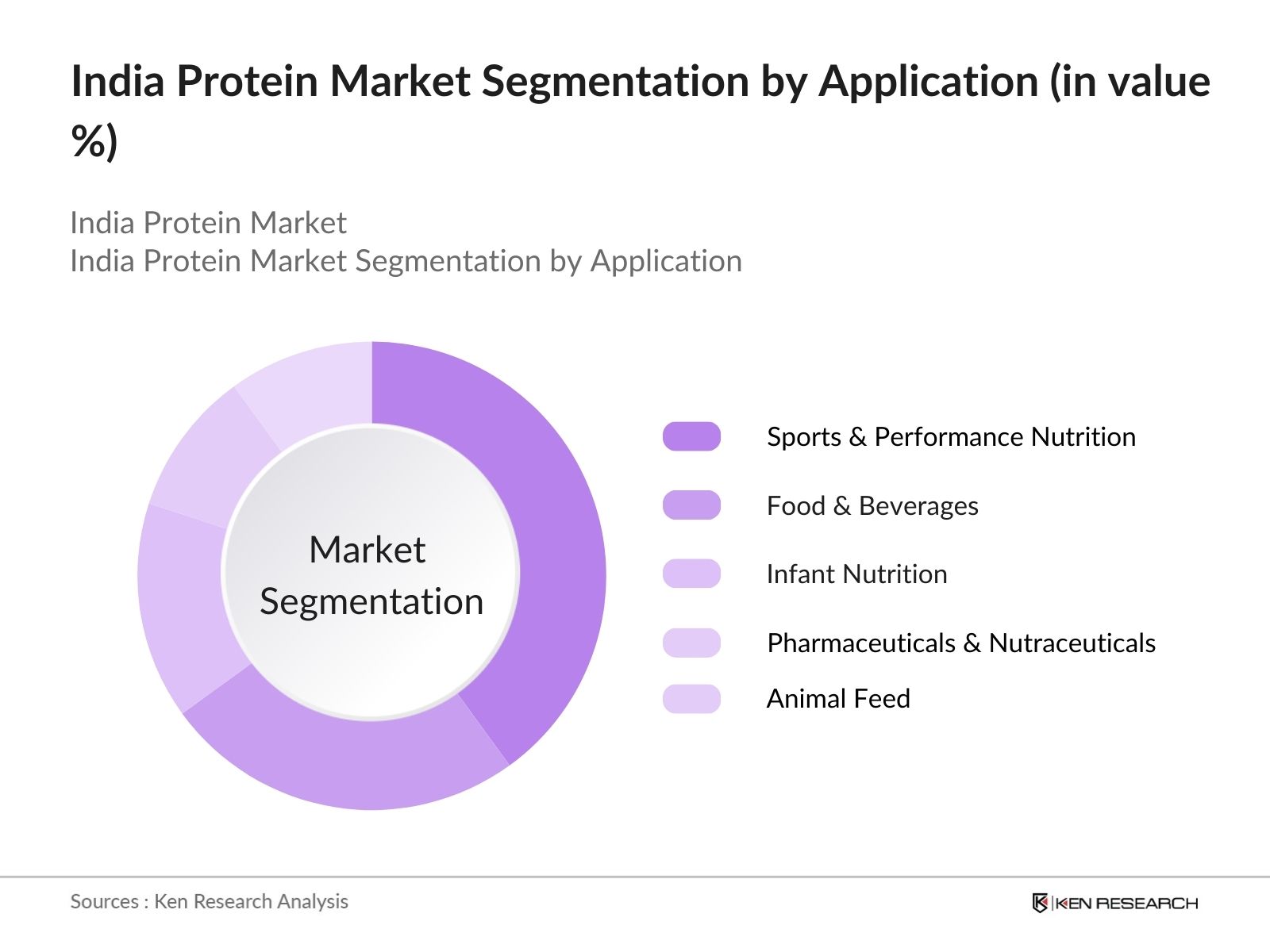
India Protein Market is segmented by product type and by application.
The India Protein Market is primarily dominated by established domestic and international companies. Key players differentiate themselves through product innovation, branding, and a strong focus on quality standards.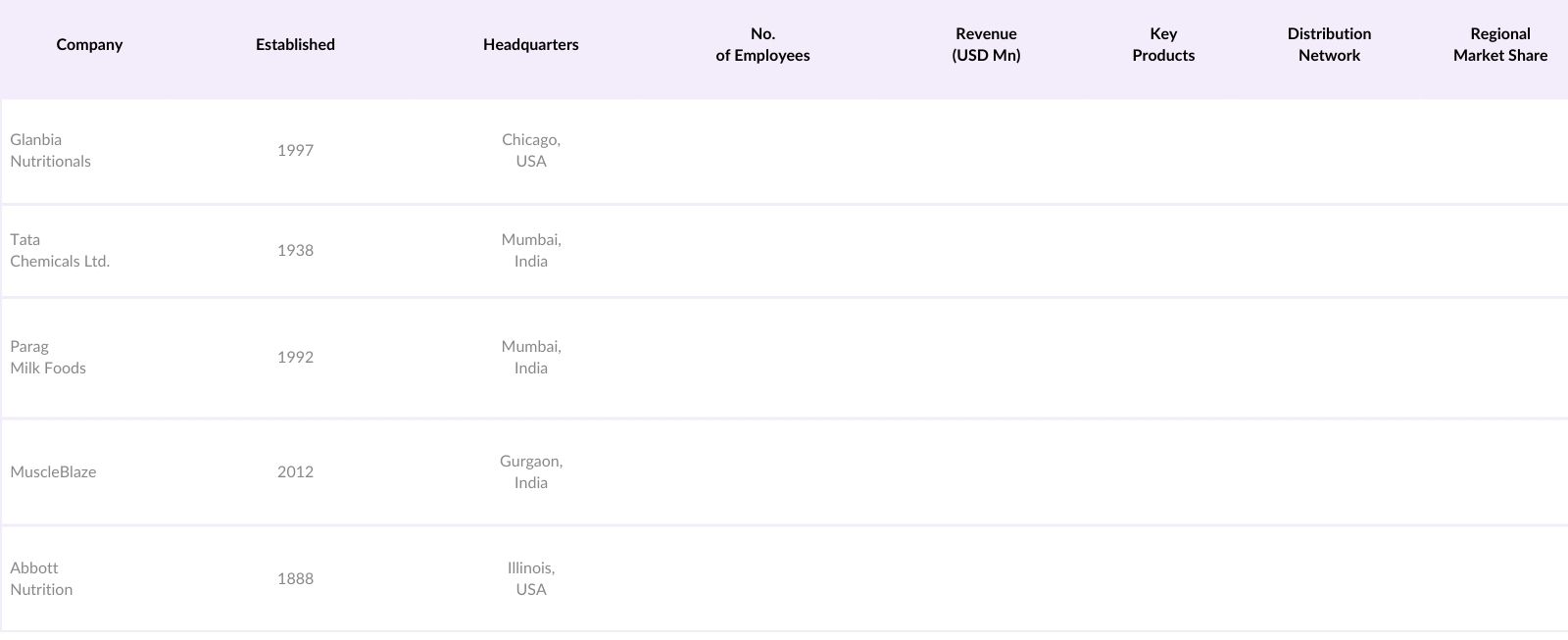
Over the next five years, the India Protein Market is expected to witness robust growth, driven by increased consumer awareness about health benefits, a growing trend toward fitness, and innovation in protein-based products tailored to Indian dietary needs. Additionally, strategic investments by both domestic and global players are likely to fuel product innovation, particularly within plant-based and clean-label proteins.
|
Whey Protein Casein & Milk Protein Egg Protein Soy Protein Pea Protein |
|
|
By Source |
Animal-Based Plant-Based Hybrid Proteins |
|
By Application |
Sports & Performance Nutrition Food & Beverages Infant Nutrition Pharmaceuticals & Nutraceuticals Animal Feed |
|
By Distribution Channel |
Online Retail Specialty Stores Supermarkets/Hypermarkets Direct Sales |
|
By Region |
North East West South |
1.1 Definition and Scope
1.2 Market Taxonomy
1.3 Key Market Developments and Milestones
1.4 Market Segmentation Overview
2.1 Historical Market Size
2.2 Year-on-Year Growth Analysis
2.3 Volume & Revenue Comparison (Domestic vs Imported)
3.1 Growth Drivers
3.1.1 Rising Health Awareness (Consumer Health Preferences)
3.1.2 Increased Demand in Sports Nutrition (Athletic and Fitness Trends)
3.1.3 Expanding Vegan Population (Dietary Shifts)
3.1.4 Government Support for Nutritional Programs (Policy Support)
3.2 Market Challenges
3.2.1 High Cost of Protein Supplements (Price Sensitivity)
3.2.2 Limited Protein Sources in Domestic Production (Supply Chain Constraints)
3.2.3 Consumer Misconceptions about Protein Supplements (Awareness Barriers)
3.3 Opportunities
3.3.1 Growing Demand for Plant-Based Proteins (Alternative Protein Sources)
3.3.2 Expansion of Retail and Online Channels (Distribution Innovations)
3.3.3 Advances in Protein Extraction Technology (Technological Innovation)
3.4 Trends
3.4.1 Rise of Ready-to-Consume Protein Products (Convenience Trends)
3.4.2 Increasing Focus on Protein Fortified Foods (Product Innovation)
3.4.3 Emphasis on Organic and Clean Label Protein Products (Consumer Transparency Demands)
3.5 Government Regulations
3.5.1 National Health Policies (Policy Implementation)
3.5.2 Protein Supplement Regulations (Product Compliance)
3.5.3 Import Tariffs on Protein Products (Trade Policies)
3.6 SWOT Analysis
3.7 Stakeholder Ecosystem
3.8 Porters Five Forces Analysis
3.9 Competition Ecosystem
4.1 By Product Type (In Value %)
4.1.1 Whey Protein
4.1.2 Casein & Milk Protein
4.1.3 Egg Protein
4.1.4 Soy Protein
4.1.5 Pea Protein
4.2 By Source (In Value %)
4.2.1 Animal-Based
4.2.2 Plant-Based
4.2.3 Hybrid Proteins
4.3 By Application (In Value %)
4.3.1 Sports & Performance Nutrition
4.3.2 Food & Beverages
4.3.3 Infant Nutrition
4.3.4 Pharmaceuticals & Nutraceuticals
4.3.5 Animal Feed
4.4 By Distribution Channel (In Value %)
4.4.1 Online Retail
4.4.2 Specialty Stores
4.4.3 Supermarkets/Hypermarkets
4.4.4 Direct Sales
4.5 By Region (In Value %)
4.5.1 North
4.5.2 South
4.5.3 East
4.5.4 West
4.5.5 Central India
5.1 Company Profiles (15 Key Competitors)
5.1.1 Glanbia Nutritionals
5.1.2 Parag Milk Foods
5.1.3 Tata Chemicals Ltd.
5.1.4 Amway India Enterprises Pvt. Ltd.
5.1.5 MuscleBlaze
5.1.6 Abbott Nutrition
5.1.7 Danone India
5.1.8 Nestle India Ltd.
5.1.9 Herbalife Nutrition Ltd.
5.1.10 Universal Nutrition
5.1.11 Proburst
5.1.12 Britannia Industries Ltd.
5.1.13 Advance Nutratech
5.1.14 Ascent Nutrition
5.1.15 Anihac Pharma
5.2 Cross-Comparison Parameters (Revenue, Market Share, Product Range, Distribution Channels, R&D Focus, Local vs. Imported Sourcing, Manufacturing Units, Brand Collaborations)
5.3 Market Share Analysis
5.4 Strategic Initiatives
5.5 Mergers & Acquisitions
5.6 Investment and Expansion Initiatives
5.7 Partnership Analysis
5.8 Key Distribution Networks
6.1 FSSAI Standards for Proteins
6.2 Import Tariffs and Duties
6.3 Labeling & Certification Requirements
6.4 Compliance Regulations on Health Claims
6.5 Quality Assurance and Inspection Processes
7.1 Future Market Size Projections
7.2 Key Drivers of Market Growth
7.3 Projected Market Developments & Trends
8.1 By Product Type (In Value %)
8.2 By Source (In Value %)
8.3 By Application (In Value %)
8.4 By Distribution Channel (In Value %)
8.5 By Region (In Value %)
9.1 Total Addressable Market (TAM) Analysis
9.2 Strategic Growth Recommendations
9.3 Investment Pockets
9.4 Brand Positioning & Marketing Strategies
Disclaimer Contact UsThis phase involves creating an ecosystem map of stakeholders within the India Protein Market, using desk research and industry databases to collect sector-specific data. The primary objective is to outline variables impacting market trends and growth.
At this stage, historical data is compiled and analyzed, focusing on market distribution and penetration. Analysis includes both domestic production and imported protein sources to provide accurate market projections.
Developed hypotheses are tested through consultations with industry experts from various companies, providing insights on operational challenges and validating market data through direct feedback.
This stage includes direct interactions with protein manufacturers to acquire granular insights on product categories, distribution channels, and evolving consumer trends, ensuring a validated, comprehensive market analysis.
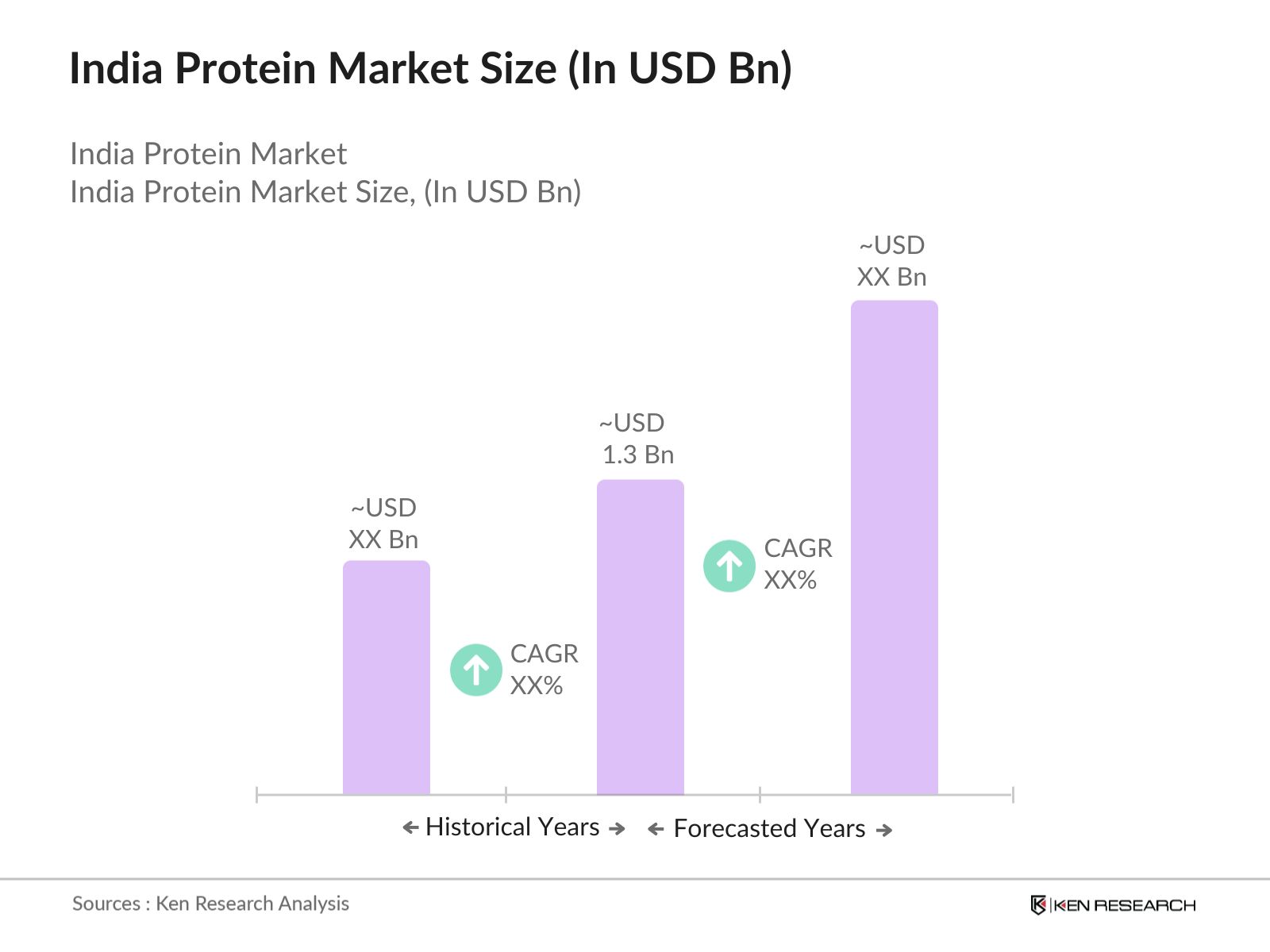
The India Protein Market is valued at USD 1.3 billion, driven by increased health consciousness, rising protein needs, and expanding e-commerce distribution.
Challenges in India Protein Market include high import tariffs, fluctuating raw material prices, and misinformation about protein sources among consumers, impacting overall market growth.
Key players in India Protein Market include Glanbia Nutritionals, Tata Chemicals Ltd., Parag Milk Foods, and MuscleBlaze, who lead the market due to their brand strength, product innovation, and wide distribution networks.
Major growth drivers in India Protein Market include a shift toward fitness, high demand for protein supplements, and increased consumption of protein-rich foods among urban youth.
Currently, whey protein holds the dominant market share in the product type segment due to its rapid absorption and high bioavailability, making it popular among fitness enthusiasts.

What makes us stand out is that our consultants follows Robust, Refine and Result (RRR) methodology. i.e. Robust for clear definitions, approaches and sanity checking, Refine for differentiating respondents facts and opinions and Result for presenting data with story

We have set a benchmark in the industry by offering our clients with syndicated and customized market research reports featuring coverage of entire market as well as meticulous research and analyst insights.

While we don't replace traditional research, we flip the method upside down. Our dual approach of Top Bottom & Bottom Top ensures quality deliverable by not just verifying company fundamentals but also looking at the sector and macroeconomic factors.

With one step in the future, our research team constantly tries to show you the bigger picture. We help with some of the tough questions you may encounter along the way: How is the industry positioned? Best marketing channel? KPI's of competitors? By aligning every element, we help maximize success.

Our report gives you instant access to the answers and sources that other companies might choose to hide. We elaborate each steps of research methodology we have used and showcase you the sample size to earn your trust.

If you need any support, we are here! We pride ourselves on universe strength, data quality, and quick, friendly, and professional service.