
India Radar Car Market Outlook to 2030
Region:India
Author(s):Mukul
Product Code:KROD7536
Region:India
Author(s):Mukul
Product Code:KROD7536
October 2024
98
Listen to the audio summary
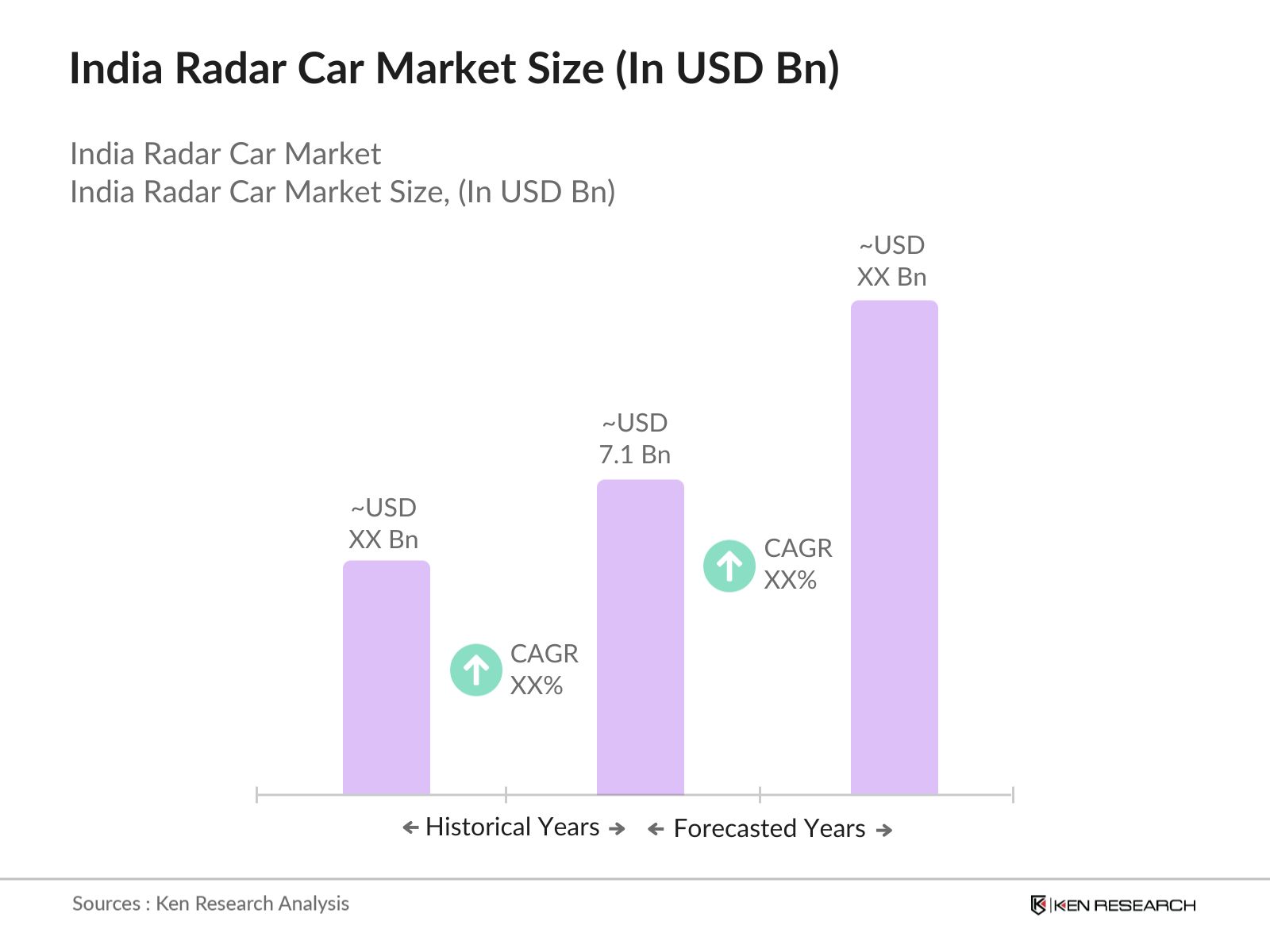
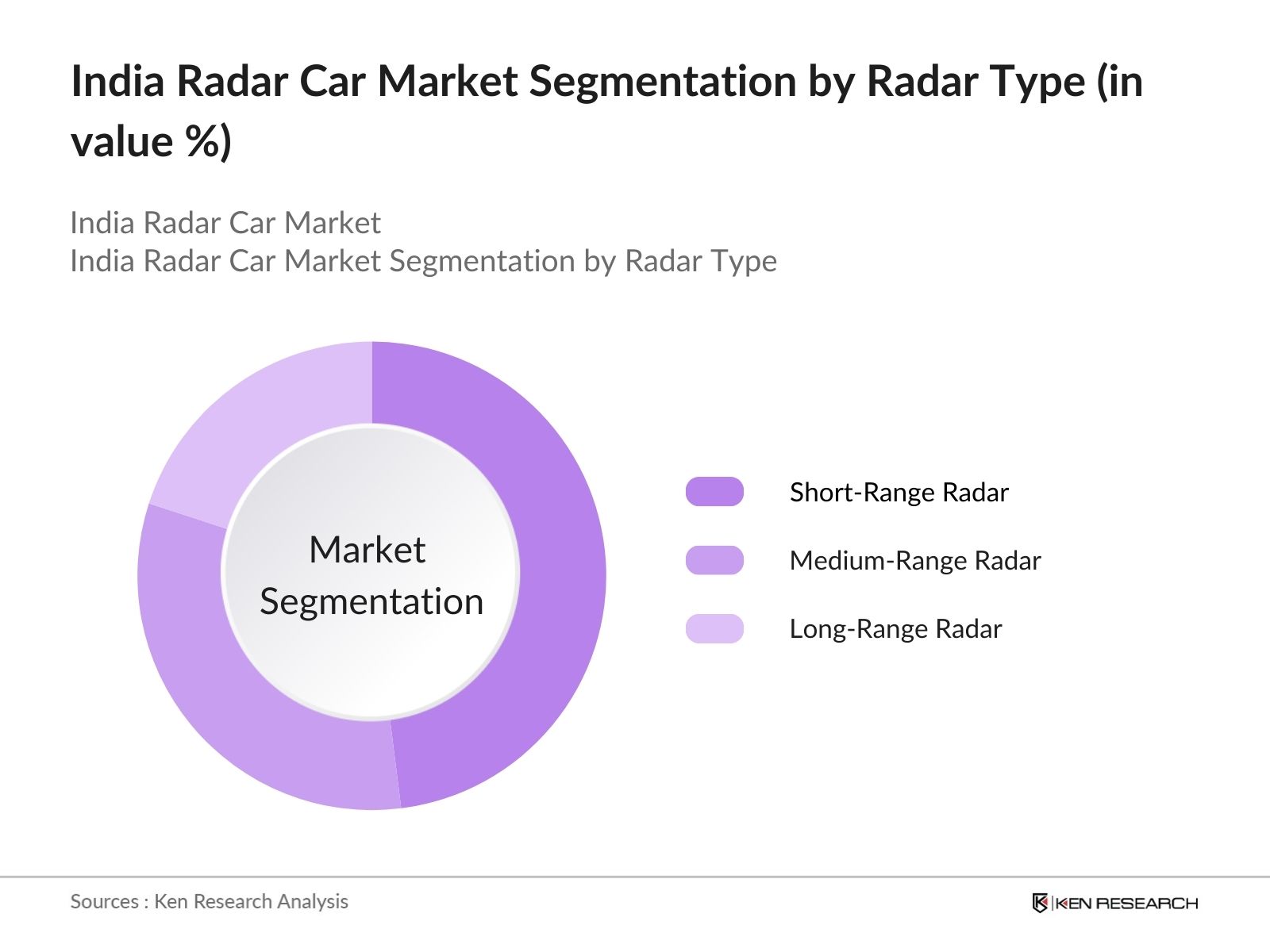
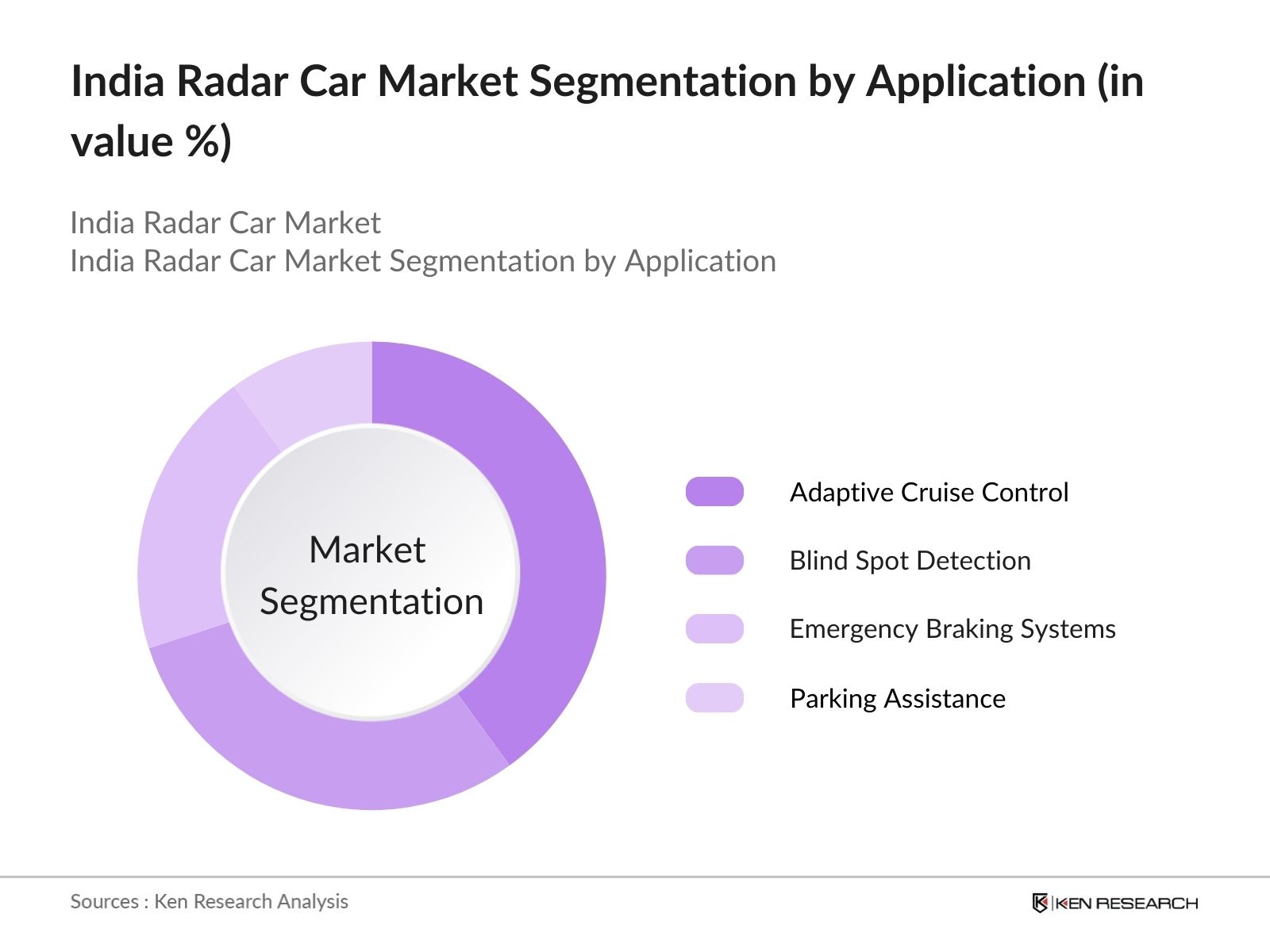
The India radar car market is dominated by several key players, both domestic and international, which include leading OEMs and radar technology providers. The consolidation of market share in the hands of a few major companies indicates a highly competitive landscape. Leading automotive suppliers like Bosch, Continental, and Denso are constantly innovating their radar systems to align with local market demands. This concentration also reflects partnerships between OEMs and technology providers, facilitating the integration of radar sensors in a broad range of vehicle models.
|
Company Name |
Year Established |
Headquarters |
Radar Specialization |
Global Reach |
R&D Investments |
Market Penetration |
Strategic Collaborations |
Product Innovation |
Revenue Growth (2023) |
|
Bosch India |
1926 |
Bengaluru, India |
|||||||
|
Continental AG |
1871 |
Hanover, Germany |
|||||||
|
Denso Corporation |
1949 |
Kariya, Japan |
|||||||
|
Valeo Radar Systems |
1923 |
Paris, France |
|||||||
|
ZF Friedrichshafen AG |
1915 |
Friedrichshafen, Germany |
Growth Drivers
Market Restraints
The India radar car market is poised for significant growth over the next five years, driven by advancements in radar technology and increasing vehicle safety awareness. Government regulations such as mandatory safety features in new vehicles, along with the expansion of ADAS in mainstream vehicle segments, are expected to fuel the market. Moreover, the development of smart city infrastructure will create additional demand for radar-enabled traffic management and public safety systems. The market will also witness an influx of innovation, with radar technology integrating more AI-based features for precision and reliability.
Market Opportunities
|
By Radar Type |
Short-Range Radar (SRR), Medium-Range Radar (MRR), Long-Range Radar (LRR) |
|
By Application |
Adaptive Cruise Control (ACC), Blind Spot Detection (BSD), Emergency Braking Systems (EBS), Parking Assistance |
|
By Frequency Band |
24 GHz, 77 GHz, 79 GHz |
|
By Vehicle Type |
Passenger Vehicles, Commercial Vehicles |
|
By Region |
North India, South India, West India, East India |
1.1. Definition and Scope
1.2. Market Taxonomy
1.3. Market Growth Rate
1.4. Market Segmentation Overview
2.1. Historical Market Size
2.2. Year-On-Year Growth Analysis
2.3. Key Market Developments and Milestones
3.1. Growth Drivers (Radar Technology Penetration, Safety Mandates, Urban Traffic Congestion)
3.1.1. Government Safety Regulations (e.g., Bharat NCAP)
3.1.2. Demand for Advanced Driver Assistance Systems (ADAS)
3.1.3. Increasing Consumer Focus on Vehicle Safety
3.1.4. Rising Urbanization and Traffic Management Needs
3.2. Market Challenges (Cost, Radar Frequency Spectrum Availability, Integration with Legacy Systems)
3.2.1. High Radar System Costs
3.2.2. Complexity of System Integration in Vehicles
3.2.3. Spectrum Allocation Issues for Radar Systems
3.2.4. Lack of Consumer Awareness in Emerging Markets
3.3. Opportunities (5G Integration, Autonomous Vehicles, Indias Smart Cities Mission)
3.3.1. Expansion of Autonomous and Semi-Autonomous Vehicle Technologies
3.3.2. Collaborations with Telecom Providers for 5G Networks
3.3.3. Government Smart City Initiatives Driving Radar Demand
3.3.4. Penetration in Commercial and Fleet Vehicles
3.4. Trends (Radar Module Miniaturization, Frequency Modulation, AI in Radar Data Processing)
3.4.1. Increased Radar Use in Passenger Vehicles
3.4.2. Radar-Assisted Traffic Management Solutions
3.4.3. Shift Toward Multi-function Radar Modules
3.5. Government Regulation (Safety Standards, Compliance, and Frequency Band Allocation)
3.5.1. Bharat NCAP and Other Vehicle Safety Regulations
3.5.2. Ministry of Road Transport and Highways (MoRTH) Policies
3.5.3. TRAI Spectrum Regulations for Automotive Radar Systems
3.6. SWOT Analysis
3.7. Stakeholder Ecosystem (OEMs, Radar Technology Providers, Regulators)
3.8. Porters Five Forces Analysis
3.9. Competitive Landscape
4.1. By Radar Type (In Value %)
4.1.1. Short-Range Radar (SRR)
4.1.2. Medium-Range Radar (MRR)
4.1.3. Long-Range Radar (LRR)
4.2. By Application (In Value %)
4.2.1. Adaptive Cruise Control (ACC)
4.2.2. Blind Spot Detection (BSD)
4.2.3. Emergency Braking Systems (EBS)
4.2.4. Parking Assistance
4.3. By Frequency Band (In Value %)
4.3.1. 24 GHz
4.3.2. 77 GHz
4.3.3. 79 GHz
4.4. By Vehicle Type (In Value %)
4.4.1. Passenger Vehicles
4.4.2. Commercial Vehicles
4.5. By Region (In Value %)
4.5.1. North India
4.5.2. South India
4.5.3. West India
4.5.4. East India
5.1. Detailed Profiles of Major Companies
5.1.1. Bosch India
5.1.2. Continental AG
5.1.3. Denso Corporation
5.1.4. Valeo Radar Systems
5.1.5. Autoliv India
5.1.6. ZF Friedrichshafen AG
5.1.7. Magna International
5.1.8. Hella India Lighting Ltd
5.1.9. Texas Instruments
5.1.10. NXP Semiconductors
5.1.11. Infineon Technologies AG
5.1.12. Aptiv India
5.1.13. Wipro Technologies
5.1.14. Tata Elxsi
5.1.15. Mahindra Electric
5.2. Cross Comparison Parameters (Revenue, Market Penetration, Radar Technology Specialization, Geographic Reach, Collaborations, R&D Capabilities, Product Portfolio, Radar Application Focus)
5.3. Market Share Analysis
5.4. Strategic Initiatives
5.5. Mergers and Acquisitions
5.6. Investment Analysis
5.7. Government Incentives and Schemes
6.1. Automotive Safety Regulations
6.2. Radar Frequency Spectrum Allocation
6.3. Certification and Compliance Process
7.1. Future Market Size Projections
7.2. Key Factors Driving Future Market Growth
8.1. By Radar Type (In Value %)
8.2. By Application (In Value %)
8.3. By Frequency Band (In Value %)
8.4. By Vehicle Type (In Value %)
8.5. By Region (In Value %)
9.1. TAM/SAM/SOM Analysis
9.2. White Space Opportunity Analysis
9.3. Strategic Partnerships
9.4. Product Innovation Recommendations
Disclaimer Contact UsThe initial phase focuses on mapping out key stakeholders in the India radar car market. This involves extensive secondary research using proprietary databases and government publications to identify critical market drivers, such as ADAS demand and regulatory requirements, shaping the markets evolution.
During this step, historical market data is compiled, including radar technology penetration and adoption by Indian OEMs. Market data is validated through financial reports and radar system deployment statistics in leading vehicle models, ensuring data accuracy.
Hypotheses are developed based on industry trends and validated through consultations with ADAS and radar technology experts. This process involves in-depth interviews to refine assumptions about market growth and product innovations, providing real-world perspectives.
In the final stage, input from key automotive players is integrated to develop comprehensive insights into market trends, product segmentation, and future outlooks. This ensures that the final report offers a validated and thorough analysis.
The India radar car market is valued at USD 7.1 billion, driven by the increasing demand for advanced driver assistance systems (ADAS) in both passenger and commercial vehicles, coupled with safety mandates from the Indian government.
Challenges include the high cost of radar systems, integration issues with existing automotive platforms, and regulatory concerns over frequency spectrum allocation, which is vital for radar system operations.
Key players include Bosch India, Continental AG, Denso Corporation, Valeo Radar Systems, and ZF Friedrichshafen AG, all of which have a strong market presence due to their innovation in radar technologies and strategic collaborations with Indian OEMs.
The market is driven by rising vehicle safety standards, government regulations like Bharat NCAP, increasing consumer awareness of road safety, and the expansion of ADAS technologies across affordable vehicle segments.

What makes us stand out is that our consultants follows Robust, Refine and Result (RRR) methodology. i.e. Robust for clear definitions, approaches and sanity checking, Refine for differentiating respondents facts and opinions and Result for presenting data with story

We have set a benchmark in the industry by offering our clients with syndicated and customized market research reports featuring coverage of entire market as well as meticulous research and analyst insights.

While we don't replace traditional research, we flip the method upside down. Our dual approach of Top Bottom & Bottom Top ensures quality deliverable by not just verifying company fundamentals but also looking at the sector and macroeconomic factors.

With one step in the future, our research team constantly tries to show you the bigger picture. We help with some of the tough questions you may encounter along the way: How is the industry positioned? Best marketing channel? KPI's of competitors? By aligning every element, we help maximize success.

Our report gives you instant access to the answers and sources that other companies might choose to hide. We elaborate each steps of research methodology we have used and showcase you the sample size to earn your trust.

If you need any support, we are here! We pride ourselves on universe strength, data quality, and quick, friendly, and professional service.