
India Smart Glass Market Outlook to 2030
Region:India
Author(s):Shambhavi Awasthi
Product Code:KROD11336
Region:India
Author(s):Shambhavi Awasthi
Product Code:KROD11336
January 2025
84
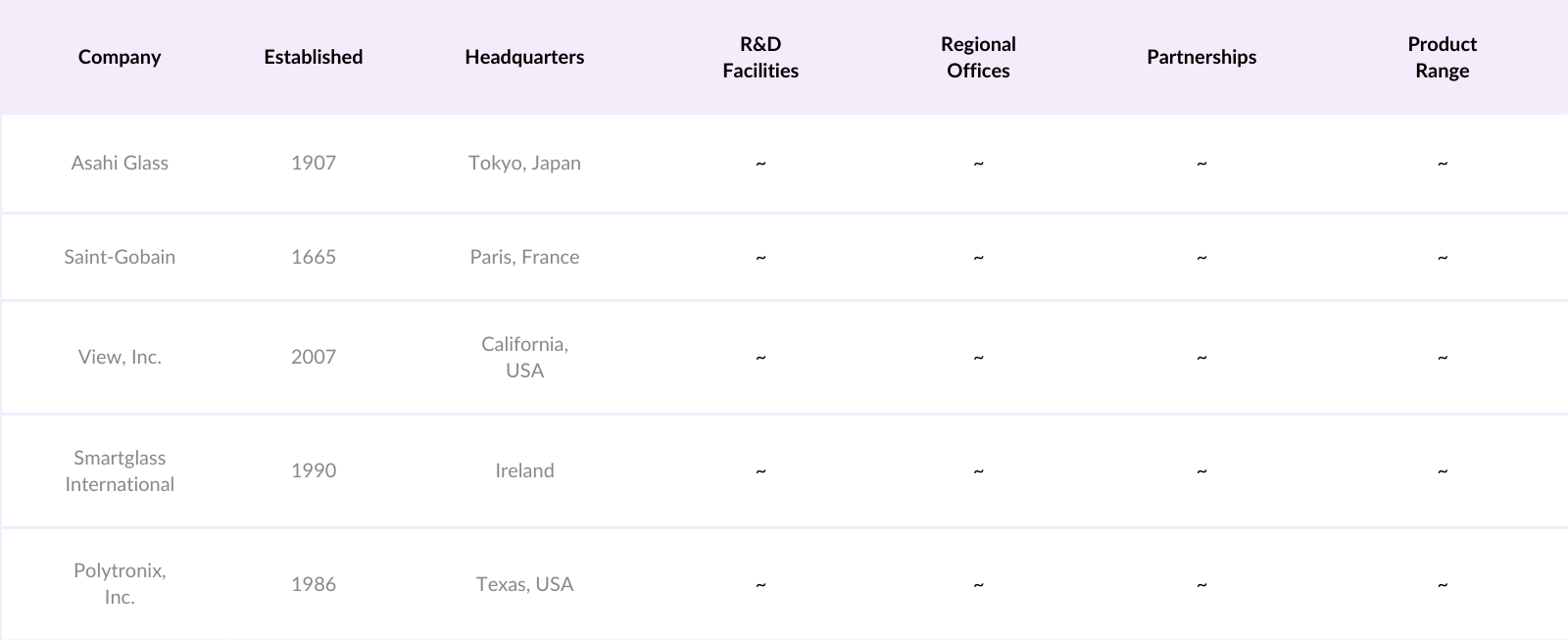
The India Smart Glass market is dominated by a few major players, including both local and global companies that bring advanced technology to the market. These key players leverage their extensive R&D capabilities and established distribution channels to maintain a competitive edge.
Growth Drivers
Market Challenges
Over the next five years, the India Smart Glass market is expected to witness substantial growth due to increased investments in sustainable infrastructure, technological advancements, and the rising demand for energy-efficient solutions across sectors. Growing awareness of the benefits of smart glass in reducing energy consumption and enhancing user comfort will further propel the market. The governments focus on sustainable urbanization and the expanding applications in the automotive sector will likely contribute to long-term market expansion.
Market Opportunities
|
Segment |
Sub-Segment |
|---|---|
|
Product Type |
Electrochromic Glass |
|
Thermochromic Glass |
|
|
Photochromic Glass |
|
|
Liquid Crystal Glass |
|
|
Polymer Dispersed Liquid Crystal (PDLC) Glass |
|
|
Application |
Residential Buildings |
|
Commercial Buildings |
|
|
Automotive |
|
|
Aerospace |
|
|
Healthcare |
|
|
Technology |
Manual Switchable |
|
Automated Smart Glass |
|
|
End-User |
Retail |
|
Hospitality |
|
|
Education |
|
|
Region |
North India |
|
South India |
|
|
East India |
|
|
West India |
1.1. Definition and Scope
1.2. Market Taxonomy
1.3. Market Growth Rate
1.4. Market Segmentation Overview
2.1. Historical Market Size
2.2. Year-On-Year Growth Analysis
2.3. Key Market Developments and Milestones
3.1. Growth Drivers
3.1.1. Rising Demand in Construction Sector
3.1.2. Increasing Focus on Energy Efficiency
3.1.3. Technological Advancements in Glass Manufacturing
3.1.4. Urbanization and Smart City Initiatives
3.2. Market Challenges
3.2.1. High Cost of Smart Glass Solutions
3.2.2. Limited Awareness Among Consumers
3.2.3. Competition from Traditional Glass Products
3.3. Opportunities
3.3.1. Growth in Renewable Energy Sector
3.3.2. Expansion in Automotive Industry
3.3.3. Adoption in Healthcare Facilities
3.4. Trends
3.4.1. Integration of IoT with Smart Glass
3.4.2. Increasing Adoption in Commercial Spaces
3.4.3. Development of Self-Cleaning and Anti-Fog Glass
3.5. Government Regulation
3.5.1. Building Energy Efficiency Standards
3.5.2. Incentives for Sustainable Building Practices
3.5.3. Policy Framework for Smart City Development
3.6. SWOT Analysis
3.7. Stake Ecosystem
3.8. Porters Five Forces
3.9. Competition Ecosystem
4.1. By Product Type (In Value %)
4.1.1. Electrochromic Glass
4.1.2. Thermochromic Glass
4.1.3. Photochromic Glass
4.1.4. Liquid Crystal Glass
4.1.5. Polymer Dispersed Liquid Crystal (PDLC) Glass
4.2. By Application (In Value %)
4.2.1. Residential Buildings
4.2.2. Commercial Buildings
4.2.3. Automotive
4.2.4. Aerospace
4.2.5. Healthcare
4.3. By Technology (In Value %)
4.3.1. Manual Switchable
4.3.2. Automated Smart Glass
4.4. By End-User (In Value %)
4.4.1. Retail
4.4.2. Hospitality
4.4.3. Education
4.5. By Region (In Value %)
4.5.1. North India
4.5.2. South India
4.5.3. East India
4.5.4. West India
5.1. Detailed Profiles of Major Companies
5.1.1. Saint-Gobain Glass India
5.1.2. Asahi Glass Co., Ltd.
5.1.3. Guardian Industries Corp.
5.1.4. Econtrol Glass
5.1.5. Smart Glass International
5.1.6. View, Inc.
5.1.7. Polytronix, Inc.
5.1.8. Glass Apps
5.1.9. Scienstry
5.1.10. Innovative Glass Corp.
5.1.11. GlassX
5.1.12. SPD Smart Glass
5.1.13. LCG Smart Glass
5.1.14. SageGlass
5.1.15. Research Frontiers Inc.
5.2. Cross Comparison Parameters (No. of Employees, Headquarters, Inception Year, Revenue, Product Offerings, Key Innovations, Geographic Presence, Market Share)
5.3. Market Share Analysis
5.4. Strategic Initiatives
5.5. Mergers and Acquisitions
5.6. Investment Analysis
5.7. Venture Capital Funding
5.8. Government Grants
5.9. Private Equity Investments
6.1. Environmental Standards
6.2. Compliance Requirements
6.3. Certification Processes
7.1. Future Market Size Projections
7.2. Key Factors Driving Future Market Growth
8.1. By Product Type (In Value %)
8.2. By Application (In Value %)
8.3. By Technology (In Value %)
8.4. By End-User (In Value %)
8.5. By Region (In Value %)
9.1. TAM/SAM/SOM Analysis
9.2. Customer Cohort Analysis
9.3. Marketing Initiatives
9.4. White Space Opportunity Analysis
Disclaimer Contact UsIn the initial stage, the research team developed a comprehensive map of the India Smart Glass market, identifying major stakeholders and influential factors. Data was gathered from reputable industry databases to determine key variables affecting the market.
Historical data on market size and penetration was analyzed to understand revenue generation dynamics and market segmentation. Additionally, data on service quality and product features were reviewed to refine revenue estimates.
A series of expert interviews were conducted with key market players and industry consultants, yielding insights on competitive positioning and market potential. This phase validated initial hypotheses regarding growth drivers and barriers.
The final analysis combined data from industry reports and proprietary research, leading to a comprehensive view of market trends, competitive dynamics, and growth projections for the India Smart Glass market.
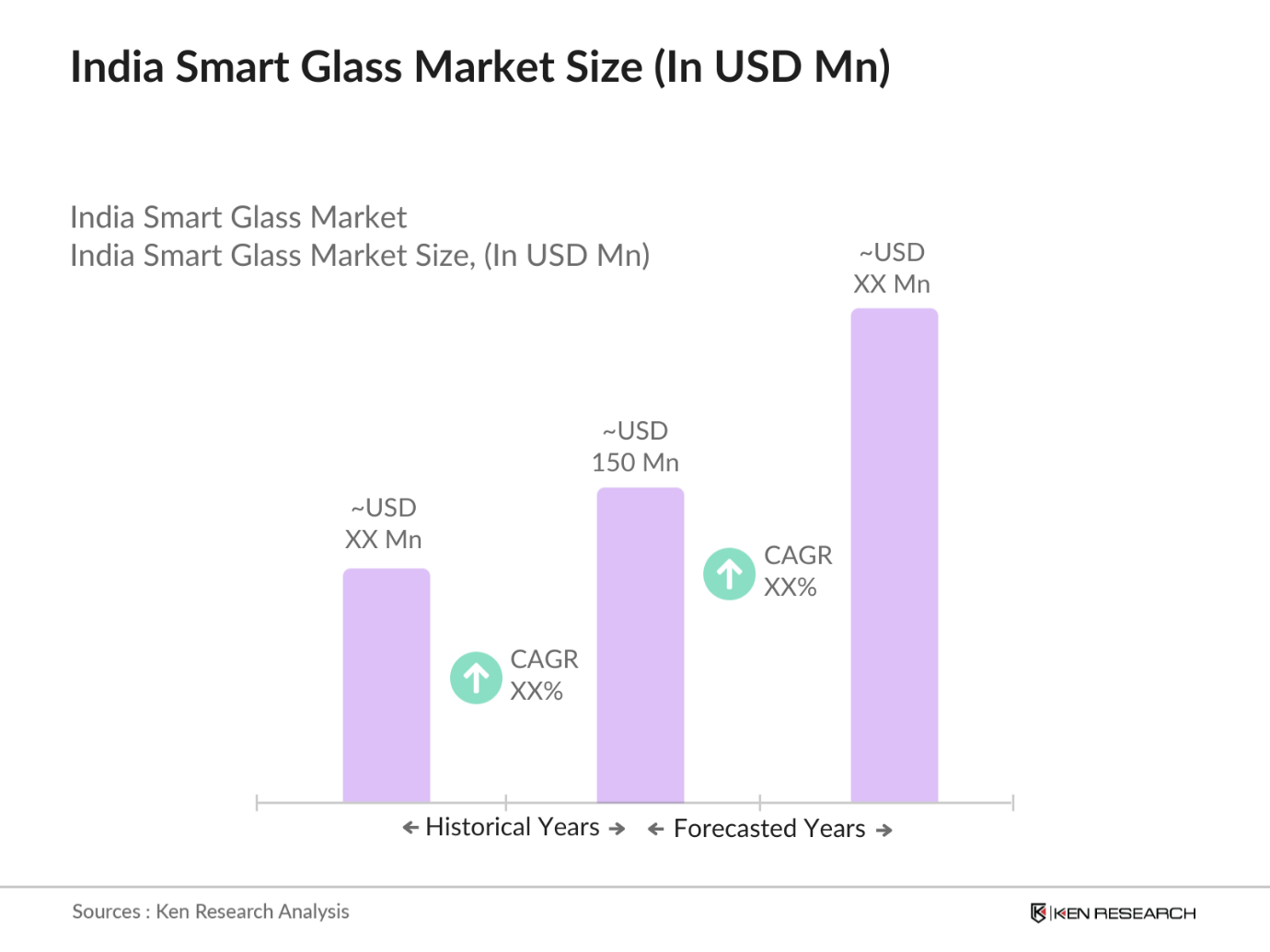
The India Smart Glass market is valued at USD 150 million, driven by increasing demand for energy-efficient building solutions and rising automotive applications.
The market faces challenges from high production costs, limited awareness among consumers, and the need for significant technological advancement in smart glass applications.
Key players include Asahi Glass, Saint-Gobain, View, Inc., and Smartglass International, who dominate due to their extensive product portfolios, global reach, and focus on R&D.
Growth is propelled by increased construction of energy-efficient buildings, technological advancements, and government initiatives promoting sustainable infrastructure.
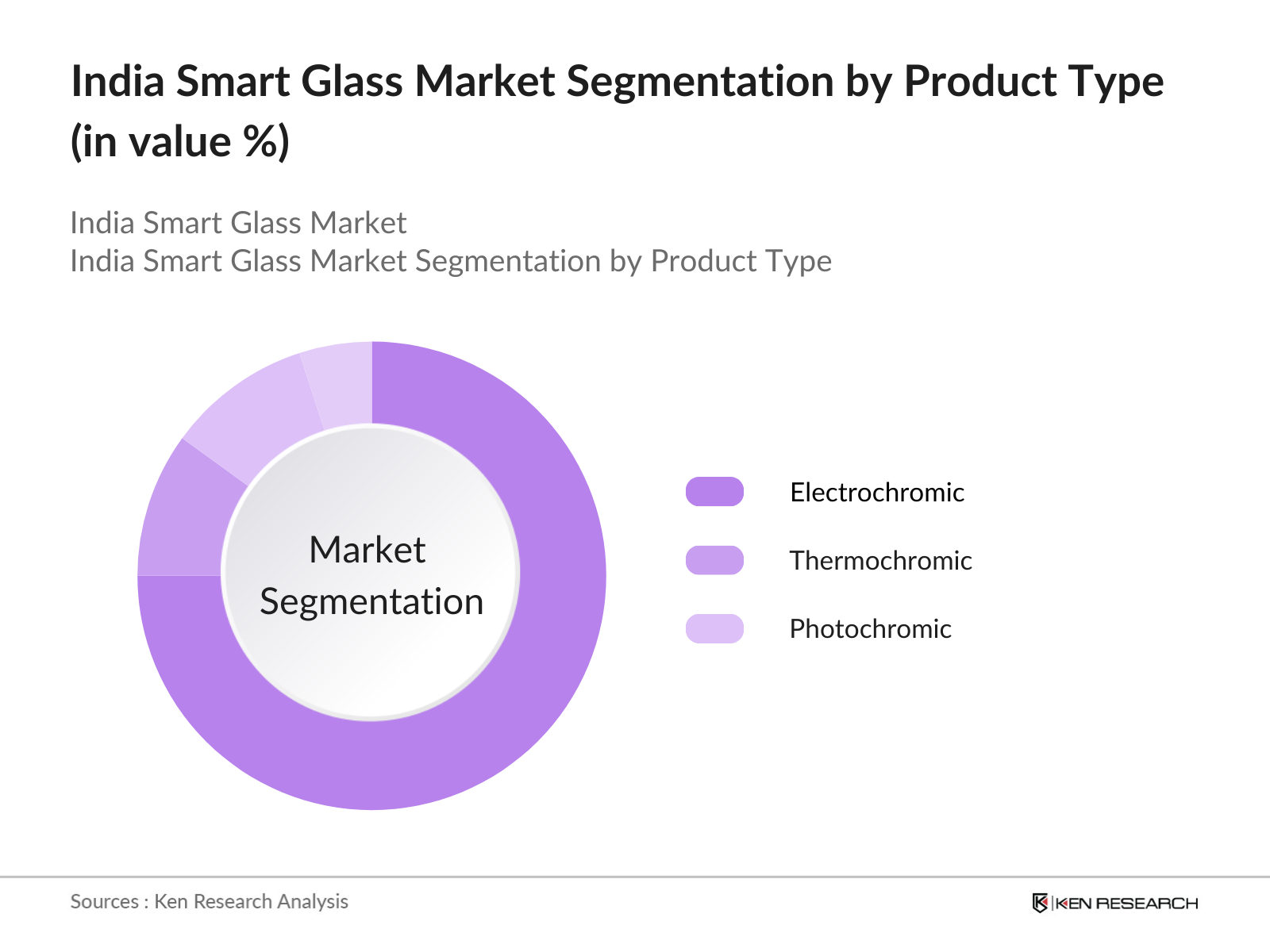
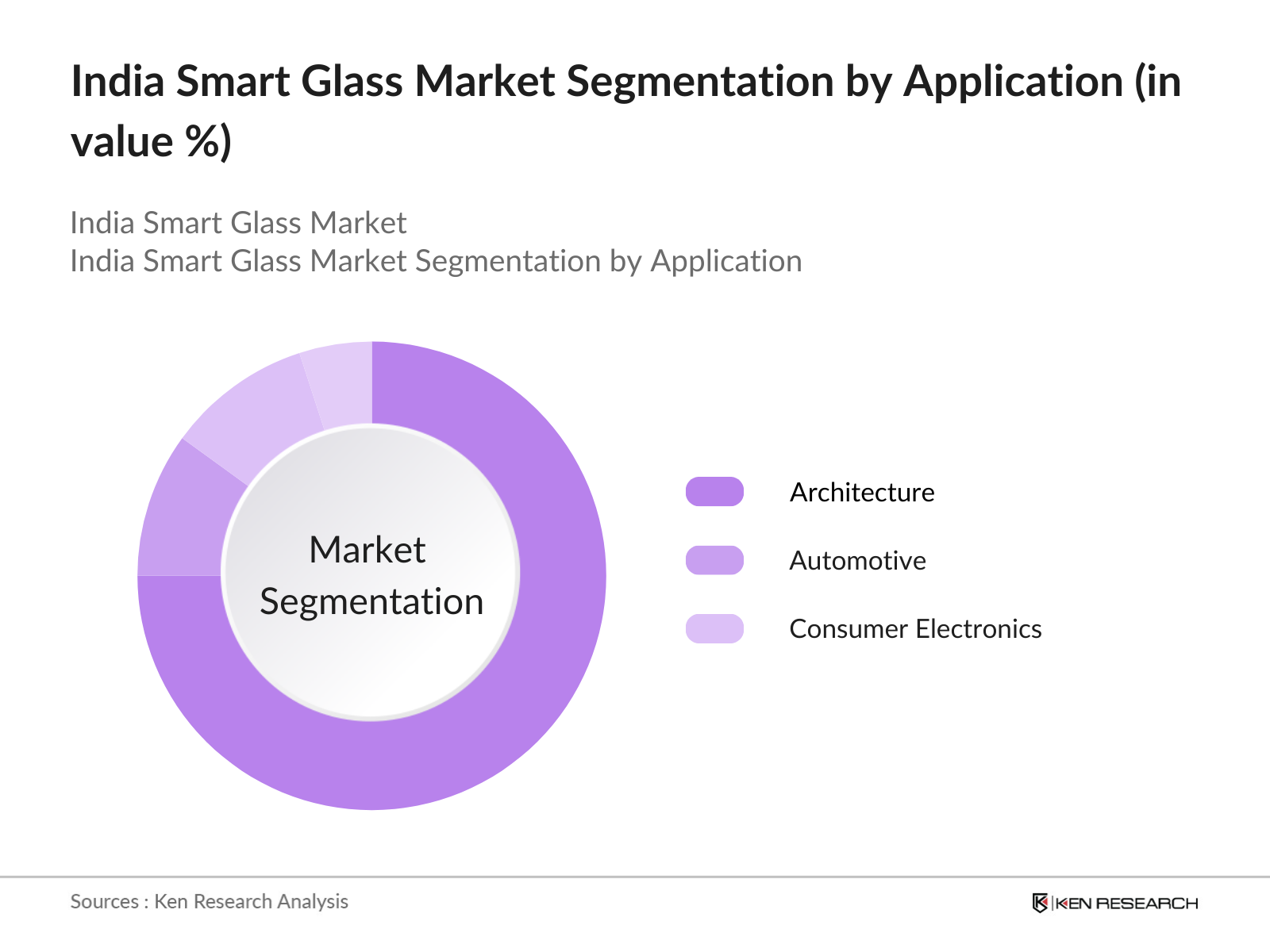
Smart glass is widely used in architectural projects, automotive applications, and consumer electronics, with architecture being the leading sector due to energy-saving benefits.

What makes us stand out is that our consultants follows Robust, Refine and Result (RRR) methodology. i.e. Robust for clear definitions, approaches and sanity checking, Refine for differentiating respondents facts and opinions and Result for presenting data with story

We have set a benchmark in the industry by offering our clients with syndicated and customized market research reports featuring coverage of entire market as well as meticulous research and analyst insights.

While we don't replace traditional research, we flip the method upside down. Our dual approach of Top Bottom & Bottom Top ensures quality deliverable by not just verifying company fundamentals but also looking at the sector and macroeconomic factors.

With one step in the future, our research team constantly tries to show you the bigger picture. We help with some of the tough questions you may encounter along the way: How is the industry positioned? Best marketing channel? KPI's of competitors? By aligning every element, we help maximize success.

Our report gives you instant access to the answers and sources that other companies might choose to hide. We elaborate each steps of research methodology we have used and showcase you the sample size to earn your trust.

If you need any support, we are here! We pride ourselves on universe strength, data quality, and quick, friendly, and professional service.