
Indonesia Electric Shaver Market Outlook to 2030
Region:Indonesia
Author(s):Sanjeev
Product Code:KROD10084
Region:Indonesia
Author(s):Sanjeev
Product Code:KROD10084
December 2024
85
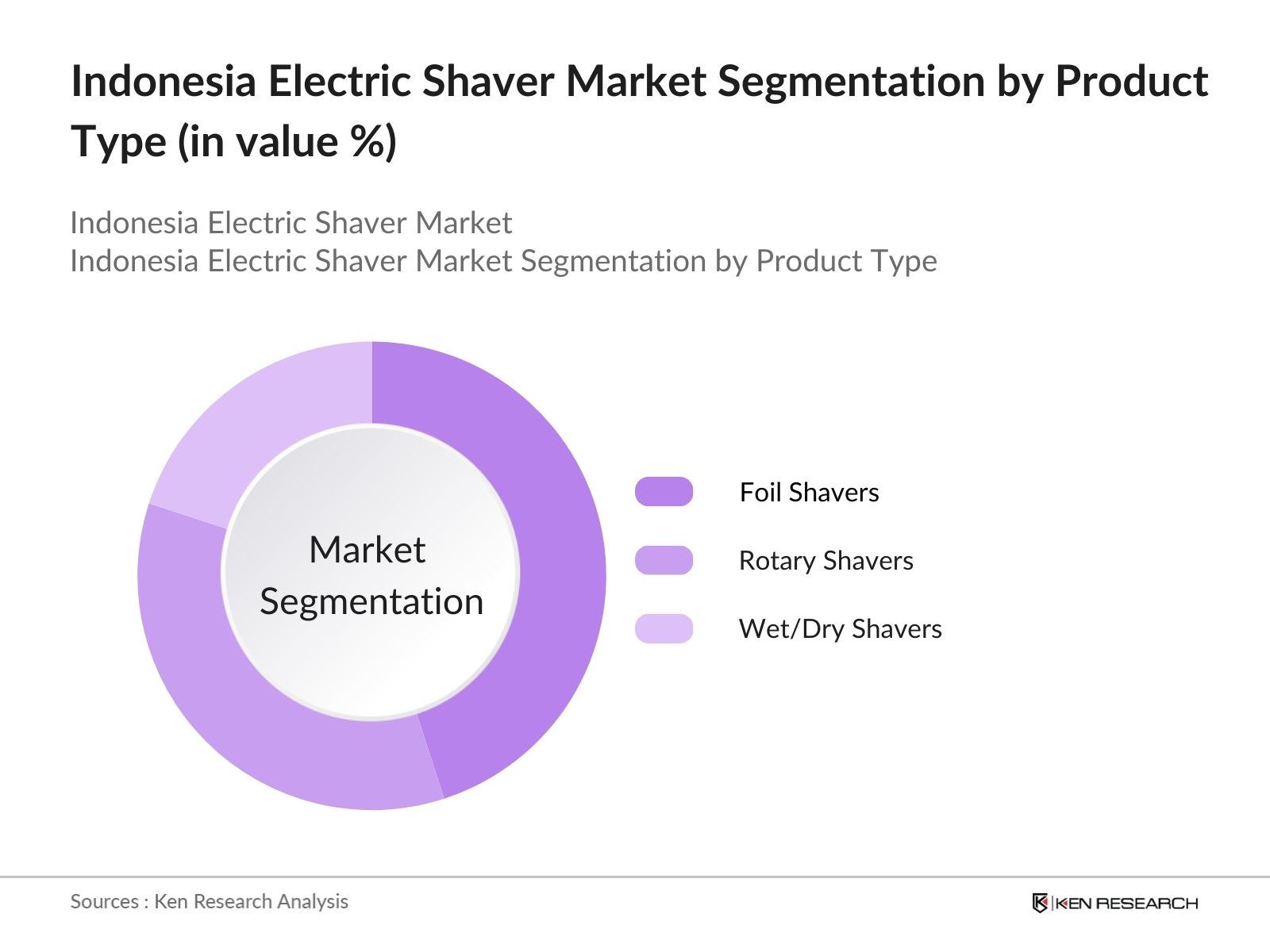
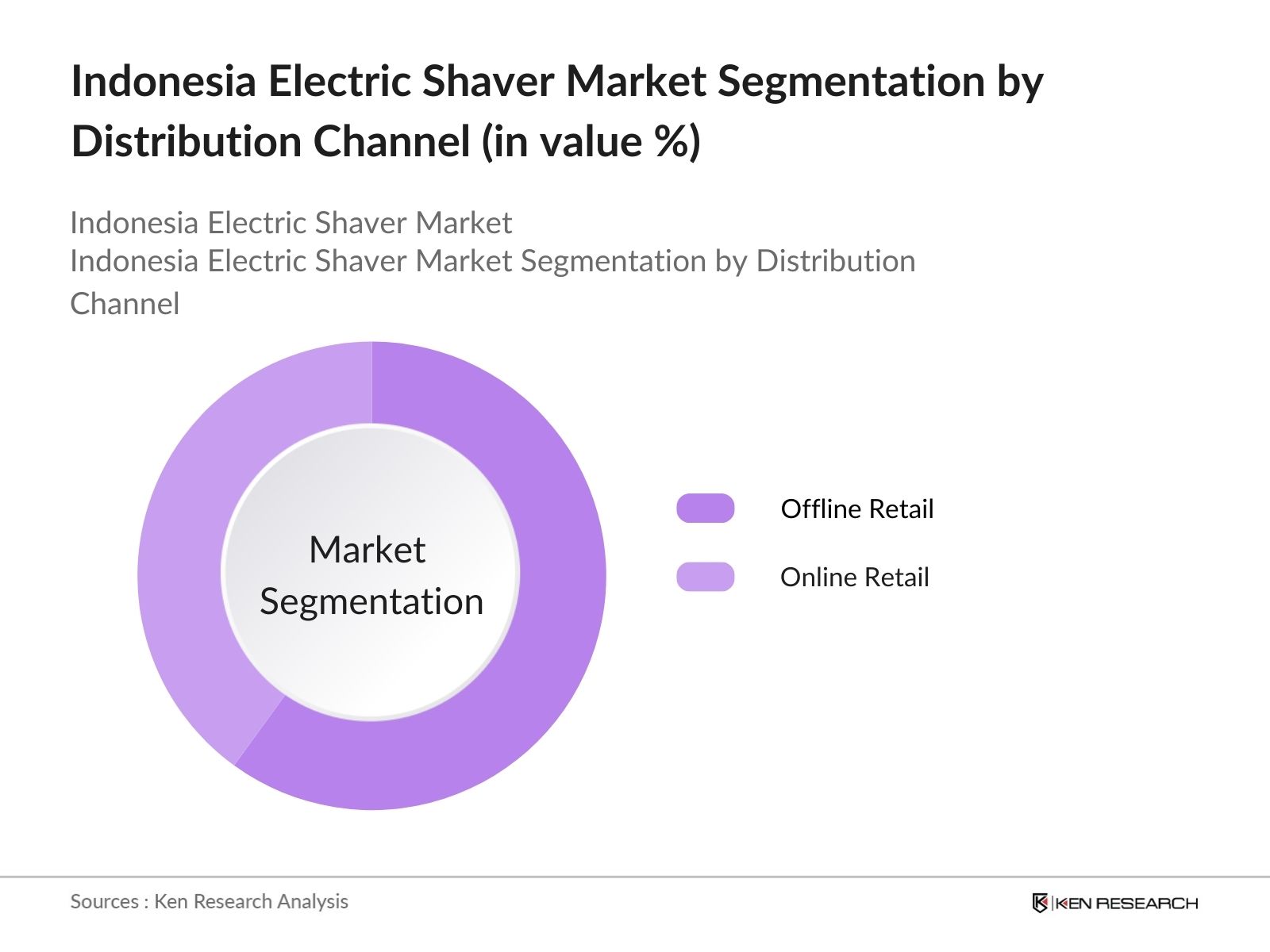
The Indonesia electric shaver market is segmented by product type and by distribution channel.
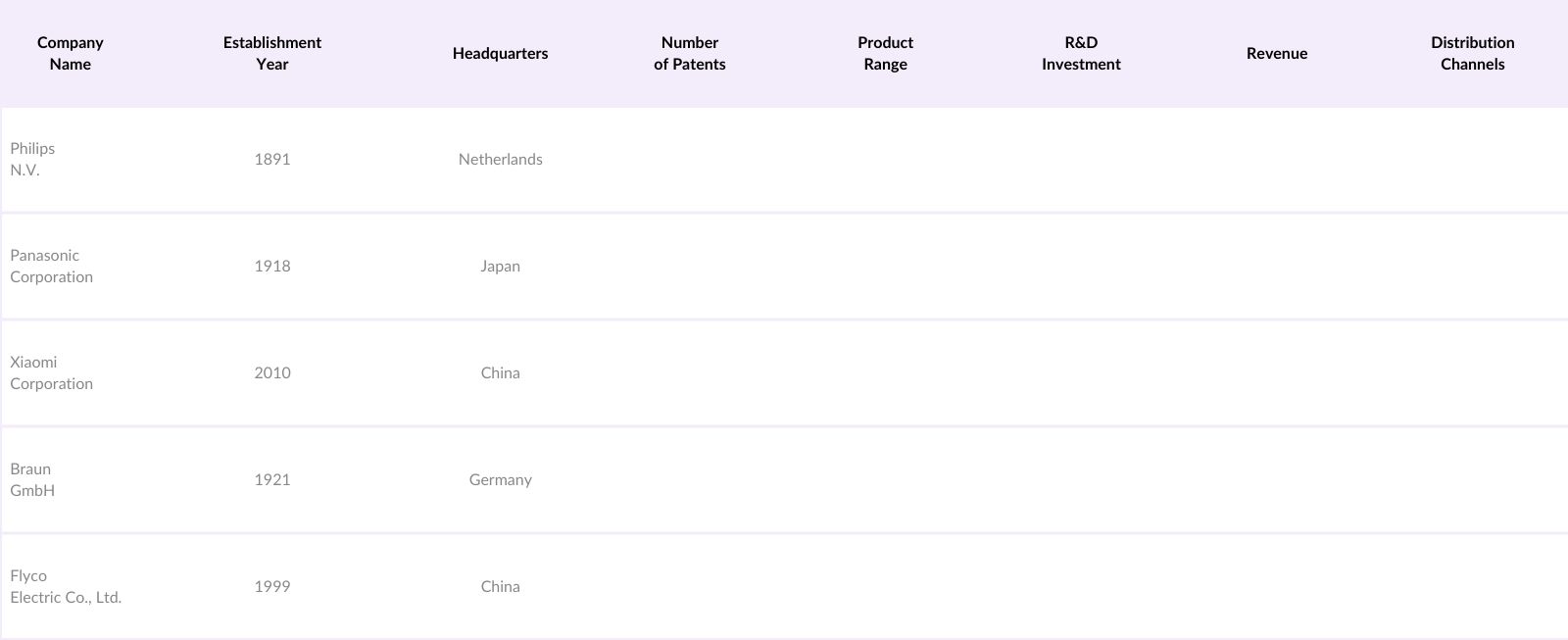
The Indonesia electric shaver market is dominated by several key players, both local and international, with a focus on product innovation, brand recognition, and distribution strategies. Global brands like Philips and Panasonic lead due to their extensive product lines and strong consumer trust, while local manufacturers are gaining market share by offering affordable alternatives with competitive features.
The market is characterized by a high level of competition among top players, and brands are increasingly focusing on technological innovations, such as smart shavers with IoT features, to capture the tech-savvy segment of the population. There is also a growing trend toward sustainability, with companies introducing eco-friendly packaging and energy-efficient products to attract environmentally-conscious consumers.
 Indonesia Electric Shaver Industry Analysis
Over the next five years, the Indonesia electric shaver market is expected to experience steady growth, driven by the increasing adoption of electric grooming products among men and women. The shift towards convenience and hygiene, coupled with the rise in disposable income, will continue to fuel demand for electric shavers. Technological advancements, such as the integration of IoT in grooming devices, and the growing focus on product sustainability are likely to open new avenues for market players. Companies that can innovate in terms of both technology and eco-friendliness will be well-positioned to capture market share.
|
Foil Shavers Rotary Shavers Wet/Dry Shavers |
|
|
By Technology |
Cordless Electric Shavers Plug-in Electric Shavers |
|
By Application |
Male Grooming Female Grooming Unisex Usage |
|
By Distribution Channel |
Offline Retail (Supermarkets, Specialty Stores) Online Retail (E-commerce Platforms Brand Websites) |
|
By Region |
North East West South |
1.1. Definition and Scope
1.2. Market Taxonomy
1.3. Market Growth Rate
1.4. Market Segmentation Overview
2.1. Historical Market Size
2.2. Year-On-Year Growth Analysis
2.3. Key Market Developments and Milestones
3.1. Growth Drivers
3.1.1. Rising Grooming Awareness (Consumer Preferences, Grooming Trends)
3.1.2. Increasing Disposable Income (Macroeconomic Indicators)
3.1.3. Influence of Fashion and social media (Digital Penetration, Endorsements)
3.1.4. Product Innovation (Technology, Blade Advancements)
3.2. Market Challenges
3.2.1. High Product Cost (Cost of Entry, Pricing Pressures)
3.2.2. Intense Competition (Brand Competition, Market Saturation)
3.2.3. Consumer Preference for Manual Razors (Traditional Preferences, Cost Efficiency)
3.3. Opportunities
3.3.1. Growth in E-Commerce (Digital Sales Channels, Customer Reach)
3.3.2. Customization and Personalization (Consumer-Centric Products)
3.3.3. Expansion into Emerging Markets (Regional Demand, Urbanization)
3.4. Trends
3.4.1. Adoption of Smart Shavers (IoT Integration, Digital Control)
3.4.2. Wireless and Rechargeable Devices (Convenience, Battery Efficiency)
3.4.3. Increasing Focus on Sustainability (Eco-friendly Products, Recyclable Packaging)
3.5. Government Regulation
3.5.1. Import and Export Tariffs (Trade Regulations, Market Access)
3.5.2. Product Safety Standards (Quality Control, Health Regulations)
3.5.3. Environmental Standards (Sustainability Compliance, Waste Management)
3.6. SWOT Analysis
3.7. Stakeholder Ecosystem (Manufacturers, Distributors, Retailers, Online Channels)
3.8. Porters Five Forces
3.9. Competition Ecosystem
4.1. By Product Type (In Value %)
4.1.1. Foil Shavers
4.1.2. Rotary Shavers
4.1.3. Wet/Dry Shavers
4.2. By Technology (In Value %)
4.2.1. Cordless Electric Shavers
4.2.2. Plug-in Electric Shavers
4.3. By Application (In Value %)
4.3.1. Male Grooming
4.3.2. Female Grooming
4.3.3. Unisex Usage
4.4. By Distribution Channel (In Value %)
4.4.1. Offline Retail (Supermarkets, Specialty Stores)
4.4.2. Online Retail (E-commerce Platforms, Brand Websites)
4.5. By Region (In Value %)
4.5.1. North
4.5.2. South
4.5.3. East
4.5.4. West
5.1. Detailed Profiles of Major Companies
5.1.1. Philips N.V.
5.1.2. Panasonic Corporation
5.1.3. Braun GmbH (Procter & Gamble)
5.1.4. Xiaomi Corporation
5.1.5. Koninklijke Philips Electronics
5.1.6. Remington Products
5.1.7. Conair Corporation
5.1.8. Wahl Clipper Corporation
5.1.9. Havells India Ltd.
5.1.10. Flyco Electric Co., Ltd.
5.1.11. Syska Group
5.1.12. BaByliss
5.1.13. Andis Company
5.1.14. Sharp Corporation
5.1.15. Panasonic Corporation
5.2. Cross Comparison Parameters (Market Share, Number of Patents, Distribution Channels, Product Portfolio, Innovation Index, R&D Investment, Marketing Expenditure, Revenue)
5.3. Market Share Analysis
5.4. Strategic Initiatives
5.5. Mergers and Acquisitions
5.6. Investment Analysis
5.7. Venture Capital Funding
5.8. Private Equity Investments
6.1. Product Certifications (Safety Certifications, CE Marking)
6.2. Compliance with National Standards (Indonesian National Standard, Trade Policies)
6.3. Certification Processes (Health and Safety, Environmental Compliance)
7.1. Future Market Size Projections
7.2. Key Factors Driving Future Market Growth
8.1. By Product Type (In Value %)
8.2. By Technology (In Value %)
8.3. By Application (In Value %)
8.4. By Distribution Channel (In Value %)
8.5. By Region (In Value %)
9. Indonesia Electric Shaver Market Analysts Recommendations
9.1. TAM/SAM/SOM Analysis
9.2. Customer Cohort Analysis
9.3. Marketing Initiatives
9.4. White Space Opportunity Analysis
The initial phase of research involved mapping the Indonesia electric shaver market ecosystem, identifying key stakeholders including manufacturers, distributors, and consumers. This step was supported by secondary research to identify the core variables affecting the market, such as consumer preferences, pricing strategies, and product innovation.
Historical data was collected and analyzed to understand the market penetration of different types of electric shavers, product categories, and distribution channels. The analysis was cross-verified through primary research involving interviews with industry experts and stakeholders to ensure data accuracy.
Key market hypotheses, such as the dominance of foil shavers and the rising demand for online retail, were validated through in-depth interviews with manufacturers, retailers, and consumers. These consultations provided insights into consumer behavior, purchasing preferences, and technological trends.
The final phase included synthesizing the data collected from both secondary and primary research. This comprehensive analysis provided insights into the future trends of the market, helping to create accurate and validated market projections.
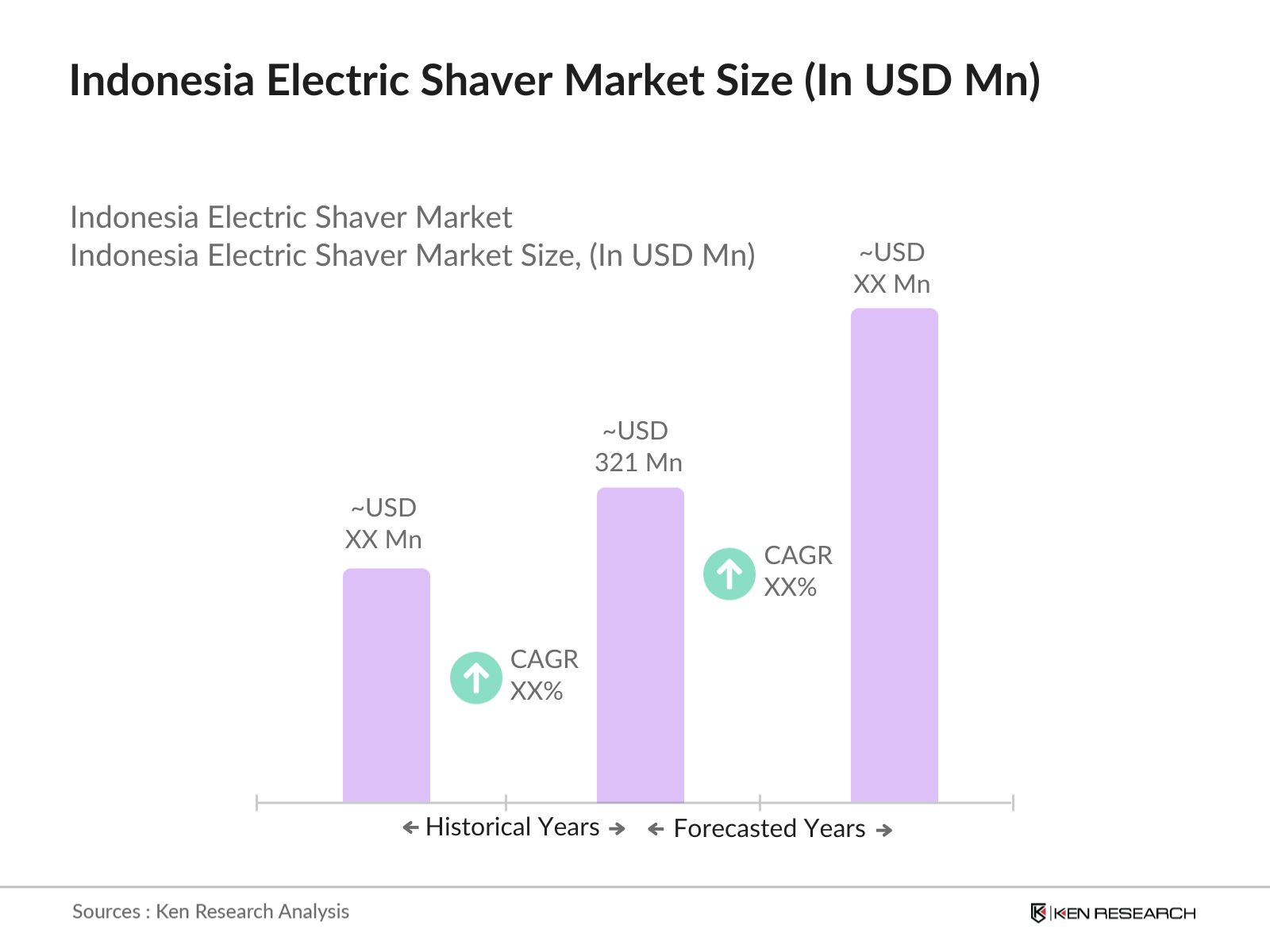
The Indonesia electric shaver market is valued at USD 321 million and is driven by rising disposable income and a growing demand for time-efficient grooming solutions among urban populations.
Challenges include high product costs, intense competition, and consumer preference for manual razors, which is deeply ingrained in traditional grooming habits.
Key players in the Indonesia electric shaver market include Philips N.V., Panasonic Corporation, Braun GmbH, Xiaomi Corporation, and Flyco Electric Co., Ltd., who dominate due to product innovation and strong brand presence.
Growth drivers in Indonesia electric shaver market include rising disposable income, increased urbanization, technological innovations, and the growing popularity of grooming among young professionals.
Trends include the adoption of smart shavers with IoT capabilities, a shift towards wireless and rechargeable devices, and a focus on sustainability through eco-friendly products and packaging.

What makes us stand out is that our consultants follows Robust, Refine and Result (RRR) methodology. i.e. Robust for clear definitions, approaches and sanity checking, Refine for differentiating respondents facts and opinions and Result for presenting data with story

We have set a benchmark in the industry by offering our clients with syndicated and customized market research reports featuring coverage of entire market as well as meticulous research and analyst insights.

While we don't replace traditional research, we flip the method upside down. Our dual approach of Top Bottom & Bottom Top ensures quality deliverable by not just verifying company fundamentals but also looking at the sector and macroeconomic factors.

With one step in the future, our research team constantly tries to show you the bigger picture. We help with some of the tough questions you may encounter along the way: How is the industry positioned? Best marketing channel? KPI's of competitors? By aligning every element, we help maximize success.

Our report gives you instant access to the answers and sources that other companies might choose to hide. We elaborate each steps of research methodology we have used and showcase you the sample size to earn your trust.

If you need any support, we are here! We pride ourselves on universe strength, data quality, and quick, friendly, and professional service.