
Indonesia Gaming Console Market Outlook to 2030
Region:Indonesia
Author(s):Sanjeev
Product Code:KROD8133
Region:Indonesia
Author(s):Sanjeev
Product Code:KROD8133
November 2024
81
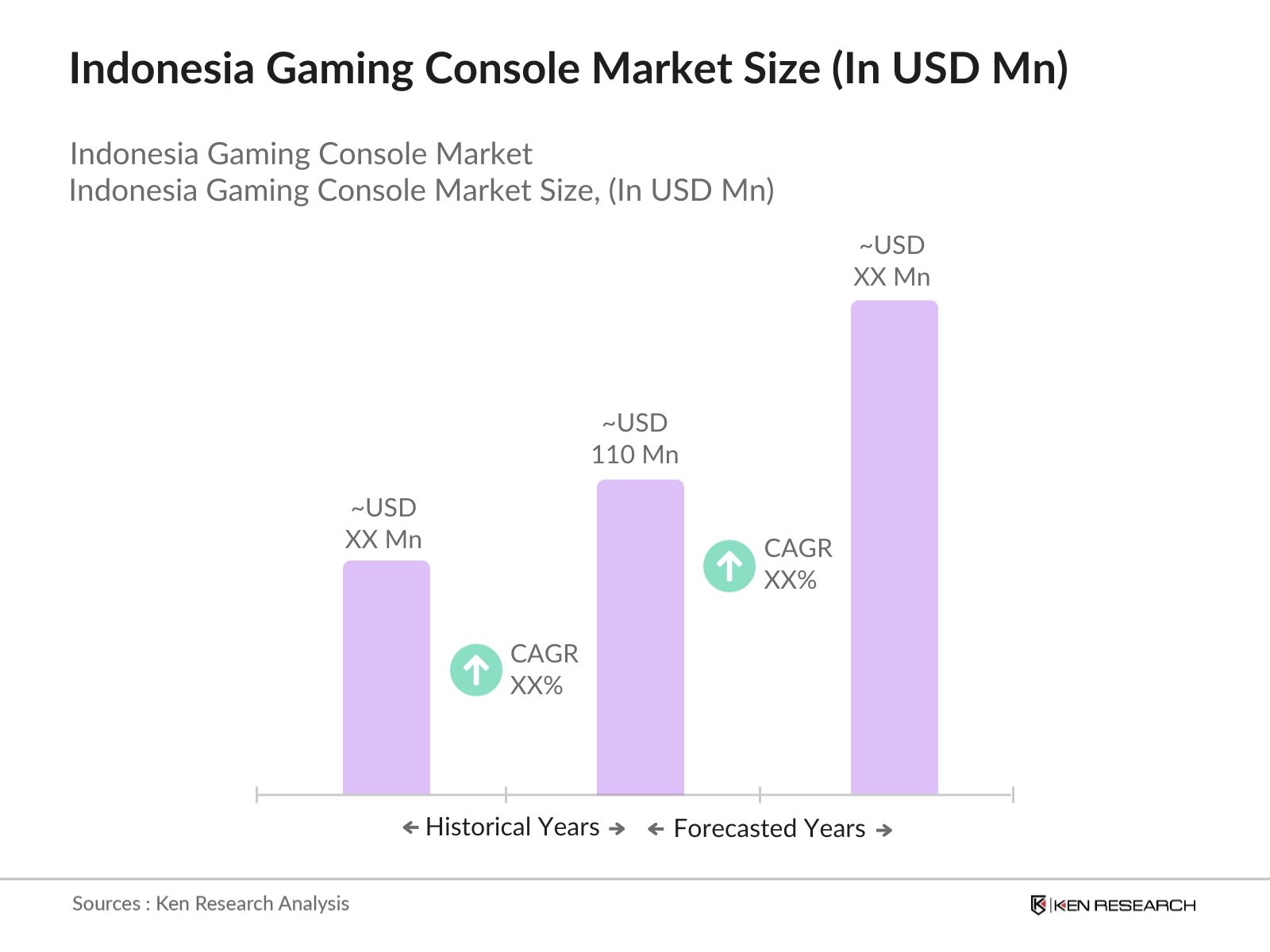
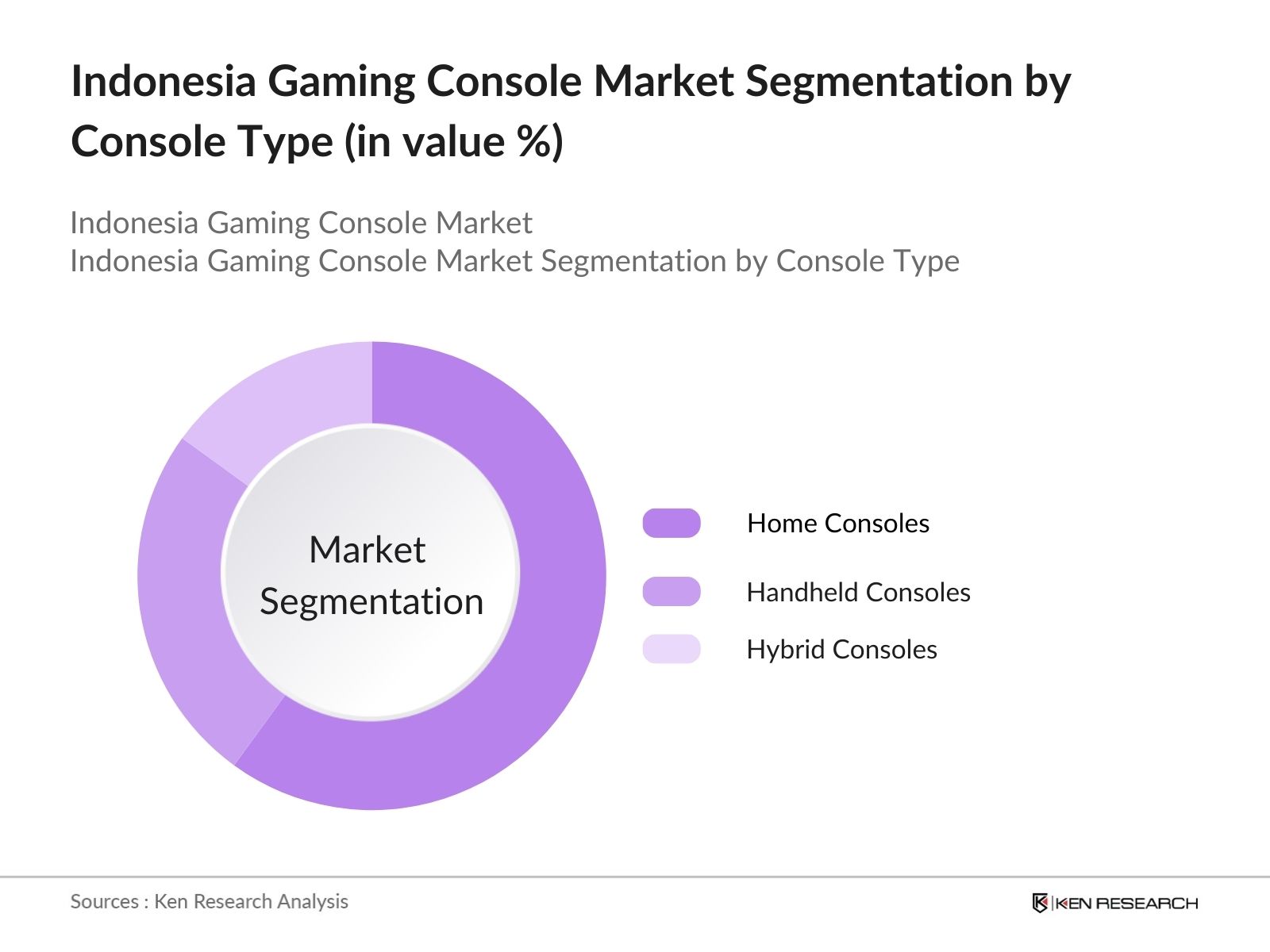

The Indonesia gaming console market is characterized by strong competition between international console manufacturers and a few local distributors. The major global players dominate the market, focusing on exclusive gaming titles, high-end hardware, and strategic partnerships with local distributors and esports organizations.
|
Company Name |
Establishment Year |
Headquarters |
Revenue (2023) |
Console Units Sold |
Key Markets |
Market Share (%) |
No. of Employees |
Key Partnerships |
|
Sony Interactive Entertainment |
1993 |
Tokyo, Japan |
||||||
|
Microsoft Corporation |
1975 |
Redmond, Washington |
||||||
|
Nintendo Co., Ltd. |
1889 |
Kyoto, Japan |
||||||
|
Tencent Holdings Ltd. |
1998 |
Shenzhen, China |
||||||
|
Razer Inc. |
2005 |
Singapore |
Over the next five years, the Indonesia gaming console market is expected to experience considerable growth, driven by increasing internet penetration, the rising popularity of esports, and the development of cloud gaming platforms. The market will benefit from ongoing advancements in console technology, including virtual reality integration and the growth of digital game distribution. Government initiatives supporting the local gaming industry and increased investments in gaming infrastructure will also fuel the market's expansion.
1.1. Definition and Scope
1.2. Market Taxonomy
1.3. Market Growth Rate
1.4. Market Segmentation Overview
2.1. Historical Market Size
2.2. Year-on-Year Growth Analysis
2.3. Key Market Developments and Milestones
3.1. Growth Drivers
3.1.1. Rising Disposable Income
3.1.2. Expansion of Online Gaming Ecosystem
3.1.3. Increasing Internet Penetration
3.1.4. Technological Advancements in Console Hardware
3.2. Market Challenges
3.2.1. High Import Duties on Consoles
3.2.2. Competition from PC and Mobile Gaming
3.2.3. Lack of Localized Gaming Content
3.3. Opportunities
3.3.1. Growth of Esports
3.3.2. Expanding Gaming Audience in Urban Areas
3.3.3. Strategic Partnerships with Content Developers
3.4. Trends
3.4.1. Adoption of Cloud Gaming
3.4.2. Console Subscription Services
3.4.3. Virtual Reality (VR) Gaming Expansion
3.5. Government Regulations
3.5.1. Import Regulations for Gaming Hardware
3.5.2. Policies on Online Gaming Content
3.5.3. Support for Local Game Development
3.6. SWOT Analysis
3.7. Stakeholder Ecosystem
3.8. Porters Five Forces Analysis
3.9. Competition Ecosystem
4.1. By Console Type (In Value %)
4.1.1. Home Consoles
4.1.2. Handheld Consoles
4.1.3. Hybrid Consoles
4.2. By Distribution Channel (In Value %)
4.2.1. Offline Stores (Electronics Stores, Hypermarkets)
4.2.2. Online Retail
4.3. By Price Range (In Value %)
4.3.1. High-end Consoles
4.3.2. Mid-range Consoles
4.3.3. Budget Consoles
4.4. By User Demographics (In Value %)
4.4.1. Children (Aged Below 18)
4.4.2. Adults (Aged 18-40)
4.4.3. Senior Gamers (Aged Above 40)
4.5. By Region (In Value %)
4.5.1. North
4.5.2. South
4.5.3. East
4.5.4. West
5.1. Detailed Profiles of Major Companies
5.1.1. Sony Interactive Entertainment
5.1.2. Microsoft Corporation
5.1.3. Nintendo Co., Ltd.
5.1.4. Razer Inc.
5.1.5. Tencent Holdings Ltd.
5.1.6. Ubisoft Entertainment SA
5.1.7. Electronic Arts Inc.
5.1.8. Bandai Namco Entertainment Inc.
5.1.9. SEGA Corporation
5.1.10. Valve Corporation
5.1.11. Activision Blizzard Inc.
5.1.12. Capcom Co., Ltd.
5.1.13. Konami Holdings Corporation
5.1.14. Square Enix Holdings Co., Ltd.
5.1.15. Take-Two Interactive Software, Inc.
5.2. Cross Comparison Parameters (Revenue, Market Share, Headquarters, No. of Employees)
5.3. Market Share Analysis
5.4. Strategic Initiatives
5.5. Mergers and Acquisitions
5.6. Investment Analysis
5.7. Venture Capital Funding
5.8. Government Incentives
5.9. Private Equity Investments
6.1. Import and Taxation Policies
6.2. Regulations on Online Gaming Content
6.3. Certification and Compliance Requirements
7.1. Future Market Size Projections
7.2. Key Factors Driving Future Market Growth
8.1. By Console Type (In Value %)
8.2. By Distribution Channel (In Value %)
8.3. By Price Range (In Value %)
8.4. By User Demographics (In Value %)
8.5. By Region (In Value %)
9.1. TAM/SAM/SOM Analysis
9.2. Consumer Behavior Analysis
9.3. Marketing Initiatives
9.4. White Space Opportunity Analysis
The initial phase involves identifying the key factors that influence the Indonesia Gaming Console Market, including consumer behavior, retail distribution trends, and technological advancements. Secondary research was used to collect comprehensive data from industry reports, proprietary databases, and government publications.
Historical data and key trends were analyzed to understand the growth trajectory of the Indonesia Gaming Console Market. Factors such as console unit sales, revenue generation, and market segmentation were examined. This step involved assessing both offline and online retail performance in the market.
Hypotheses about market trends and growth drivers were validated through consultations with industry experts. Interviews with console manufacturers, retailers, and esports organizations provided valuable insights into the future of gaming in Indonesia.
The final phase synthesized data from both primary and secondary sources to generate a comprehensive and validated report on the Indonesia Gaming Console Market. The output provided an accurate analysis of market dynamics, including growth drivers and challenges.
The Indonesia gaming console market is valued at USD 110 million, driven by rising demand for home entertainment and increasing internet penetration in urban centers like Jakarta and Surabaya.
Challenges in the Indonesia gaming console market include high import duties on consoles, competition from mobile gaming platforms, and the lack of localized gaming content tailored to Indonesian audiences.
The key players in the Indonesia gaming console market include Sony Interactive Entertainment, Microsoft Corporation, Nintendo Co., Ltd., Tencent Holdings Ltd., and Razer Inc.
The Indonesia gaming console market is driven by factors such as the increasing popularity of esports, rising disposable incomes, and the launch of next-generation gaming consoles from leading manufacturers.
Cities in Indonesia gaming console market such as Jakarta, Bandung, and Surabaya dominate the Indonesia gaming console market due to their strong internet infrastructure, tech-savvy populations, and growing interest in esports.

What makes us stand out is that our consultants follows Robust, Refine and Result (RRR) methodology. i.e. Robust for clear definitions, approaches and sanity checking, Refine for differentiating respondents facts and opinions and Result for presenting data with story

We have set a benchmark in the industry by offering our clients with syndicated and customized market research reports featuring coverage of entire market as well as meticulous research and analyst insights.

While we don't replace traditional research, we flip the method upside down. Our dual approach of Top Bottom & Bottom Top ensures quality deliverable by not just verifying company fundamentals but also looking at the sector and macroeconomic factors.

With one step in the future, our research team constantly tries to show you the bigger picture. We help with some of the tough questions you may encounter along the way: How is the industry positioned? Best marketing channel? KPI's of competitors? By aligning every element, we help maximize success.

Our report gives you instant access to the answers and sources that other companies might choose to hide. We elaborate each steps of research methodology we have used and showcase you the sample size to earn your trust.

If you need any support, we are here! We pride ourselves on universe strength, data quality, and quick, friendly, and professional service.