
KSA Flat Glass Market Outlook to 2030
Region:Saudi Arabia
Author(s):Mukul
Product Code:KROD3166
Region:Saudi Arabia
Author(s):Mukul
Product Code:KROD3166
October 2024
94
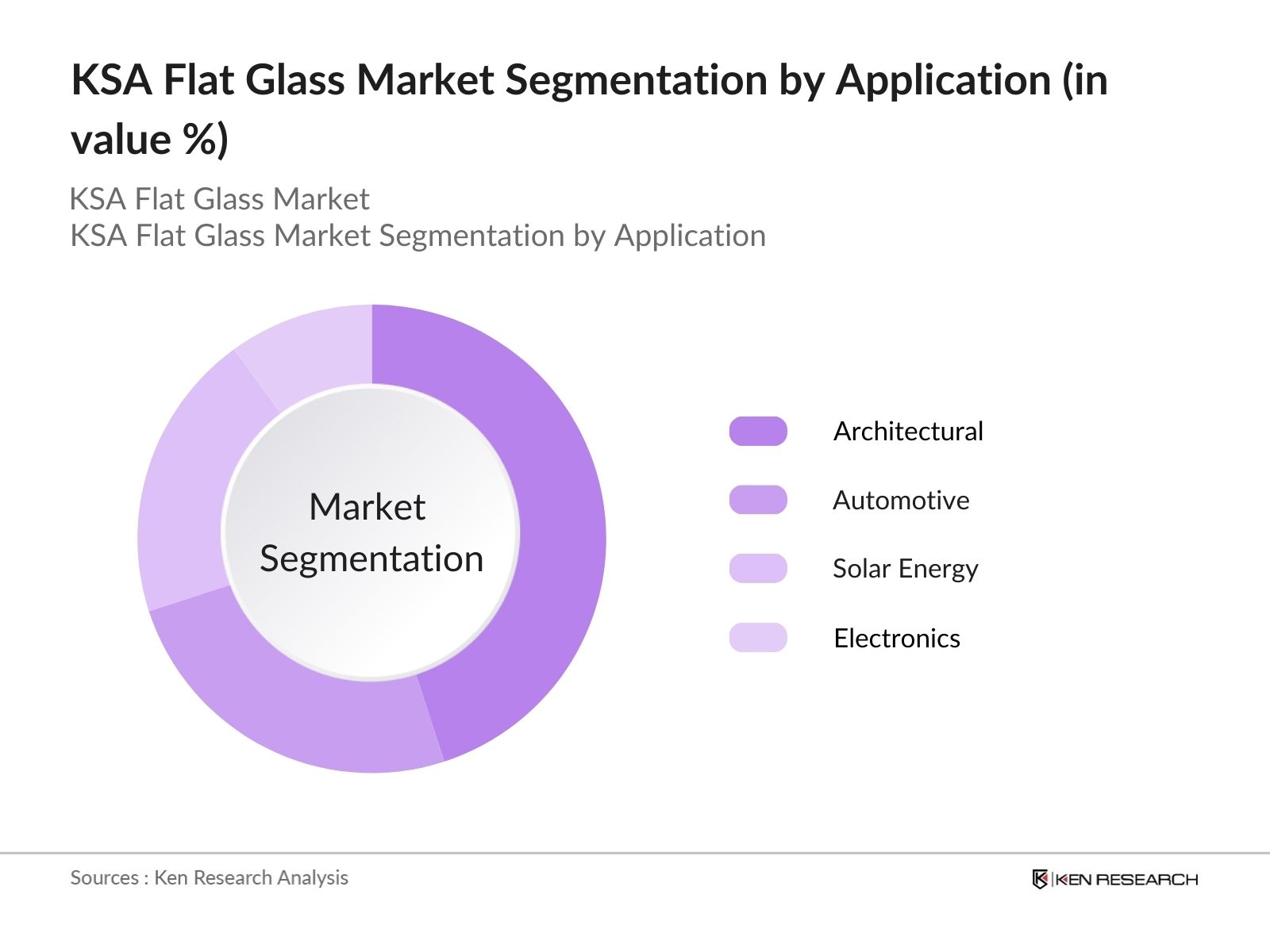
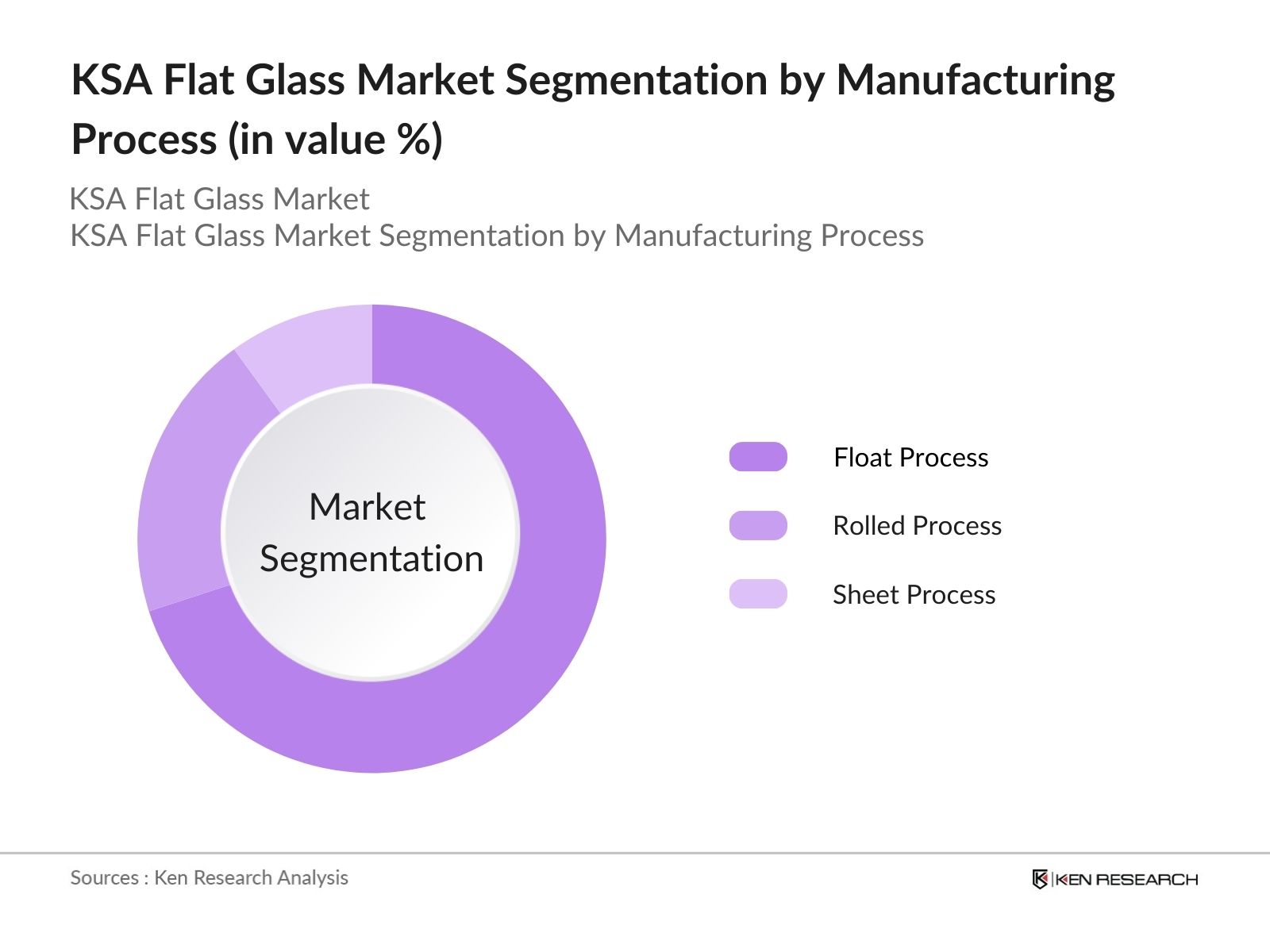
The flat glass market in KSA is dominated by prominent international players like Guardian Industries and Saint-Gobain, alongside local firms such as Arabian United Float Glass Co. These companies have established themselves by catering to the growing demand from the construction and automotive industries. The dominance of these key players is reflected in their strong distribution networks, technological innovations, and focus on energy-efficient glass products.
|
Company Name |
Establishment Year |
Headquarters |
Production Capacity (Tons/Year) |
Product Range |
Sustainability Initiatives |
Regional Presence |
Revenue (USD Bn) |
Technological Innovations |
|
Guardian Industries |
1932 |
Auburn Hills, USA |
||||||
|
Saint-Gobain |
1665 |
Courbevoie, France |
||||||
|
Asahi Glass Co. |
1907 |
Tokyo, Japan |
||||||
|
Arabian United Float Glass Co. |
2006 |
Riyadh, Saudi Arabia |
||||||
|
Emirates Glass |
1998 |
Dubai, UAE |
Over the next five years, the KSA flat glass market is expected to experience robust growth, driven by ongoing investments in large-scale construction and renewable energy projects. The government's Vision 2030 initiatives, focused on urban development and sustainability, will continue to play a significant role in market expansion. The increasing adoption of energy-efficient glass technologies in both commercial and residential buildings, coupled with rising demand from the solar energy sector, is expected to sustain market momentum in the future.
|
Segment |
Sub-segment |
|
By Application |
- Architectural |
|
- Automotive |
|
|
- Solar Energy |
|
|
- Electronics |
|
|
- Others |
|
|
By End-use Industry |
- Commercial Construction |
|
- Residential Construction |
|
|
- Automotive Manufacturing |
|
|
- Renewable Energy Projects |
|
|
- Electronics & Appliances |
|
|
By Manufacturing Process |
- Float Process |
|
- Rolled Process |
|
|
- Sheet Process |
|
|
By Technology |
- Annealed Glass |
|
- Tempered Glass |
|
|
- Laminated Glass |
|
|
- Insulating Glass |
|
|
- Coated Glass |
|
|
By Region |
- Riyadh |
|
- Jeddah |
|
|
- Eastern Province |
|
|
- Western Region |
|
|
- Central Region |
1.1. Definition and Scope
1.2. Market Taxonomy (Application, Manufacturing Process, End-use Industry, Technology, Region)
1.3. Market Growth Rate (CAGR, Market Value)
1.4. Market Segmentation Overview (Application, End-use Industry, Region)
2.1. Historical Market Size
2.2. Year-On-Year Growth Analysis
2.3. Key Market Developments and Milestones
3.1. Growth Drivers (Construction Boom, Renewable Energy, Infrastructure Development)
3.2. Market Challenges (Fluctuating Raw Material Prices, High Manufacturing Costs, Energy-Intensive Production)
3.3. Opportunities (Expansion of Solar Energy Projects, Smart Building Technologies, Architectural Innovations)
3.4. Trends (Energy-efficient Glass, Low-emissivity Glass, Smart Glass, Increasing Use in Automotive Industry)
3.5. Government Regulations (KSA Vision 2030, Energy Efficiency Policies, Environmental Regulations)
4.1. By Application (In Value %)
4.1.1. Architectural
4.1.2. Automotive
4.1.3. Solar Energy
4.1.4. Electronics
4.1.5. Others
4.2. By End-use Industry (In Value %)
4.2.1. Commercial Construction
4.2.2. Residential Construction
4.2.3. Automotive Manufacturing
4.2.4. Renewable Energy Projects
4.2.5. Electronics & Appliances
4.3. By Manufacturing Process (In Value %)
4.3.1. Float Process
4.3.2. Rolled Process
4.3.3. Sheet Process
4.4. By Technology (In Value %)
4.4.1. Annealed Glass
4.4.2. Tempered Glass
4.4.3. Laminated Glass
4.4.4. Insulating Glass
4.4.5. Coated Glass
4.5. By Region (In Value %)
4.5.1. Riyadh
4.5.2. Jeddah
4.5.3. Eastern Province
4.5.4. Western Region
4.5.5. Central Region
5.1. Detailed Profiles of Major Companies
5.1.1. Guardian Industries
5.1.2. Saint-Gobain
5.1.3. Asahi Glass Co.
5.1.4. Pilkington Group Ltd
5.1.5. Arabian United Float Glass Co.
5.1.6. Saudi American Glass
5.1.7. Jeddah Glass
5.1.8. Emirates Glass
5.1.9. Gulf Glass Industries
5.1.10. Al Jazeera Factory for Glass
5.1.11. Al Maha Glass
5.1.12. Sphinx Glass
5.1.13. Future Architectural Glass
5.1.14. Saudi Arabian Glass Company
5.1.15. Xinyi Glass Holdings
5.2. Cross Comparison Parameters (Production Capacity, No. of Employees, Headquarters, Revenue, Market Share, Product Range, Regional Presence, Sustainability Initiatives)
5.3. Market Share Analysis (Market Share by Revenue, Application, and Technology)
5.4. Strategic Initiatives (New Product Launches, Partnerships, Mergers & Acquisitions)
5.5. Mergers and Acquisitions
5.6. Investment Analysis (Foreign Investments, Private Equity, Venture Capital)
5.7. Government Grants and Subsidies
5.8. Private Equity Investments
6.1. Energy Efficiency Standards
6.2. Environmental Standards for Flat Glass Manufacturing
6.3. Certification Processes (LEED, BREEAM, ISO Certifications)
6.4. Import/Export Regulations and Tariffs
6.5. Government Incentives for Solar and Energy-efficient Glass
7.1. Future Market Size Projections
7.2. Key Factors Driving Future Market Growth (Government Infrastructure Investments, Smart City Initiatives, Solar Energy Expansion)
8.1. By Application (In Value %)
8.2. By End-use Industry (In Value %)
8.3. By Manufacturing Process (In Value %)
8.4. By Technology (In Value %)
8.5. By Region (In Value %)
9.1. TAM/SAM/SOM Analysis
9.2. Customer Cohort Analysis (Commercial, Residential, Automotive)
9.3. Market Penetration Strategies
9.4. White Space Opportunity Analysis (Niche Market Identification, Regional Growth Opportunities)
The research begins by mapping out the major stakeholders in the KSA flat glass market, including manufacturers, distributors, and end-users. This is achieved through comprehensive desk research using secondary and proprietary databases, with the primary goal of identifying the key factors that impact market growth.
In this phase, historical market data for the flat glass industry is analyzed, covering areas such as manufacturing output, demand from construction and automotive industries, and technological innovations. This helps in estimating revenue generation and growth potential for the future.
The research hypotheses developed from historical data are validated through consultations with industry experts. Interviews with manufacturers, distributors, and sector specialists are conducted to gather insights into current trends and emerging challenges, ensuring the accuracy of the data.
The final phase includes engaging directly with major flat glass manufacturers in KSA to gather detailed insights into product segments, sales performance, and future outlook. The bottom-up approach is used to compile and validate all gathered data, ensuring the final report reflects a comprehensive and accurate market analysis.
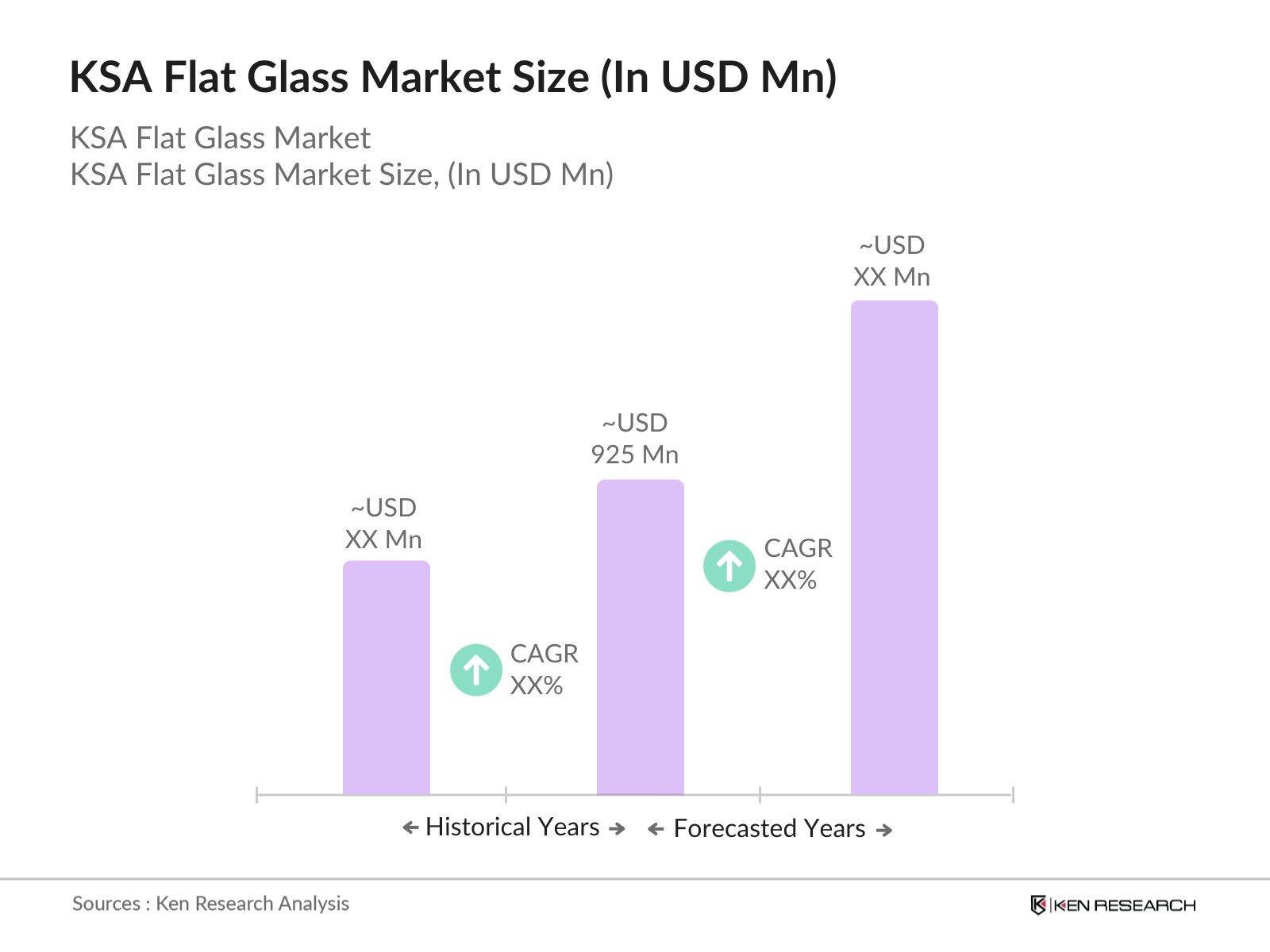
The KSA flat glass market is valued at USD 925 million, driven by strong demand from construction and automotive industries, along with government-led infrastructure projects. This valuation is based on a comprehensive analysis of historical market trends.
Key drivers in the KSA flat glass market include Saudi Arabia's Vision 2030 initiative, urbanization, and the expansion of solar energy projects. Increasing demand for energy-efficient buildings and advanced glass technologies are also boosting market growth.
Major players in the KSA flat glass market include Guardian Industries, Saint-Gobain, Asahi Glass Co., Arabian United Float Glass Co., and Emirates Glass. These companies have established strong market positions due to their production capacities and technological advancements.
Challenges include fluctuating raw material prices, high energy consumption in the manufacturing process, and competition from imported glass. The market also faces regulatory pressures related to sustainability and energy efficiency.

What makes us stand out is that our consultants follows Robust, Refine and Result (RRR) methodology. i.e. Robust for clear definitions, approaches and sanity checking, Refine for differentiating respondents facts and opinions and Result for presenting data with story

We have set a benchmark in the industry by offering our clients with syndicated and customized market research reports featuring coverage of entire market as well as meticulous research and analyst insights.

While we don't replace traditional research, we flip the method upside down. Our dual approach of Top Bottom & Bottom Top ensures quality deliverable by not just verifying company fundamentals but also looking at the sector and macroeconomic factors.

With one step in the future, our research team constantly tries to show you the bigger picture. We help with some of the tough questions you may encounter along the way: How is the industry positioned? Best marketing channel? KPI's of competitors? By aligning every element, we help maximize success.

Our report gives you instant access to the answers and sources that other companies might choose to hide. We elaborate each steps of research methodology we have used and showcase you the sample size to earn your trust.

If you need any support, we are here! We pride ourselves on universe strength, data quality, and quick, friendly, and professional service.