
Middle East and Africa CBTC Market Outlook to 2030
Region:Saudi Arabia
Author(s):Sanjeev
Product Code:KROD9832
Region:Saudi Arabia
Author(s):Sanjeev
Product Code:KROD9832
October 2024
87
Listen to the audio summary
Middle East and Africa CBTC Market Segmentation
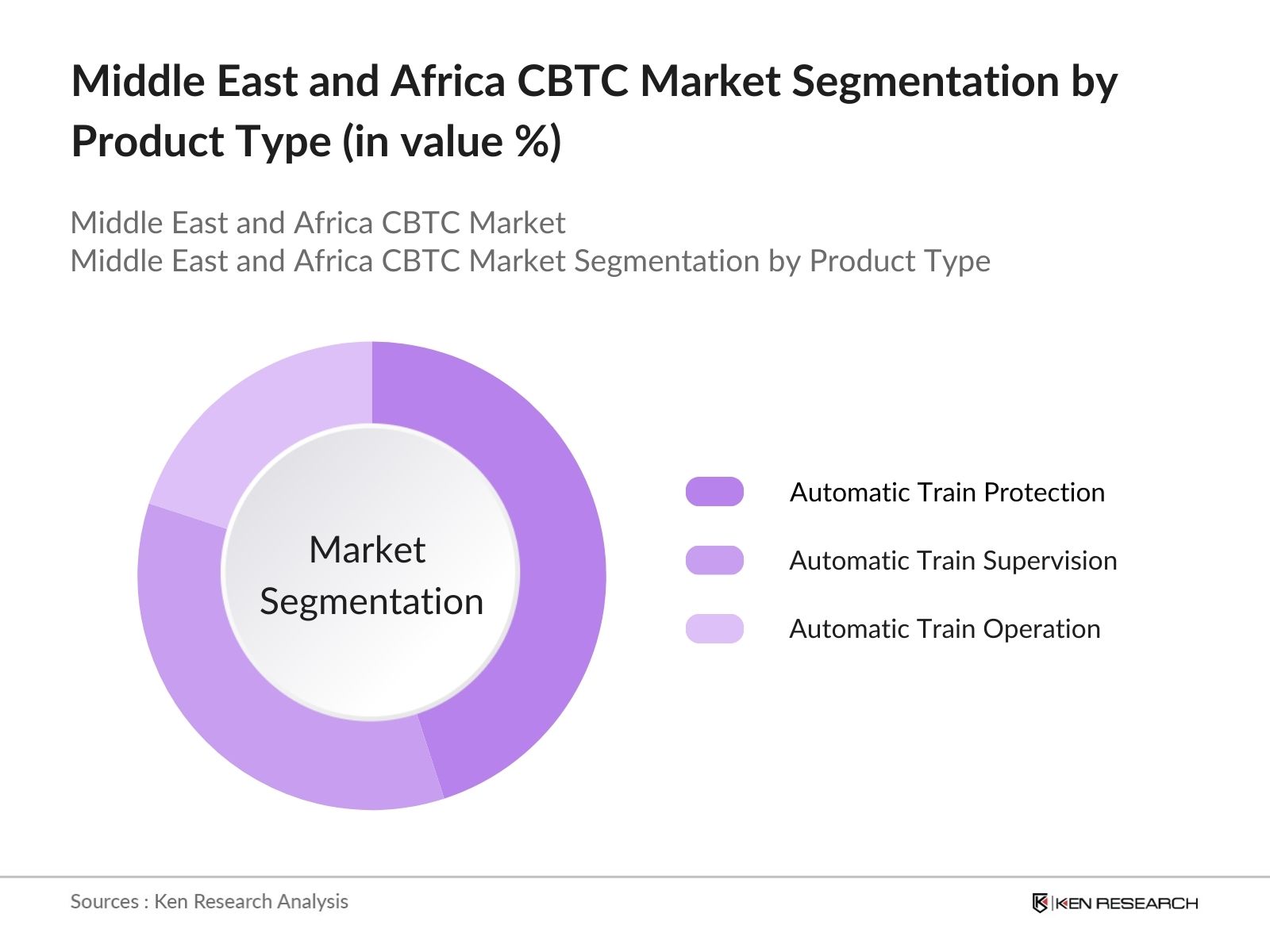
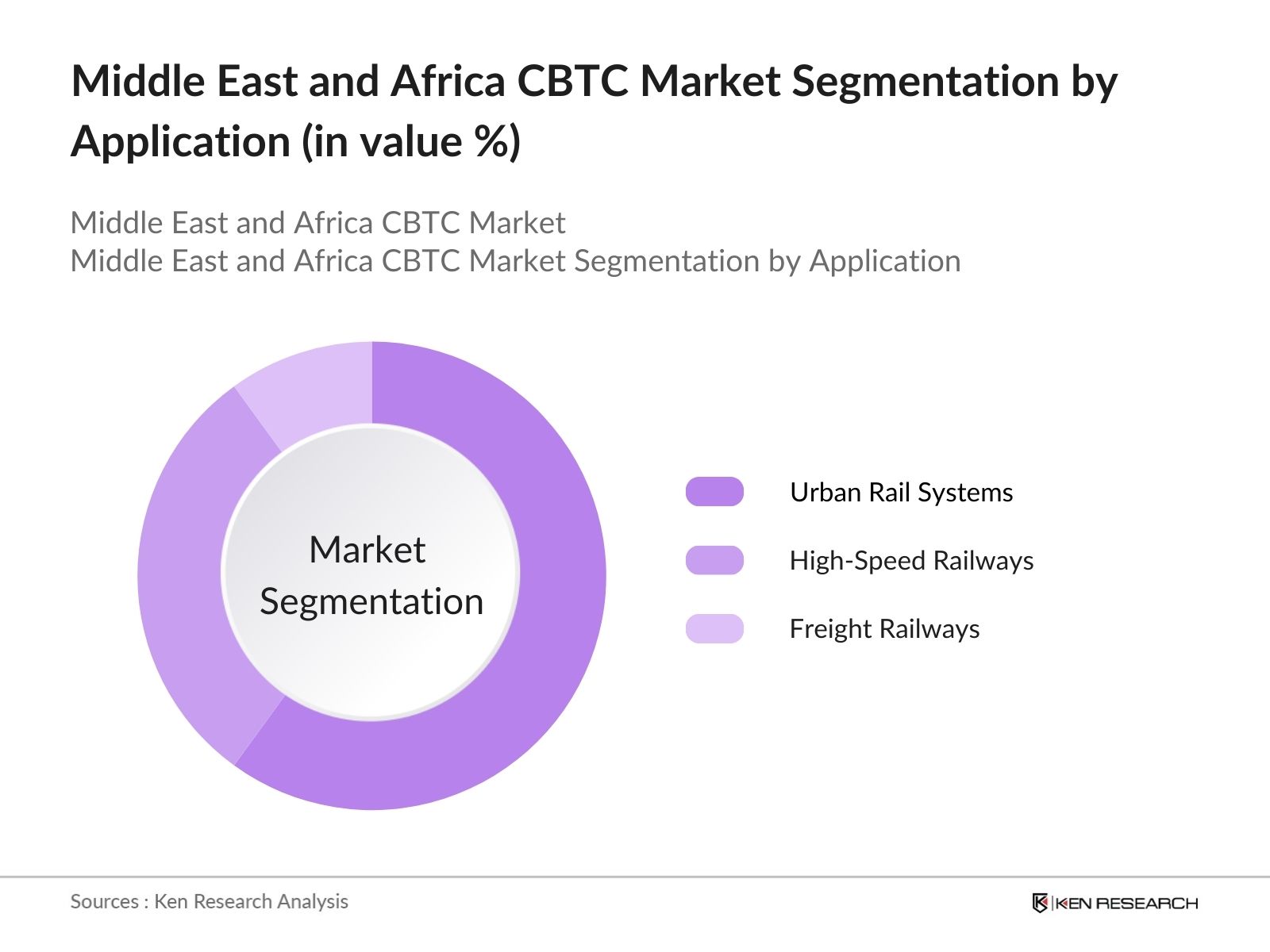
The Middle East and Africa CBTC market is segmented by product type and by application.
Middle East and Africa CBTC Market Competitive Landscape
The Middle East and Africa CBTC market is highly competitive, with a mix of global giants and regional players. The market is dominated by established companies with a strong foothold in rail technology and infrastructure. Companies like Siemens Mobility, Alstom SA, and Bombardier Transportation have secured large-scale contracts for CBTC installations in major rail projects across the region. Their extensive experience and technological leadership make them preferred choices for CBTC projects, ensuring reliable and innovative solutions. Additionally, local governments often partner with these firms due to their ability to meet stringent safety and regulatory requirements, further solidifying their market dominance.
|
Company |
Establishment Year |
Headquarters |
Revenue from Rail |
Government Contracts |
Installed Base |
R&D Investments |
Technology Leadership |
Local Partnerships |
|
Siemens Mobility |
1847 |
Munich, Germany |
||||||
|
Alstom SA |
1928 |
Saint-Ouen, France |
||||||
|
Bombardier Transportation |
1942 |
Berlin, Germany |
||||||
|
Thales Group |
1893 |
Paris, France |
||||||
|
Hitachi Rail STS |
1881 |
Genoa, Italy |
Middle East and Africa CBTC Market Analysis
Growth Drivers
Market Challenges
Middle East and Africa CBTC Market Future Outlook
Over the next five years, the Middle East and Africa CBTC market is expected to show significant growth driven by continued government investment in rail infrastructure, urbanization, and the growing demand for efficient transportation solutions. The shift towards smart cities and the integration of advanced rail technologies, such as IoT and autonomous train operations, will further accelerate the adoption of CBTC systems. Countries in the region will continue to rely on CBTC technology to modernize existing networks and expand their urban rail systems, particularly in regions like the UAE, Saudi Arabia, and Egypt.
Market Opportunities
|
|||||||||
|
By Technology |
|
||||||||
|
By Application |
|
||||||||
|
By Deployment Type |
|
||||||||
|
By Region |
North East West South |
Siemens Mobility
1.1. Definition and Scope
1.2. Market Taxonomy
1.3. Market Growth Rate
1.4. Market Segmentation Overview
2.1. Historical Market Size
2.2. Year-On-Year Growth Analysis
2.3. Key Market Developments and Milestones (CBTC installations, Major contract awards, Technological advancements in automation)
3.1. Growth Drivers
3.1.1. Urbanization and Population Growth (Middle East & Africa Specific Transportation Needs)
3.1.2. Government Initiatives towards Smart Transportation (Metro projects, Rail modernization)
3.1.3. Increasing Investments in Rail Infrastructure (Public-Private Partnerships, Multilateral Bank Investments)
3.2. Market Challenges
3.2.1. High Capital Investments (Infrastructure costs, Training requirements for workforce)
3.2.2. Regulatory and Technical Challenges (Regulatory harmonization across regions, System compatibility)
3.2.3. Maintenance and Upgradation Issues (Maintenance of legacy systems, Skilled workforce shortages)
3.3. Opportunities
3.3.1. Expansion into Emerging Economies (Growing demand in Sub-Saharan Africa, New urban metro systems)
3.3.2. Technology Advancements in Automation (Integration of AI and IoT with CBTC systems)
3.3.3. Increased Government Spending (Funding from local governments and international development banks)
3.4. Trends
3.4.1. Integration with Smart City Initiatives (Smart rail corridors, Connected mobility solutions)
3.4.2. Autonomous Train Operations (ATO) (Level of automation advancements in CBTC systems)
3.4.3. Collaboration between Rail Operators and Technology Providers (Strategic alliances, Knowledge sharing platforms)
3.5. Government Regulation
3.5.1. National Transport Plans (Smart transportation projects)
3.5.2. Compliance Requirements for Safety and Security (International rail safety standards)
3.5.3. Public-Private Partnerships and International Funding Support (World Bank, African Development Bank investments)
3.6. SWOT Analysis
3.7. Stakeholder Ecosystem (Rail operators, technology providers, integrators, government agencies)
3.8. Porters Five Forces
3.9. Competition Ecosystem
4.1. By Product Type (In Value %)
4.1.1. Automatic Train Protection (ATP)
4.1.2. Automatic Train Supervision (ATS)
4.1.3. Automatic Train Operation (ATO)
4.2. By Application (In Value %)
4.2.1. Urban Rail Systems (Metro Systems, Light Rail Transit)
4.2.2. High-Speed Railways
4.2.3. Freight Railways
4.3. By Technology (In Value %)
4.3.1. Moving Block CBTC Systems
4.3.2. Fixed Block CBTC Systems
4.4. By Deployment Type (In Value %)
4.4.1. Greenfield Projects
4.4.2. Brownfield Projects
4.5. By Region (In Value %)
4.5.1. South
4.5.2. North
4.5.3. East
4.5.4. West
5.1. Detailed Profiles of Major Companies
5.1.1. Siemens Mobility
5.1.2. Alstom SA
5.1.3. Bombardier Transportation
5.1.4. Thales Group
5.1.5. Hitachi Rail STS
5.1.6. CRRC Corporation Limited
5.1.7. CAF Group
5.1.8. Mitsubishi Electric Corporation
5.1.9. Wabtec Corporation
5.1.10. Nokia Networks
5.1.11. Schneider Electric
5.1.12. Ansaldo STS
5.1.13. Huawei Technologies
5.1.14. ABB Group
5.1.15. GE Transportation
5.2. Cross Comparison Parameters (Technology leadership, Market presence, Regional deployment, Revenue from rail transportation, Government contracts, Innovation in automation, R&D investments, Installed base)
5.3. Market Share Analysis
5.4. Strategic Initiatives
5.5. Mergers And Acquisitions
5.6. Investment Analysis
5.7. Venture Capital Funding
5.8. Government Grants
5.9. Private Equity Investments
6.1. Rail Safety Regulations (Certification processes, compliance with International Union of Railways - UIC)
6.2. Compliance Requirements (Local and regional rail transport regulations)
6.3. Certification Processes (CBTC system certifications for safety and interoperability)
7.1. Future Market Size Projections
7.2. Key Factors Driving Future Market Growth
8.1. By Product Type (In Value %)
8.2. By Application (In Value %)
8.3. By Technology (In Value %)
8.4. By Deployment Type (In Value %)
8.5. By Region (In Value %)
9.1. TAM/SAM/SOM Analysis
9.2. Customer Cohort Analysis
9.3. Marketing Initiatives
9.4. White Space Opportunity Analysis
The first step in our methodology involves constructing a comprehensive ecosystem map covering the major stakeholders in the Middle East and Africa CBTC market. We utilize secondary data sources, including government reports and industry databases, to identify key variables influencing the market, such as rail infrastructure projects and urbanization trends.
In this step, we gather and analyze historical data on market size, installation base, and revenue generation from CBTC systems across the region. By examining the deployment of CBTC technologies in various countries and cities, we are able to assess market penetration and future growth potential.
Our market hypotheses are validated through extensive interviews with industry experts, including rail operators, government officials, and technology providers. These consultations provide critical insights into the operational and technical challenges facing the CBTC market and help refine our projections.
The final stage involves synthesizing data from both primary and secondary sources to produce a detailed, accurate analysis. We collaborate directly with CBTC technology providers and rail operators to verify the accuracy of our findings and ensure that the final report offers actionable insights for stakeholders.
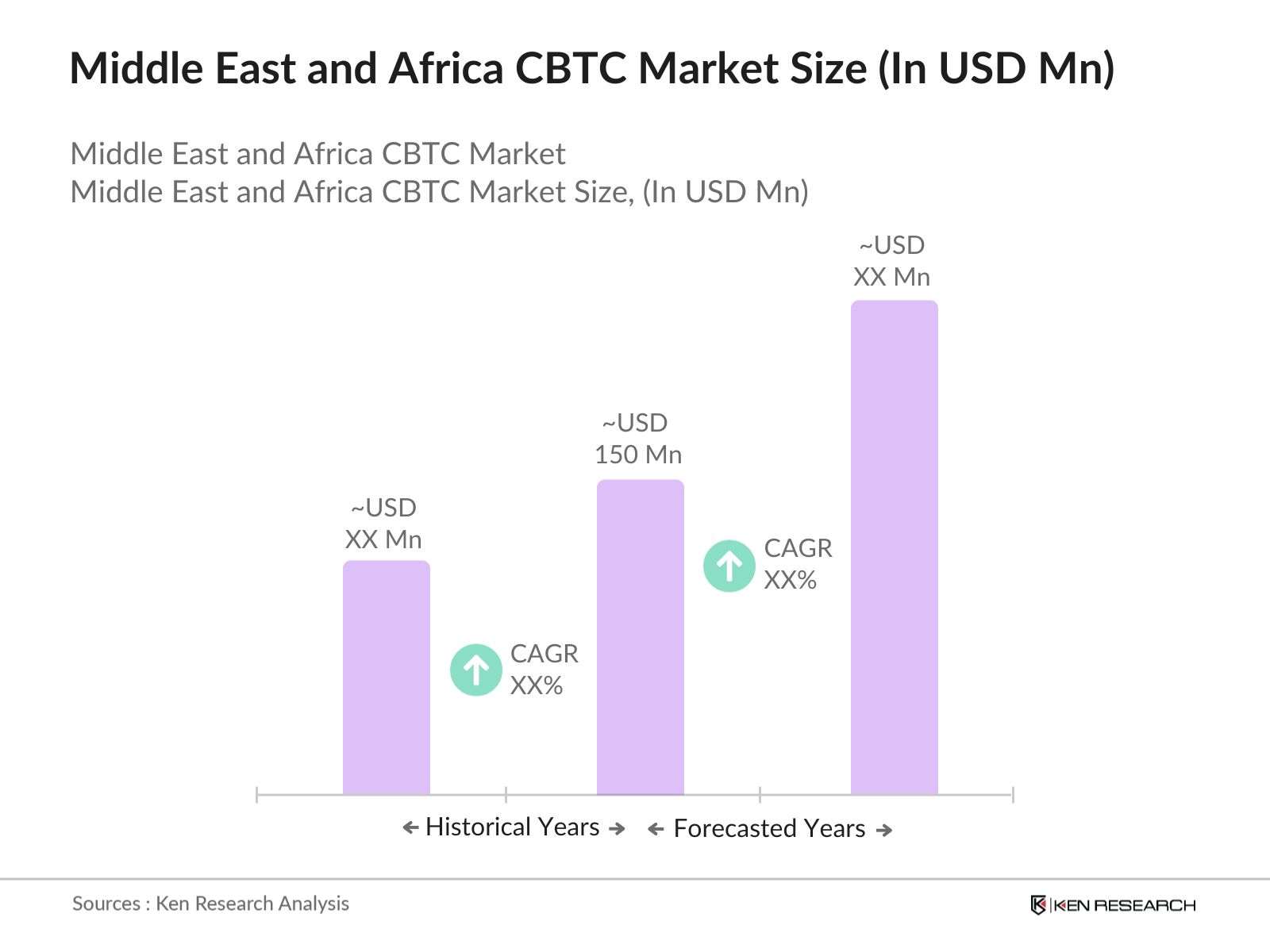
The Middle East and Africa CBTC market is valued at USD 150 million, driven by large-scale urban rail projects and government investments in transportation infrastructure.
Challenges in Middle East and Africa CBTC market include high infrastructure costs, regulatory hurdles, and the need for skilled workforce for maintenance and system integration. The lack of standardized regulations across the region also poses a challenge.
Key players in Middle East and Africa CBTC market include Siemens Mobility, Alstom SA, Bombardier Transportation, Thales Group, and Hitachi Rail STS. These companies dominate the market due to their technological leadership and extensive experience in rail projects.
Growth drivers in Middle East and Africa CBTC market include government-backed urbanization projects, increasing investments in smart transportation, and the growing need for efficient and safe rail systems in congested cities across the region.
The Middle East and Africa CBTC market is expected to grow significantly in the coming years, fueled by ongoing rail infrastructure developments, technological advancements, and the region's focus on smart city initiatives.

What makes us stand out is that our consultants follows Robust, Refine and Result (RRR) methodology. i.e. Robust for clear definitions, approaches and sanity checking, Refine for differentiating respondents facts and opinions and Result for presenting data with story

We have set a benchmark in the industry by offering our clients with syndicated and customized market research reports featuring coverage of entire market as well as meticulous research and analyst insights.

While we don't replace traditional research, we flip the method upside down. Our dual approach of Top Bottom & Bottom Top ensures quality deliverable by not just verifying company fundamentals but also looking at the sector and macroeconomic factors.

With one step in the future, our research team constantly tries to show you the bigger picture. We help with some of the tough questions you may encounter along the way: How is the industry positioned? Best marketing channel? KPI's of competitors? By aligning every element, we help maximize success.

Our report gives you instant access to the answers and sources that other companies might choose to hide. We elaborate each steps of research methodology we have used and showcase you the sample size to earn your trust.

If you need any support, we are here! We pride ourselves on universe strength, data quality, and quick, friendly, and professional service.