
North America Beaded Jewelry Market Outlook to 2030
Region:Mexico
Author(s):Yogita Sahu
Product Code:KROD8536
Region:Mexico
Author(s):Yogita Sahu
Product Code:KROD8536
December 2024
84
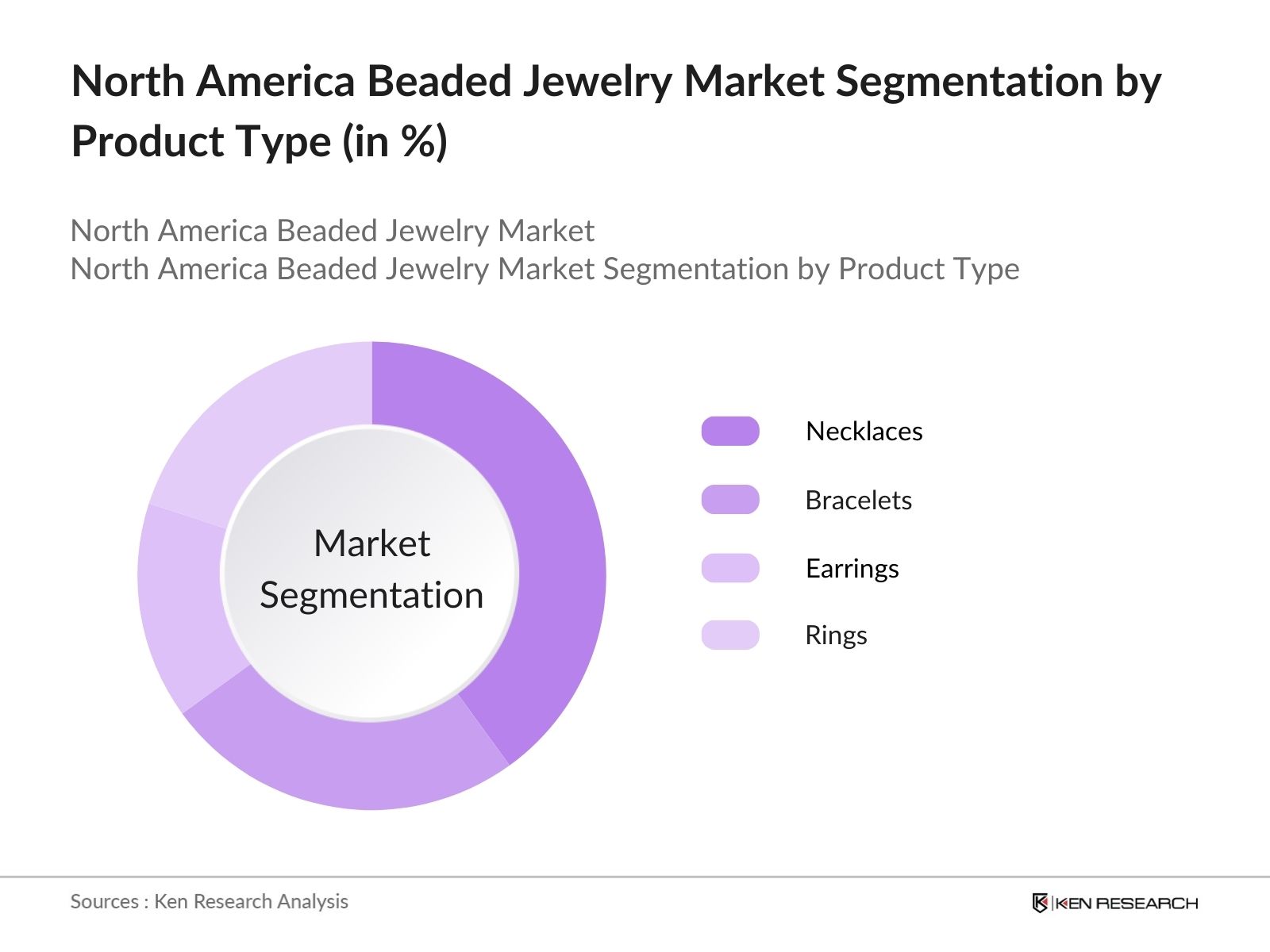
By Product Type: The market is segmented by product type into Necklaces, Bracelets, Rings, and Earrings. Recently, Necklaces have gained dominance in this category, attributed to the high demand for statement pieces that complement various styles, including bohemian, chic, and ethnic fashion. The flexibility in design, use of semi-precious stones, and artisanal craftsmanship have made necklaces a preferred choice among consumers, leading to significant market share.
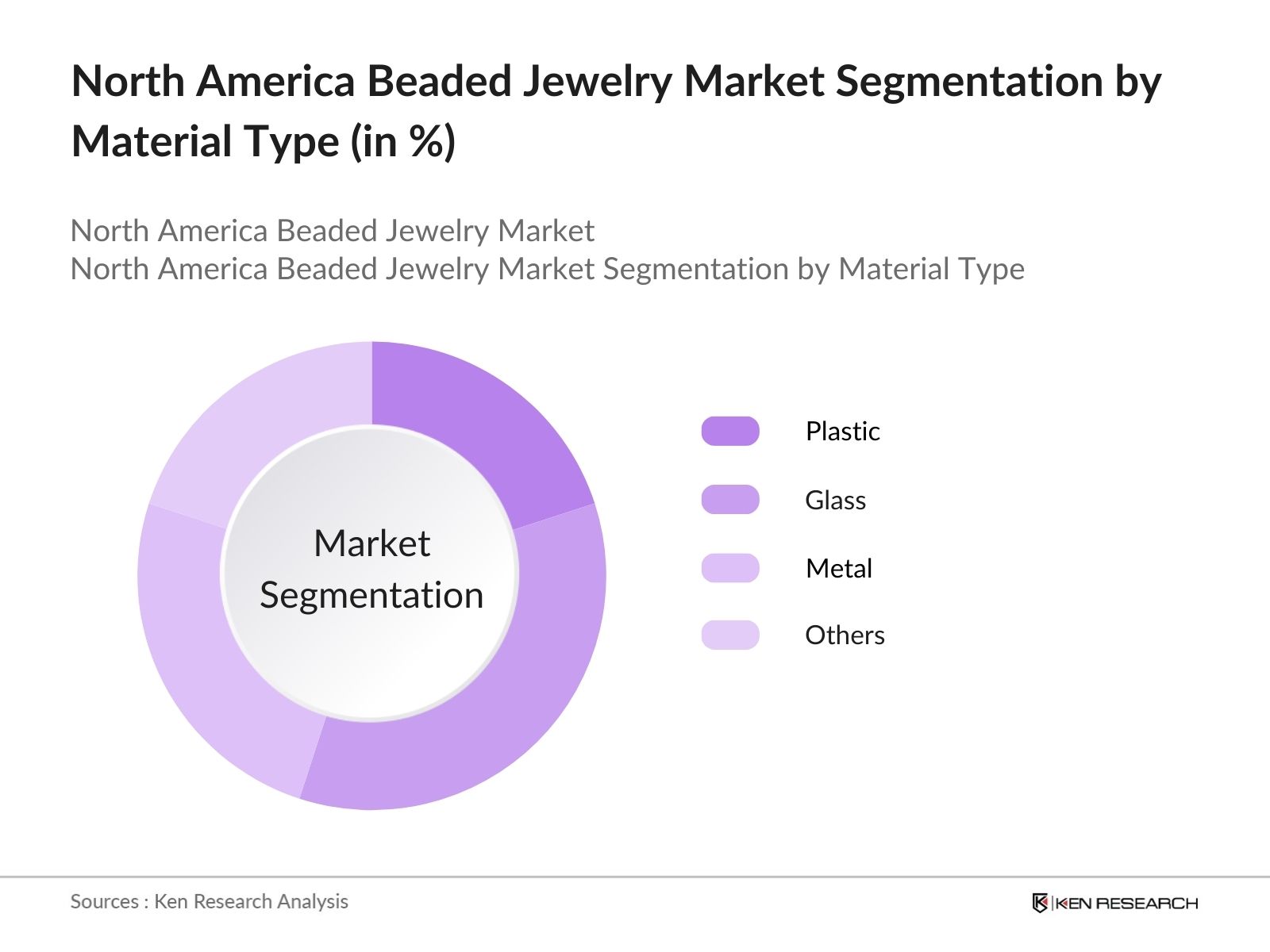
By Material: The market is also segmented by material, including Plastic, Glass, Metal, and Others. Glass is the leading material type due to its versatility, availability, and aesthetic appeal. Glass beads are known for their vibrant colors and reflective properties, making them a popular choice for unique designs. The adaptability of glass to create varied shapes, colors, and textures enhances its desirability among designers and consumers, maintaining its dominance within this segment.
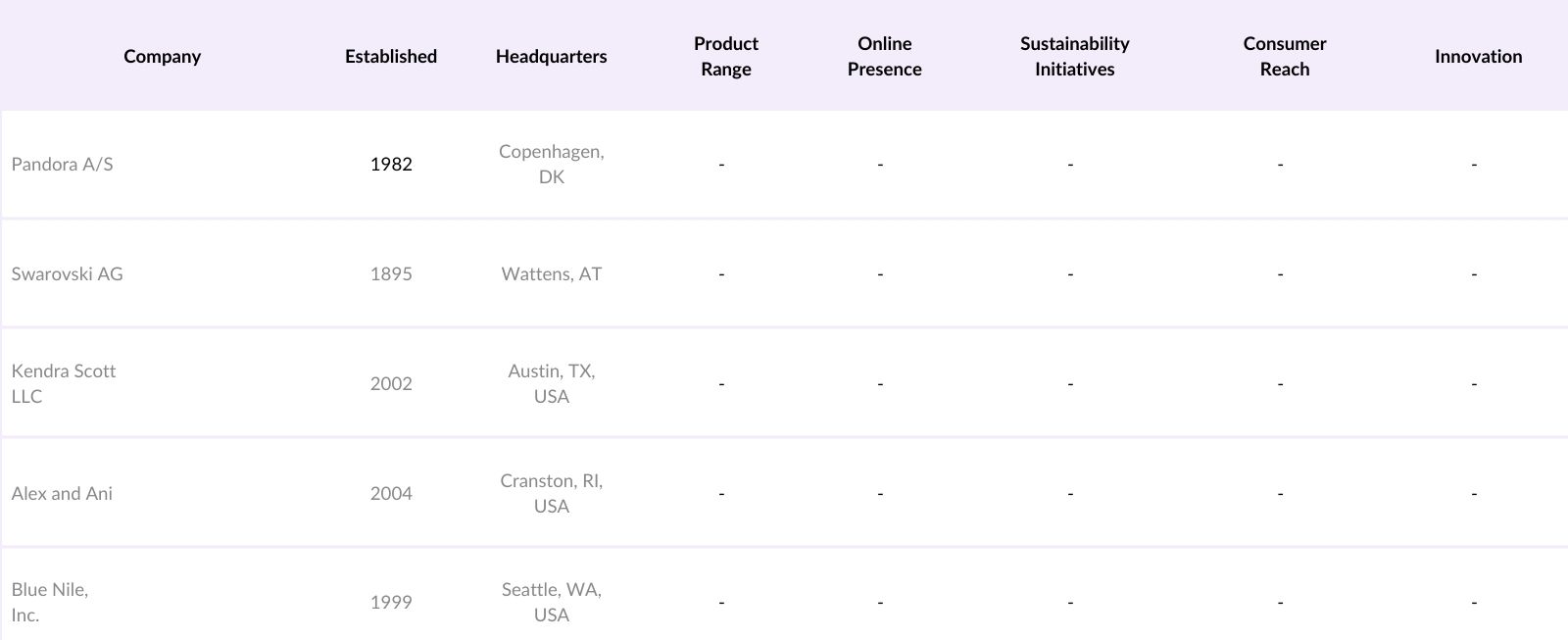
The market is characterized by the presence of major players who drive competition with their distinct offerings and market positioning. Companies in this industry emphasize sustainable practices, material innovation, and a robust digital presence.
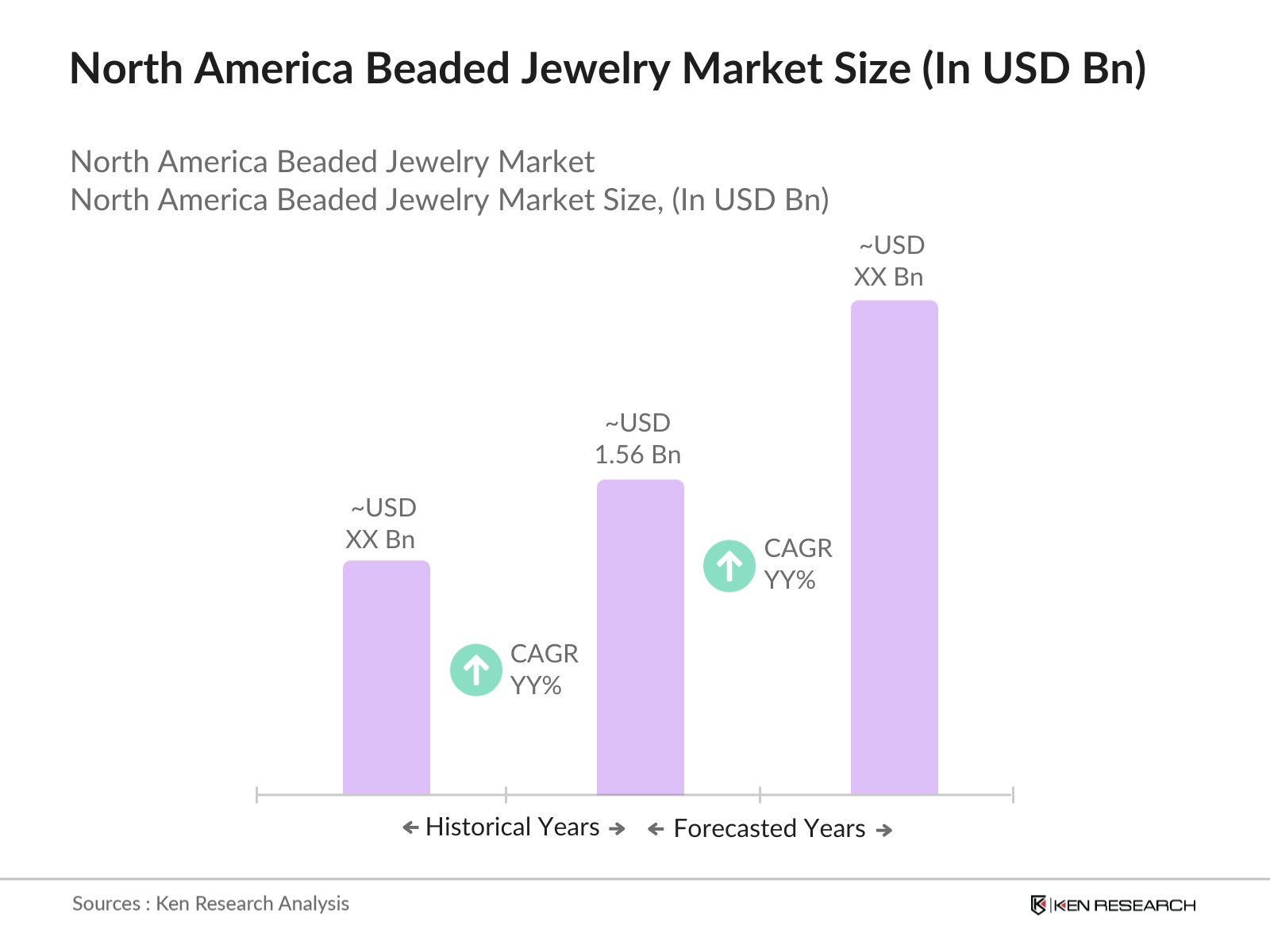
Over the next five years, the North America Beaded Jewelry industry is anticipated to experience steady growth driven by evolving consumer preferences for sustainable and unique jewelry pieces.
|
Product Type |
Necklaces |
|
Material |
Plastic |
|
End-User |
Women |
|
Distribution Channel |
Online |
|
Region |
United States |
1.1. Definition and Scope
1.2. Market Taxonomy
1.3. Market Growth Rate
1.4. Market Segmentation Overview
2.1. Historical Market Size
2.2. Year-On-Year Growth Analysis
2.3. Key Market Developments and Milestones
3.1. Growth Drivers
3.1.1. Rising Fashion Consciousness
3.1.2. Increasing Disposable Income
3.1.3. Popularity of Handmade and Artisanal Products
3.1.4. Expansion of E-commerce Platforms
3.2. Market Challenges
3.2.1. Fluctuating Raw Material Prices
3.2.2. Competition from Mass-Produced Jewelry
3.2.3. Supply Chain Disruptions
3.3. Opportunities
3.3.1. Sustainable and Ethical Practices
3.3.2. Customization and Personalization Trends
3.3.3. Emerging Markets and Demographics
3.4. Trends
3.4.1. Adoption of Sustainable Materials
3.4.2. Influence of Social Media and Influencers
3.4.3. Integration of Technology in Design and Production
3.5. Government Regulations
3.5.1. Trade Policies and Tariffs
3.5.2. Environmental Regulations
3.5.3. Labor Laws and Fair Trade Practices
3.6. SWOT Analysis
3.7. Stakeholder Ecosystem
3.8. Porter's Five Forces Analysis
3.9. Competitive Landscape
4.1. By Product Type (In Value %)
4.1.1. Necklaces
4.1.2. Bracelets
4.1.3. Rings
4.1.4. Earrings
4.2. By Material (In Value %)
4.2.1. Plastic
4.2.2. Glass
4.2.3. Metal
4.2.4. Others
4.3. By End-User (In Value %)
4.3.1. Women
4.3.2. Men
4.4. By Distribution Channel (In Value %)
4.4.1. Online
4.4.2. Offline
4.5. By Region (In Value %)
4.5.1. United States
4.5.2. Canada
4.5.3. Mexico
5.1. Detailed Profiles of Major Companies
5.1.1. Pandora A/S
5.1.2. Swarovski AG
5.1.3. Etsy, Inc.
5.1.4. Chamilia LLC
5.1.5. Tiffany & Co.
5.1.6. Signet Jewelers Ltd.
5.1.7. LVMH Moët Hennessy Louis Vuitton
5.1.8. Richemont SA
5.1.9. Kendra Scott LLC
5.1.10. Alex and Ani, LLC
5.1.11. David Yurman Enterprises LLC
5.1.12. Chow Tai Fook Jewellery Group
5.1.13. Blue Nile, Inc.
5.1.14. James Avery Artisan Jewelry
5.1.15. Zales Corporation
5.2. Cross Comparison Parameters (Number of Employees, Headquarters, Inception Year, Revenue, Product Portfolio, Market Presence, Online Presence, Sustainability Initiatives)
5.3. Market Share Analysis
5.4. Strategic Initiatives
5.5. Mergers and Acquisitions
5.6. Investment Analysis
5.7. Venture Capital Funding
5.8. Government Grants
5.9. Private Equity Investments
6.1. Environmental Standards
6.2. Compliance Requirements
6.3. Certification Processes
7.1. Future Market Size Projections
7.2. Key Factors Driving Future Market Growth
8.1. By Product Type (In Value %)
8.2. By Material (In Value %)
8.3. By End-User (In Value %)
8.4. By Distribution Channel (In Value %)
8.5. By Region (In Value %)
9.1. Total Addressable Market (TAM), Serviceable Available Market (SAM), Serviceable Obtainable Market (SOM) Analysis
9.2. Customer Cohort Analysis
9.3. Marketing Initiatives
9.4. White Space Opportunity Analysis
This initial phase involves constructing an ecosystem map of the North America Beaded Jewelry Market, identifying major stakeholders and primary growth variables. Through secondary research and industry analysis, critical factors influencing market growth are identified.
In this phase, historical data is compiled and analyzed to assess trends, segment dominance, and revenue generation. Secondary sources are combined with proprietary databases to construct an accurate picture of market dynamics.
Key market hypotheses are validated through industry expert interviews, utilizing telephone and online discussions with leaders in the jewelry industry. This ensures a comprehensive understanding of market trends, consumer behavior, and operational insights.
The final phase synthesizes all data collected, combining insights from key players and verified sources. This approach provides a holistic view, ensuring a thorough analysis of the North America Beaded Jewelry market.
The North America Beaded Jewelry market is valued at USD 1.56 billion, driven by rising consumer interest in artisanal and customized jewelry, as well as the expansion of online retail platforms.
Challenges in the North America Beaded Jewelry market include competition from mass-produced jewelry, fluctuations in raw material costs, and supply chain disruptions, impacting the availability and cost of materials.
Key players in the North America Beaded Jewelry market include Pandora A/S, Swarovski AG, Kendra Scott LLC, Alex and Ani, and Blue Nile, Inc., known for their strong brand presence and extensive distribution networks.
Growth in the North America Beaded Jewelry market is propelled by factors such as consumer preference for sustainable and handmade products, advancements in online retail, and increased customization options.

What makes us stand out is that our consultants follows Robust, Refine and Result (RRR) methodology. i.e. Robust for clear definitions, approaches and sanity checking, Refine for differentiating respondents facts and opinions and Result for presenting data with story

We have set a benchmark in the industry by offering our clients with syndicated and customized market research reports featuring coverage of entire market as well as meticulous research and analyst insights.

While we don't replace traditional research, we flip the method upside down. Our dual approach of Top Bottom & Bottom Top ensures quality deliverable by not just verifying company fundamentals but also looking at the sector and macroeconomic factors.

With one step in the future, our research team constantly tries to show you the bigger picture. We help with some of the tough questions you may encounter along the way: How is the industry positioned? Best marketing channel? KPI's of competitors? By aligning every element, we help maximize success.

Our report gives you instant access to the answers and sources that other companies might choose to hide. We elaborate each steps of research methodology we have used and showcase you the sample size to earn your trust.

If you need any support, we are here! We pride ourselves on universe strength, data quality, and quick, friendly, and professional service.