
North America Flow Cytometry Market Outlook to 2030
Region:Mexico
Author(s):Naman Rohilla
Product Code:KROD3436
Region:Mexico
Author(s):Naman Rohilla
Product Code:KROD3436
November 2024
96
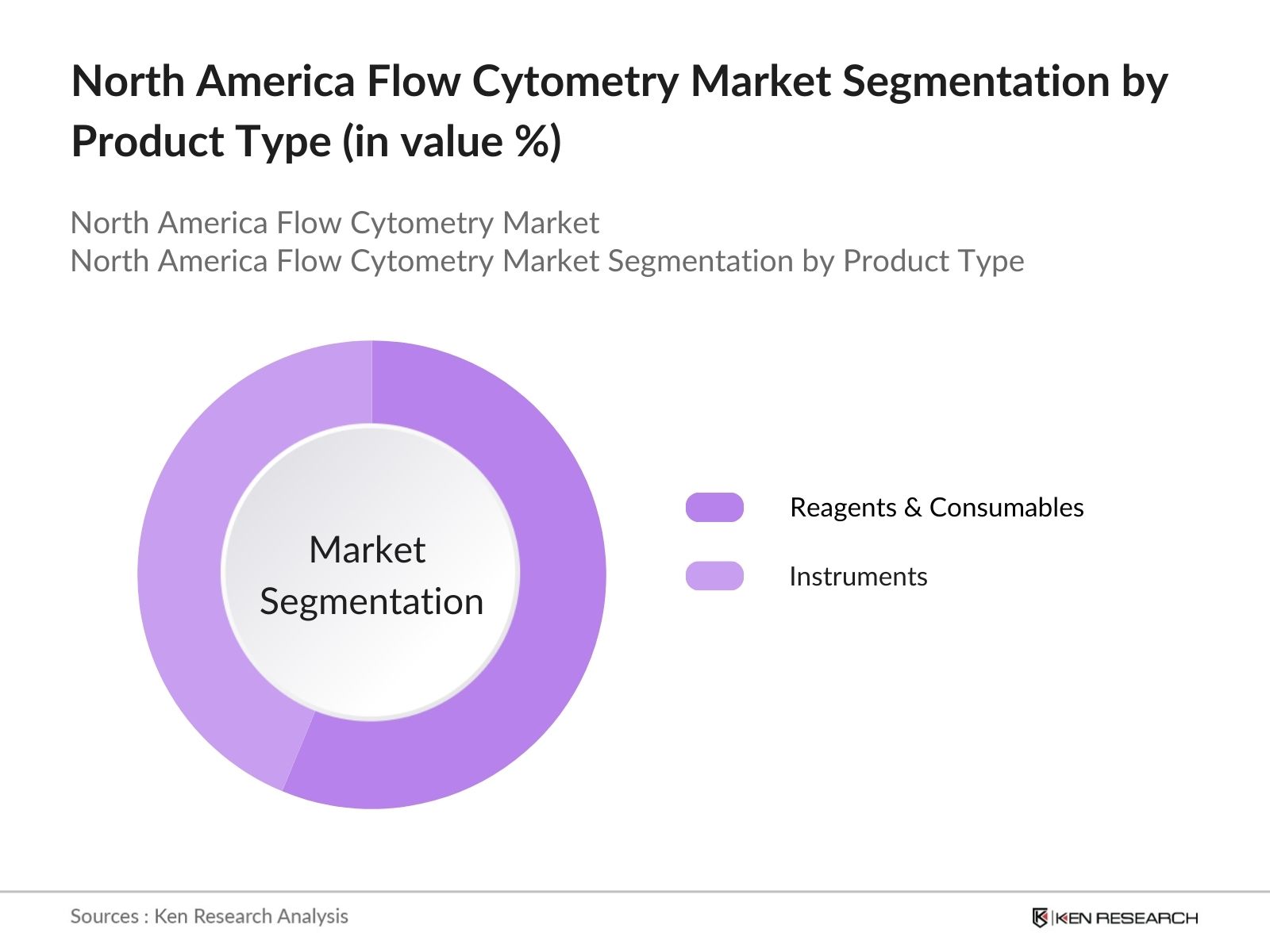
By Product Type: The North America flow cytometry market is segmented by product type into reagents & consumables and instruments. Recently, reagents & consumables hold the dominant market share due to their indispensable role in flow cytometry workflows. The recurring need for consumables in research and clinical applications drives this segment's growth, ensuring a steady demand. Additionally, continuous innovations in reagents, particularly for cancer diagnostics, have further cemented this sub-segments dominance.
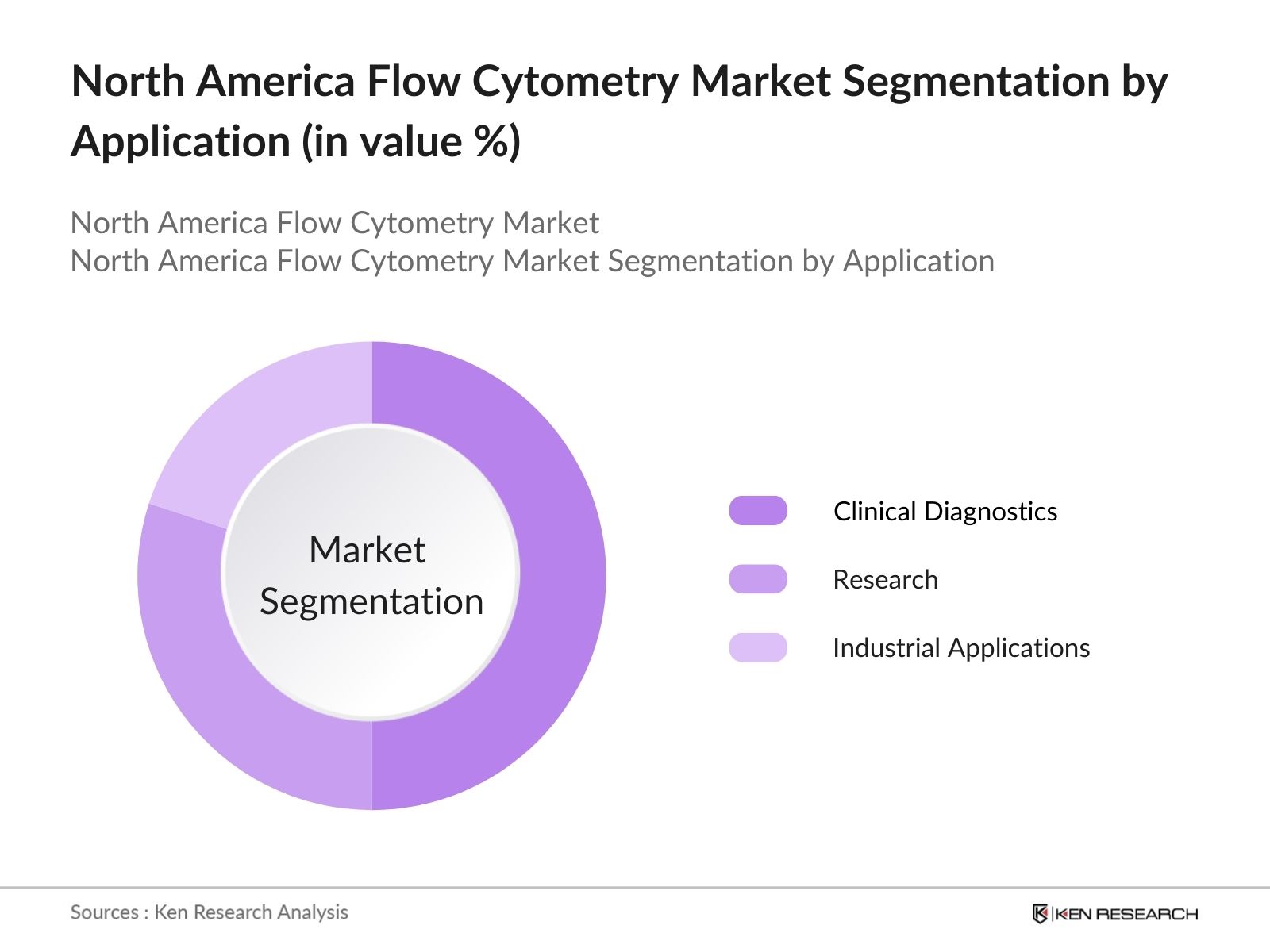
By Application: The market is also segmented by application into research, clinical diagnostics, and industrial applications. Clinical diagnostics holds a notable market share owing to the increasing use of flow cytometry in detecting hematologic cancers and immune system disorders. The high prevalence of cancer and advancements in immunophenotyping techniques have propelled the adoption of flow cytometry in clinical labs. This applications prominence is further amplified by the technologys role in disease management, offering efficient tools for personalized treatment strategies.
The North America flow cytometry market is led by major players such as Becton Dickinson, Beckman Coulter, and Thermo Fisher Scientific. Their dominance stems from robust R&D investments, the introduction of cutting-edge products, and strategic partnerships. These companies offer diverse product portfolios, catering to both clinical and research settings, which enhances their competitive standing in the market.
|
Company Name |
Established |
Headquarters |
Revenue (USD) |
R&D Investment (USD) |
Product Portfolio |
Strategic Initiatives |
New Product Launches |
|
Becton Dickinson |
1897 |
Franklin Lakes, NJ, USA |
- |
- |
- |
- |
- |
|
Beckman Coulter |
1935 |
Brea, CA, USA |
- |
- |
- |
- |
- |
|
Thermo Fisher Scientific |
1956 |
Waltham, MA, USA |
- |
- |
- |
- |
- |
|
Bio-Rad Laboratories |
1952 |
Hercules, CA, USA |
- |
- |
- |
- |
- |
|
Luminex Corporation |
1995 |
Austin, TX, USA |
- |
- |
- |
- |
- |
Over the next five years, the North America flow cytometry market is expected to experience robust growth, driven by continuous technological advancements, expanding clinical applications, and rising demand for personalized medicine. The increasing prevalence of cancer and other chronic diseases will further boost the adoption of flow cytometry tools in clinical diagnostics and research. Moreover, government investments in healthcare infrastructure and collaborations between research institutes and industry leaders will pave the way for new product innovations and market expansion.
|
By Technology |
Cell-Based Bead-Based |
|
By Product |
Reagents & Consumables Instruments |
|
By Application |
Clinical Diagnostics Research Industrial Applications (Food Safety, Environmental Monitoring) |
|
By End-User |
Clinical Testing Labs Research Institutions Commercial Organizations |
|
By Country |
United States Canada Rest of North America |
1.1. Definition and Scope
1.2. Market Taxonomy
1.3. Market Growth Rate
1.4. Market Segmentation Overview
2.1. Historical Market Size
2.2. Current Market Size
2.3. Year-On-Year Growth Analysis
2.4. Key Market Developments and Milestones
3.1. Growth Drivers
3.1.1. Rising Prevalence of Chronic Diseases (Cancer, Autoimmune Disorders)
3.1.2. Technological Advancements in Cytometry Instruments (Multicolor & AI-integrated Systems)
3.1.3. Increasing R&D Investments in Biotechnology and Pharmaceuticals
3.2. Market Challenges
3.2.1. High Cost of Flow Cytometry Instruments and Maintenance
3.2.2. Lack of Skilled Technicians for Advanced Instruments
3.3. Opportunities
3.3.1. Increasing Applications in Food Safety, Environmental Monitoring, and Industrial Sectors
3.3.2. Rising Adoption in Academic and Research Institutions for New Therapeutic Development
3.4. Trends
3.4.1. Growing Use of Flow Cytometry in Immunotherapy and CAR-T Cell Research
3.4.2. Expansion of High-Throughput and Automation Systems
3.5. Government Regulations
3.5.1. FDA Regulations for Cytometry in Clinical Trials
3.5.2. Reimbursement Policies for Diagnostics (Medicare, Medicaid)
3.6. SWOT Analysis
3.7. Stake Ecosystem
3.8. Porters Five Forces Analysis
3.9. Competitive Landscape Overview
4.1. By Technology (In Value %)
4.1.1. Cell-Based
4.1.2. Bead-Based
4.2. By Product (In Value %)
4.2.1. Reagents & Consumables
4.2.2. Instruments
4.3. By Application (In Value %)
4.3.1. Clinical Diagnostics
4.3.2. Research
4.3.3. Industrial (Food Safety, Environmental Monitoring)
4.4. By End-User (In Value %)
4.4.1. Research Institutions
4.4.2. Clinical Testing Labs
4.4.3. Commercial Organizations
4.5. By Country (In Value %)
4.5.1. United States
4.5.2. Canada
4.5.3. Rest of North America
5.1. Detailed Profiles of Major Companies
5.1.1. Becton, Dickinson and Company (BD)
5.1.2. Thermo Fisher Scientific
5.1.3. Beckman Coulter
5.1.4. Luminex Corporation
5.1.5. Bio-Rad Laboratories
5.1.6. Sysmex Partec GmbH
5.1.7. Merck KGaA
5.1.8. Sony Biotechnology
5.1.9. Miltenyi Biotec
5.1.10. Agilent Technologies
5.1.11. Affymetrix, Inc.
5.1.12. EMD Millipore Corporation
5.1.13. Danaher Corporation
5.1.14. BioLegend
5.1.15. ACEA Biosciences
5.2. Cross Comparison Parameters (Revenue, Market Share, New Product Launches, Collaborations)
5.3. Market Share Analysis
5.4. Strategic Initiatives (Mergers, Acquisitions, Collaborations)
5.5. Venture Capital Funding and Investments
6.1. FDA Compliance for Cytometry in Clinical Settings
6.2. ISO Certifications for Lab Equipment
6.3. Reimbursement Regulations (Medicare and Medicaid)
7.1. Future Market Size Projections
7.2. Key Drivers for Future Market Growth
8.1. By Technology (In Value %)
8.2. By Product (In Value %)
8.3. By Application (In Value %)
8.4. By End-User (In Value %)
8.5. By Country (In Value %)
9.1. Market Penetration Strategy
9.2. Key Opportunities for Product Innovation
9.3. Customer Retention Strategies
This step involves mapping out the entire ecosystem of the North America Flow Cytometry Market. We conduct comprehensive desk research using proprietary databases and secondary data sources to identify the main stakeholders and variables influencing market dynamics.
We gather and analyze historical data to build models that estimate the current market size, market penetration rates, and potential revenue streams. This process includes comparing service quality, product efficacy, and technological innovation within the market.
Market hypotheses are tested through consultations with key industry experts and stakeholders. These insights help refine the market data and provide operational context for the projected growth figures.
Engaging with flow cytometry manufacturers and laboratories provides further insights into product segments, end-user preferences, and technological adoption. This ensures that our report delivers a complete, validated analysis of the market.
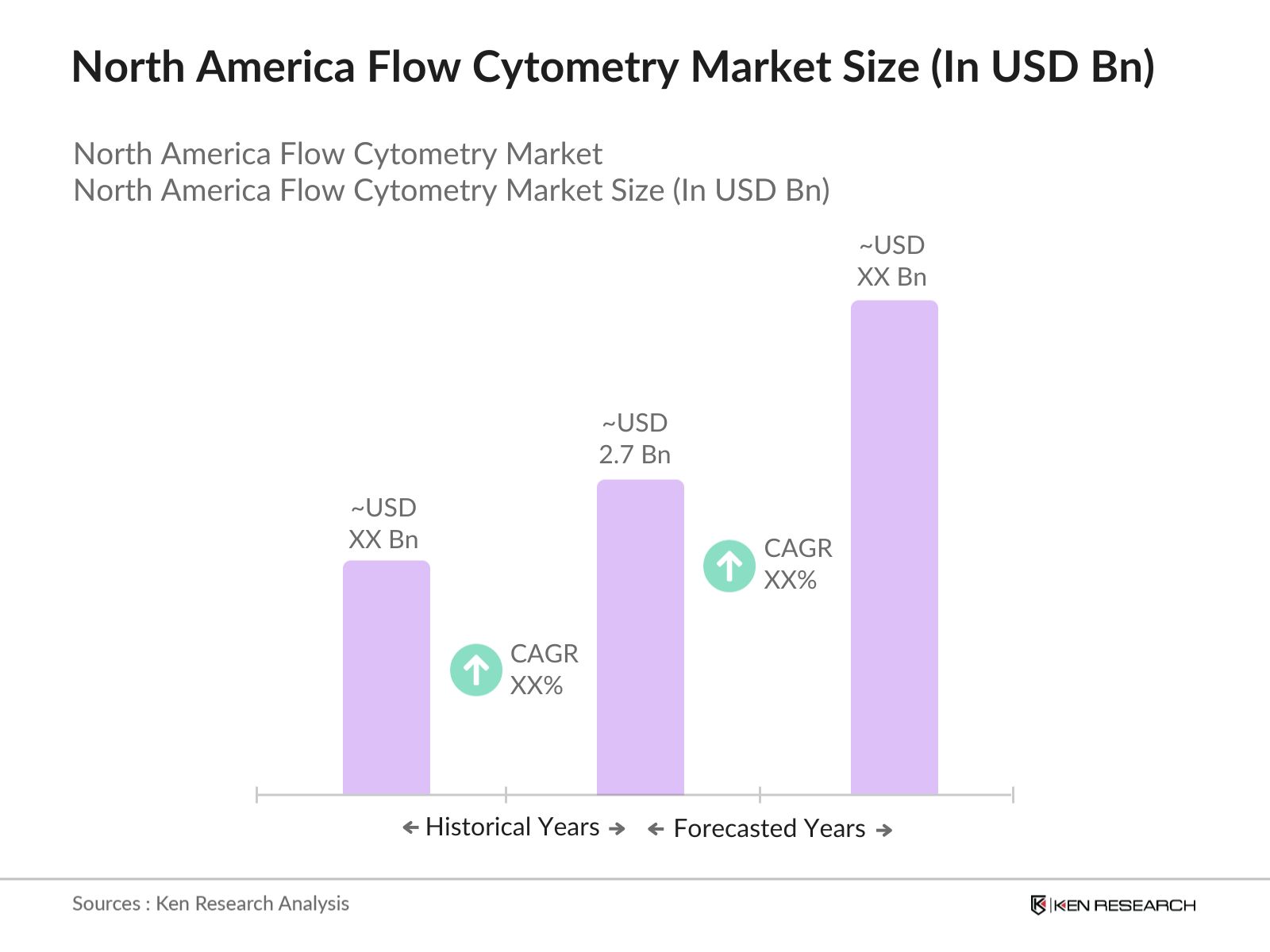
The North America flow cytometry market is valued at USD 2.7 billion, driven by the rising demand for advanced diagnostic tools and growing investment in clinical research.
Key drivers include the rising prevalence of cancer and autoimmune diseases, technological advancements in cytometry instruments, and increasing R&D investments in biotechnology and pharmaceutical sectors.
Key players include Becton Dickinson, Beckman Coulter, Thermo Fisher Scientific, Bio-Rad Laboratories, and Luminex Corporation, who dominate due to their expansive product portfolios and innovative technologies.
Challenges include the high cost of instruments, maintenance, and a shortage of skilled professionals capable of handling advanced cytometry technologies.

What makes us stand out is that our consultants follows Robust, Refine and Result (RRR) methodology. i.e. Robust for clear definitions, approaches and sanity checking, Refine for differentiating respondents facts and opinions and Result for presenting data with story

We have set a benchmark in the industry by offering our clients with syndicated and customized market research reports featuring coverage of entire market as well as meticulous research and analyst insights.

While we don't replace traditional research, we flip the method upside down. Our dual approach of Top Bottom & Bottom Top ensures quality deliverable by not just verifying company fundamentals but also looking at the sector and macroeconomic factors.

With one step in the future, our research team constantly tries to show you the bigger picture. We help with some of the tough questions you may encounter along the way: How is the industry positioned? Best marketing channel? KPI's of competitors? By aligning every element, we help maximize success.

Our report gives you instant access to the answers and sources that other companies might choose to hide. We elaborate each steps of research methodology we have used and showcase you the sample size to earn your trust.

If you need any support, we are here! We pride ourselves on universe strength, data quality, and quick, friendly, and professional service.