
North America Pet Clothing Market Outlook to 2030
Region:United States
Author(s):Sanjna
Product Code:KROD4814
Region:United States
Author(s):Sanjna
Product Code:KROD4814
December 2024
96
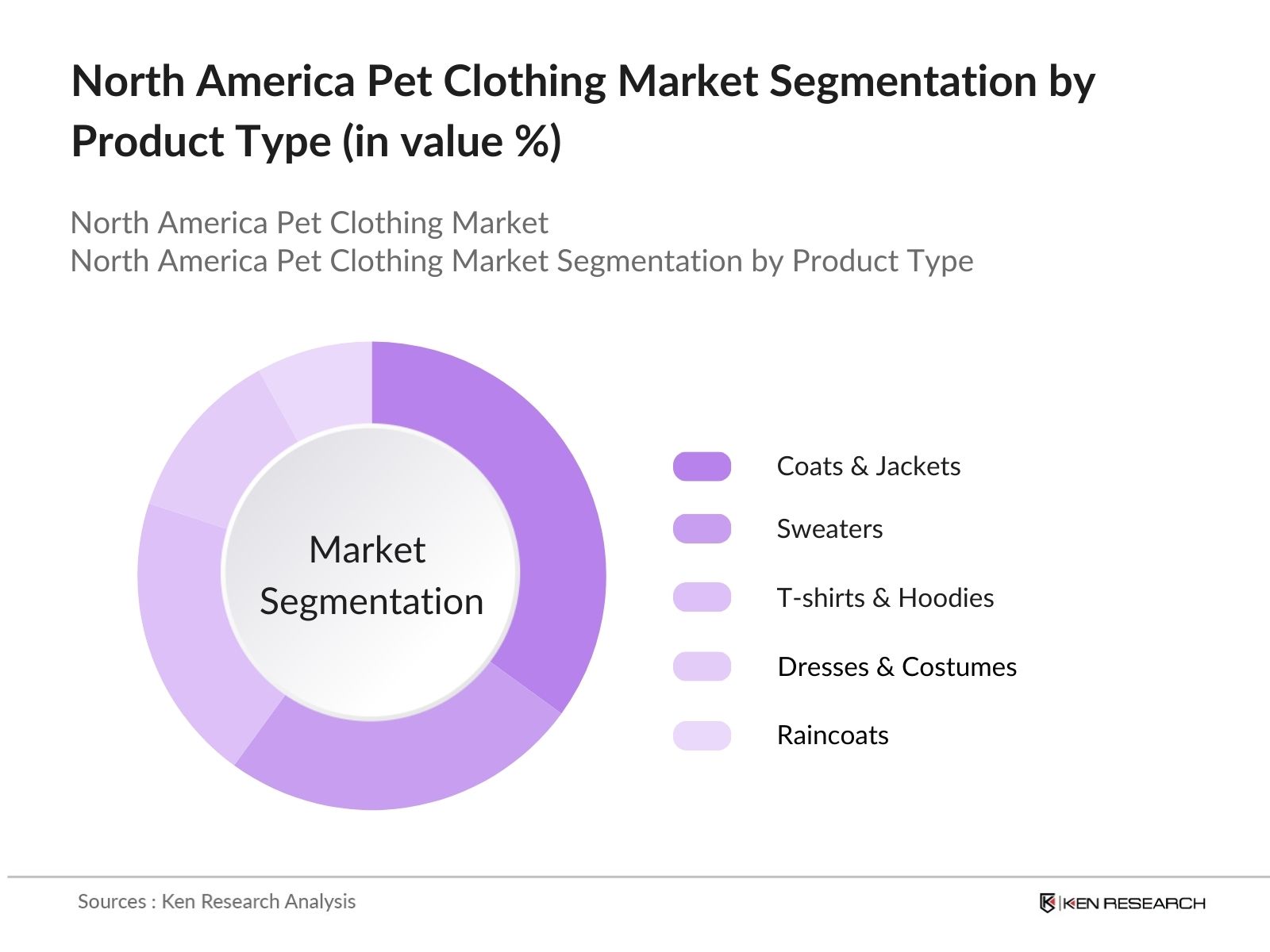
By Product Type: The North America pet clothing market is segmented by product type into coats & jackets, sweaters, T-shirts & hoodies, dresses & costumes, and raincoats. Coats & jackets dominate the market under this segmentation due to their functional benefits in protecting pets during cold weather. In regions where the climate varies significantly, pet owners prefer to invest in practical clothing that ensures their pets remain comfortable and healthy. Additionally, jackets with built-in reflective elements have gained popularity as they offer safety benefits for outdoor activities during the evening or early morning.
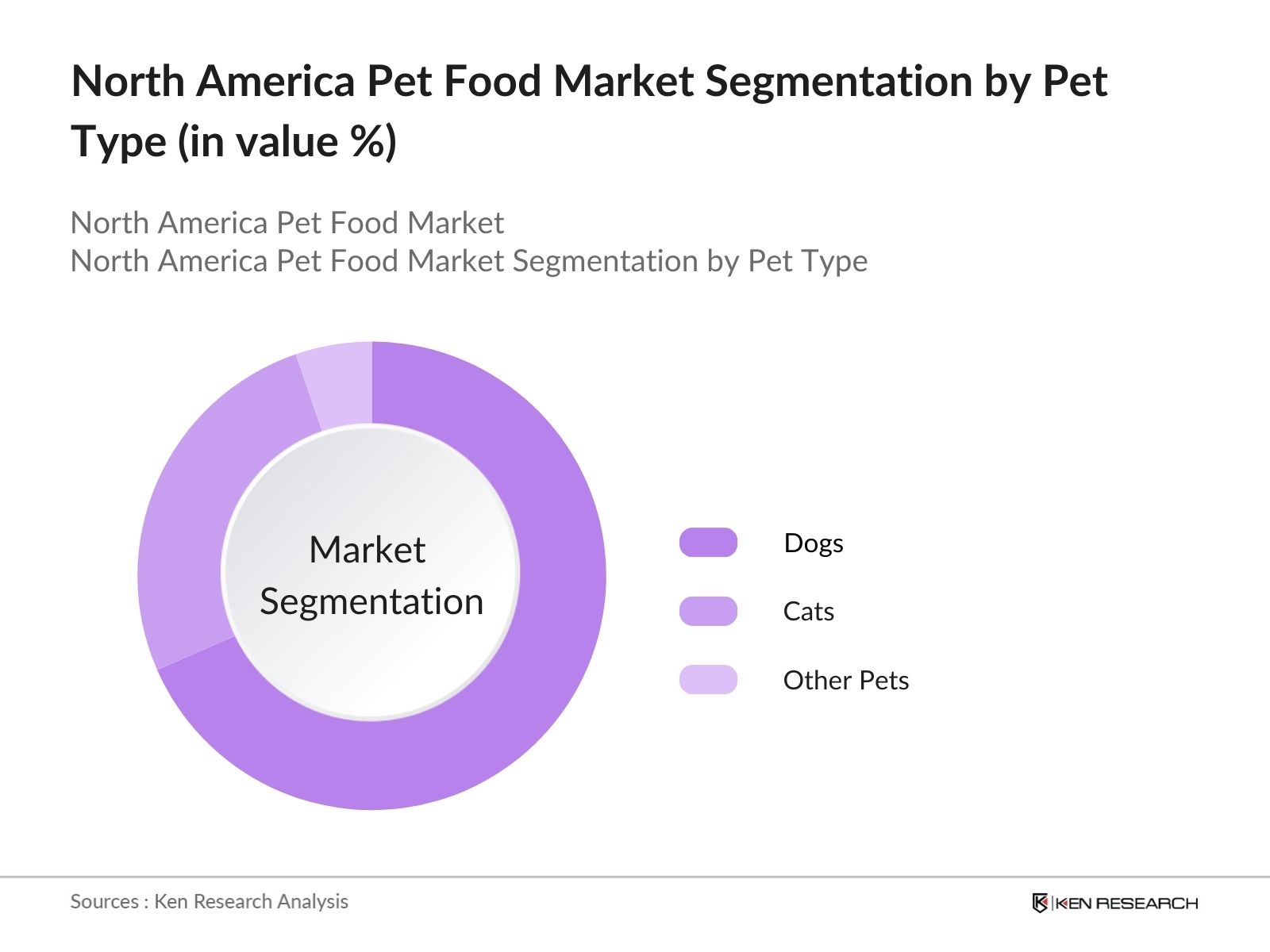
By Pet Type: The market is also segmented by pet type, covering dogs, cats, and other small pets. Dogs hold the dominant market share in this segment due to their larger size and variety, requiring more clothing options than smaller animals like cats. Pet owners are also more inclined to dress dogs in various attire, including functional and fashionable pieces, for special occasions, outdoor activities, or everyday wear. Cats, though less frequently dressed by owners, are increasingly included in the market as interest in feline fashion rises.
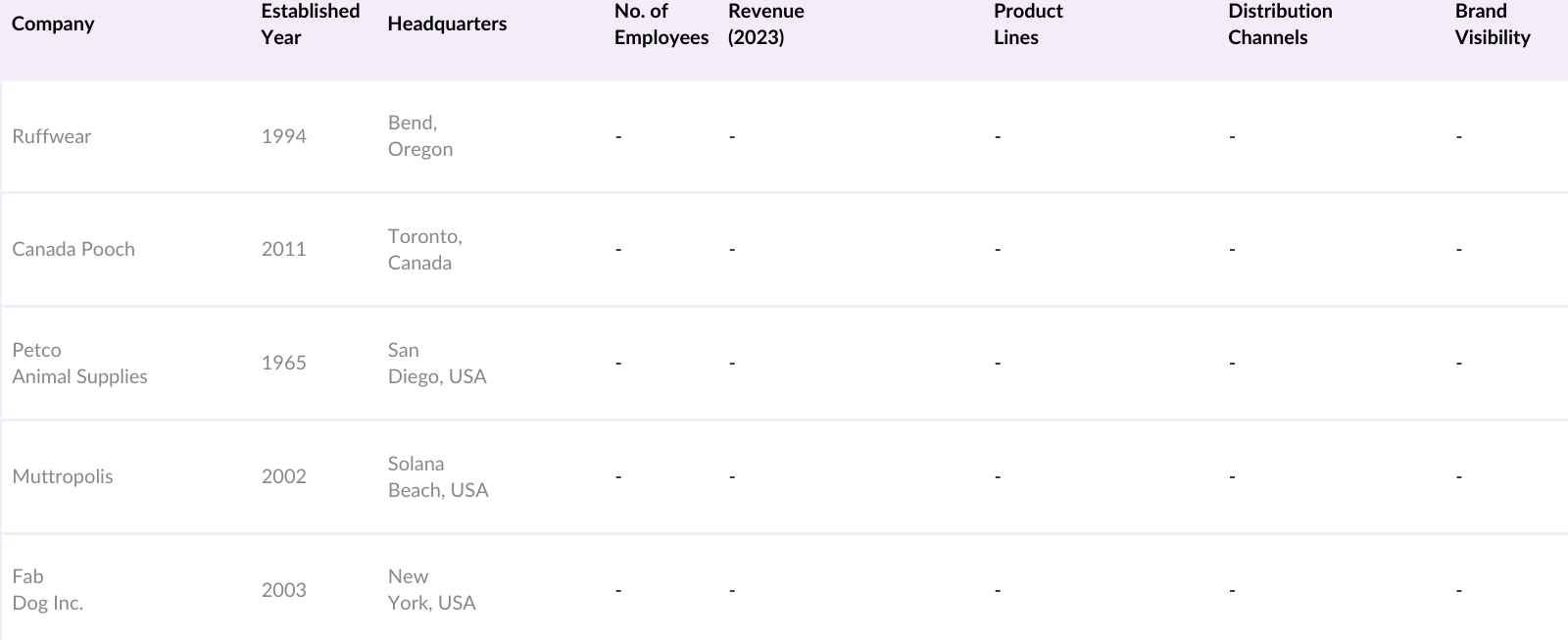
The North America pet clothing market is dominated by several key players that have established strong brand loyalty and a diversified product portfolio. The market includes a mix of traditional pet apparel brands and lifestyle brands that have expanded into the pet sector, ensuring a competitive market dynamic. The North American market features a consolidation of established brands with strong retail and e-commerce distribution networks, enabling these companies to cater to both online and offline customers. The increased demand for premium and sustainable pet clothing has driven these players to innovate and expand their product lines to maintain market leadership.
North America pet clothing market is expected to show substantial growth driven by evolving consumer preferences, increased pet adoption, and advancements in smart pet clothing. Brands are focusing on developing eco-friendly materials and incorporating technology into pet apparel, such as GPS tracking and temperature control features. Furthermore, the rise of pet influencers on social media platforms is expected to propel the demand for fashionable and trendy pet clothing, as owners seek to replicate styles showcased by popular pets online.
|
Segment |
Sub-segments |
|
By Product Type |
Coats & Jackets Sweaters T-shirts & Hoodies Dresses & Costumes Raincoats |
|
By Pet Type |
Dogs Cats Other Small Pets |
|
By Material Type |
Cotton Wool Polyester Synthetic Recycled Materials |
|
By Distribution Channel |
E-commerce Supermarkets/Hypermarkets Specialty Pet Stores Vet Clinics & Pet Spas |
|
By Price Range |
Economy Mid-Rang Premium |
1.1. Definition and Scope
1.2. Market Taxonomy
1.3. Market Growth Rate
1.4. Market Segmentation Overview
2.1. Historical Market Size
2.2. Year-On-Year Growth Analysis
2.3. Key Market Developments and Milestones
3.1. Growth Drivers (Pet Ownership Rates, Humanization of Pets, Fashion Trends, Premiumization of Pet Products)
3.1.1. Rise in Pet Ownership
3.1.2. Increasing Spending on Pet Fashion
3.1.3. Emergence of Pet Fashion Weeks and Events
3.1.4. Growing Trend of Pet Influencers on Social Media
3.2. Market Challenges (Product Pricing, Limited Customization, Regulatory Constraints)
3.2.1. High Production Costs
3.2.2. Counterfeit Products Impacting Brand Reputation
3.2.3. Seasonal Demand Fluctuations
3.3. Opportunities (E-commerce Growth, Customization, Eco-friendly Products, Technological Innovations in Fabrics)
3.3.1. Expansion of Direct-to-Consumer Channels
3.3.2. Sustainability Initiatives in Materials
3.3.3. Increasing Adoption of Subscription-based Models
3.4. Trends (Sustainable Materials, Designer Collaborations, Personalization, Smart Pet Clothing)
3.4.1. Increasing Demand for Organic and Recycled Fabrics
3.4.2. Collaborations with High-End Fashion Designers
3.4.3. Customizable Pet Clothing Options
3.4.4. Integration of Wearable Technology in Pet Clothing
3.5. Regulatory Environment (Labeling Requirements, Import Restrictions, Animal Welfare Regulations)
3.5.1. Federal Trade Commission (FTC) Guidelines
3.5.2. Animal Welfare Act (AWA) Considerations
3.5.3. Import Tariffs and Custom Regulations
3.6. SWOT Analysis
3.7. Stakeholder Ecosystem
3.8. Porters Five Forces
3.9. Competitive Landscape
1. By Product Type (In Value %)
4.1.1. Coats & Jackets
4.1.2. Sweaters
4.1.3. T-shirts & Hoodies
4.1.4. Dresses & Costumes
4.1.5. Raincoats
4.2. By Pet Type (In Value %)
4.2.1. Dogs
4.2.2. Cats
4.2.3. Other Small Pets
4.3. By Material Type (In Value %)
4.3.1. Cotton
4.3.2. Wool
4.3.3. Polyester
4.3.4. Synthetic
4.3.5. Recycled Materials
4.4. By Distribution Channel (In Value %)
4.4.1. E-commerce
4.4.2. Supermarkets/Hypermarkets
4.4.3. Specialty Pet Stores
4.4.4. Vet Clinics & Pet Spas
4.5. By Price Range (In Value %)
4.5.1. Economy
4.5.2. Mid-Range
4.5.3. Premium
5.1 Detailed Profiles of Major Companies
5.1.1. Ruffwear
5.1.2. Canada Pooch
5.1.3. Petco Animal Supplies
5.1.4. Muttropolis
5.1.5. Fab Dog Inc.
5.1.6. Pet Life
5.1.7. Blueberry Pet
5.1.8. Hurtta
5.1.9. Doggie Design
5.1.10. Chilly Dog Sweaters
5.2 Cross Comparison Parameters (No. of Employees, Headquarters, Inception Year, Revenue, Product Portfolio Breadth, Market Penetration, Brand Visibility, Strategic Alliances)
5.3. Market Share Analysis
5.4. Strategic Initiatives (Product Launches, Marketing Campaigns, Collaborations)
5.5. Mergers And Acquisitions
5.6. Investment Analysis (Private Equity, Venture Capital)
5.7. Government Subsidies and Support
5.8. E-commerce Investment Surge
6.1. Textile Fiber Product Identification Act (TFPIA)
6.2. Country of Origin Labeling (COOL)
6.3. Safety Standards for Pet Products
6.4. Trade Agreements and Tariff Regulations
7.1. Future Market Size Projections
7.2. Key Factors Driving Future Market Growth
8.1. By Product Type (In Value %)
8.2. By Pet Type (In Value %)
8.3. By Material Type (In Value %)
8.4. By Distribution Channel (In Value %)
8.5. By Region (In Value %)
9.1. TAM/SAM/SOM Analysis
9.2. White Space Opportunity Analysis
9.3. Market Entry Strategies
9.4. Product Innovation Recommendations
Disclaimer Contact UsThe first phase of research involved constructing a detailed market map that included all the key stakeholders in the North American Pet Clothing Market. This step relied on extensive desk research using secondary databases to identify the variables that influence market dynamics, including consumer spending trends, distribution channels, and product categories.
Historical data on the pet clothing market was analyzed to assess market penetration, product sales, and consumer demand. This analysis also reviewed the revenue generated from various sub-segments such as product type and distribution channels. The objective was to ensure accurate data representation of revenue estimates.
Market hypotheses regarding consumer preferences and product trends were validated through telephone interviews with key industry players, including manufacturers, retailers, and distributors. These expert consultations provided deeper insight into operational strategies and helped verify market trends.
The final phase of research included direct engagement with major brands and manufacturers to acquire detailed insights into product categories, sales performance, and future outlooks. This data was then synthesized to present a comprehensive and validated analysis of the North American Pet Clothing Market.
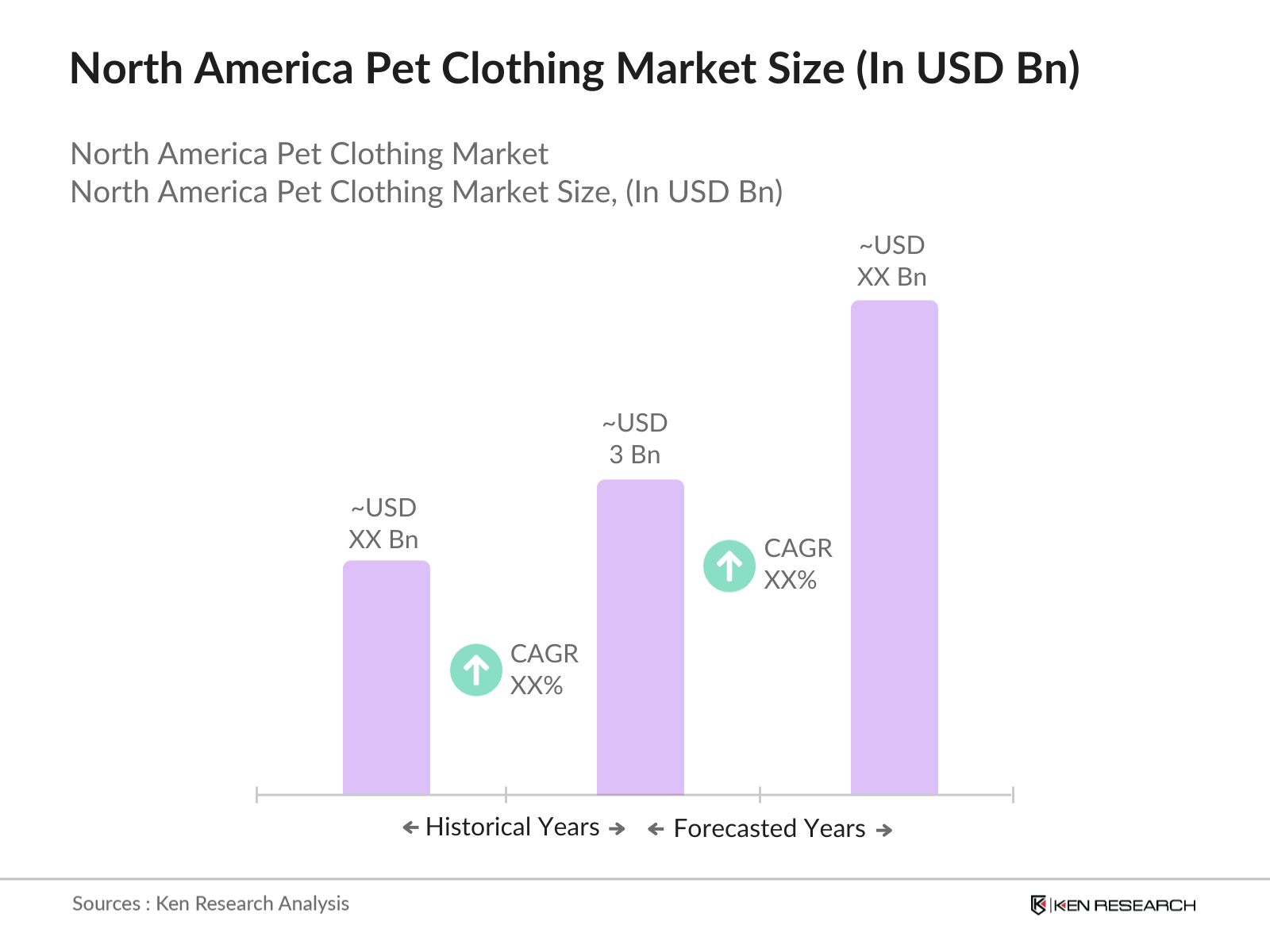
The North America Pet Clothing Market was valued at USD 3 billion and continues to grow due to increasing consumer spending on premium and fashionable pet apparel.
Challenges of North America Pet Clothing Market include high production costs, counterfeit products, and fluctuating seasonal demand, which impact both profitability and market stability.
Major players in North America Pet Clothing Market include Ruffwear, Canada Pooch, Petco Animal Supplies, and Muttropolis, all of whom maintain strong brand presence and distribution networks.
North America Pet Clothing Market is driven by the growing trend of pet humanization, increasing disposable income, and the rise of e-commerce platforms that allow for broader distribution of pet apparel.

What makes us stand out is that our consultants follows Robust, Refine and Result (RRR) methodology. i.e. Robust for clear definitions, approaches and sanity checking, Refine for differentiating respondents facts and opinions and Result for presenting data with story

We have set a benchmark in the industry by offering our clients with syndicated and customized market research reports featuring coverage of entire market as well as meticulous research and analyst insights.

While we don't replace traditional research, we flip the method upside down. Our dual approach of Top Bottom & Bottom Top ensures quality deliverable by not just verifying company fundamentals but also looking at the sector and macroeconomic factors.

With one step in the future, our research team constantly tries to show you the bigger picture. We help with some of the tough questions you may encounter along the way: How is the industry positioned? Best marketing channel? KPI's of competitors? By aligning every element, we help maximize success.

Our report gives you instant access to the answers and sources that other companies might choose to hide. We elaborate each steps of research methodology we have used and showcase you the sample size to earn your trust.

If you need any support, we are here! We pride ourselves on universe strength, data quality, and quick, friendly, and professional service.