
North America Plant Protein Ingredients Market Outlook to 2030
Region:United States
Author(s):Vijay Kumar
Product Code:KROD5024
Region:United States
Author(s):Vijay Kumar
Product Code:KROD5024
December 2024
80
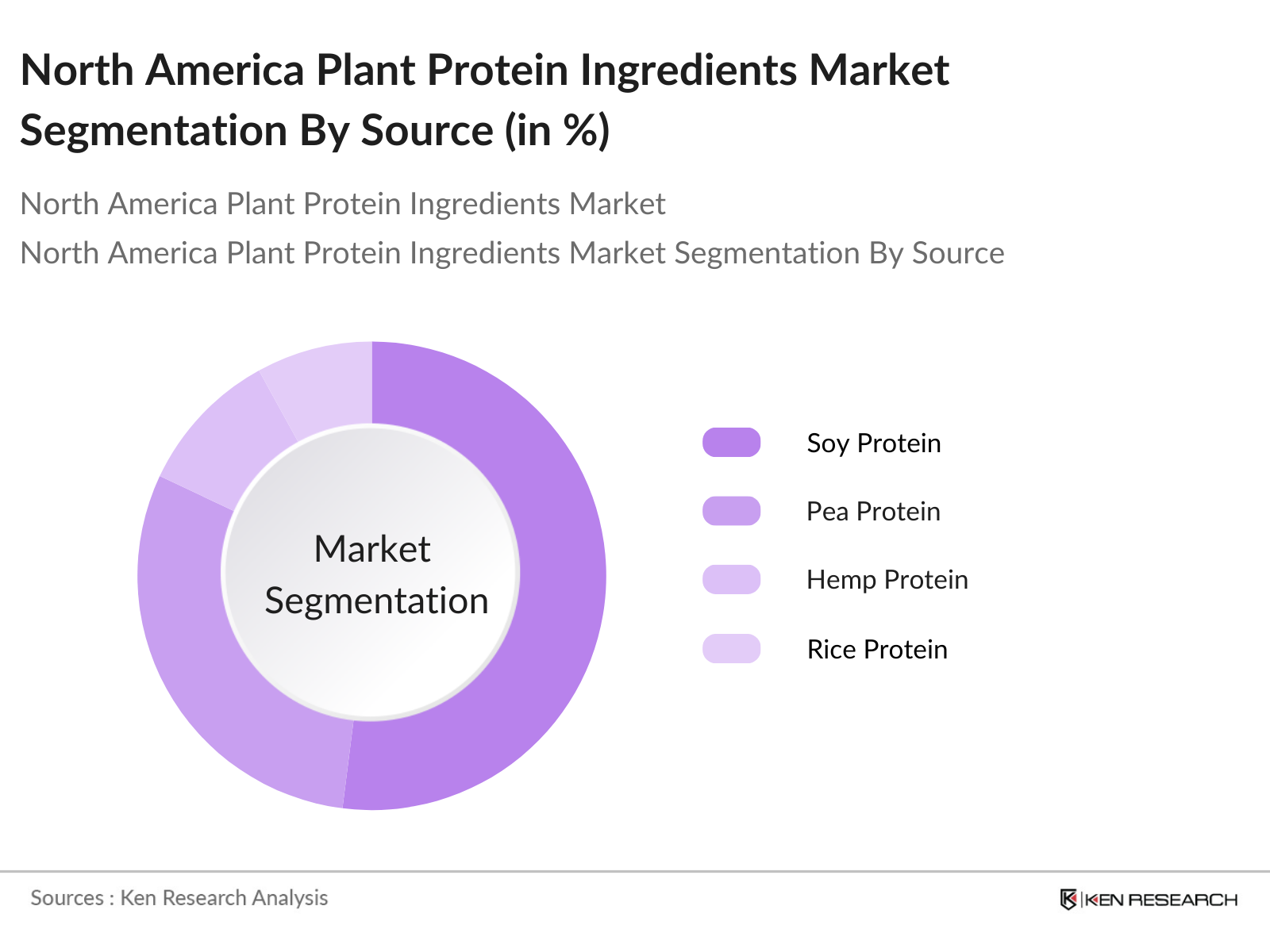
By Source: The North America Plant Protein Ingredients market is segmented by source into soy protein, pea protein, hemp protein, rice protein, and others (including chia, pumpkin seed, and lentil proteins). Soy protein currently holds a dominant market share, largely due to its long-standing use in the food industry and its high protein content. The extensive research backing soy's nutritional benefits has contributed to its sustained popularity, especially in the production of meat substitutes and protein supplements.
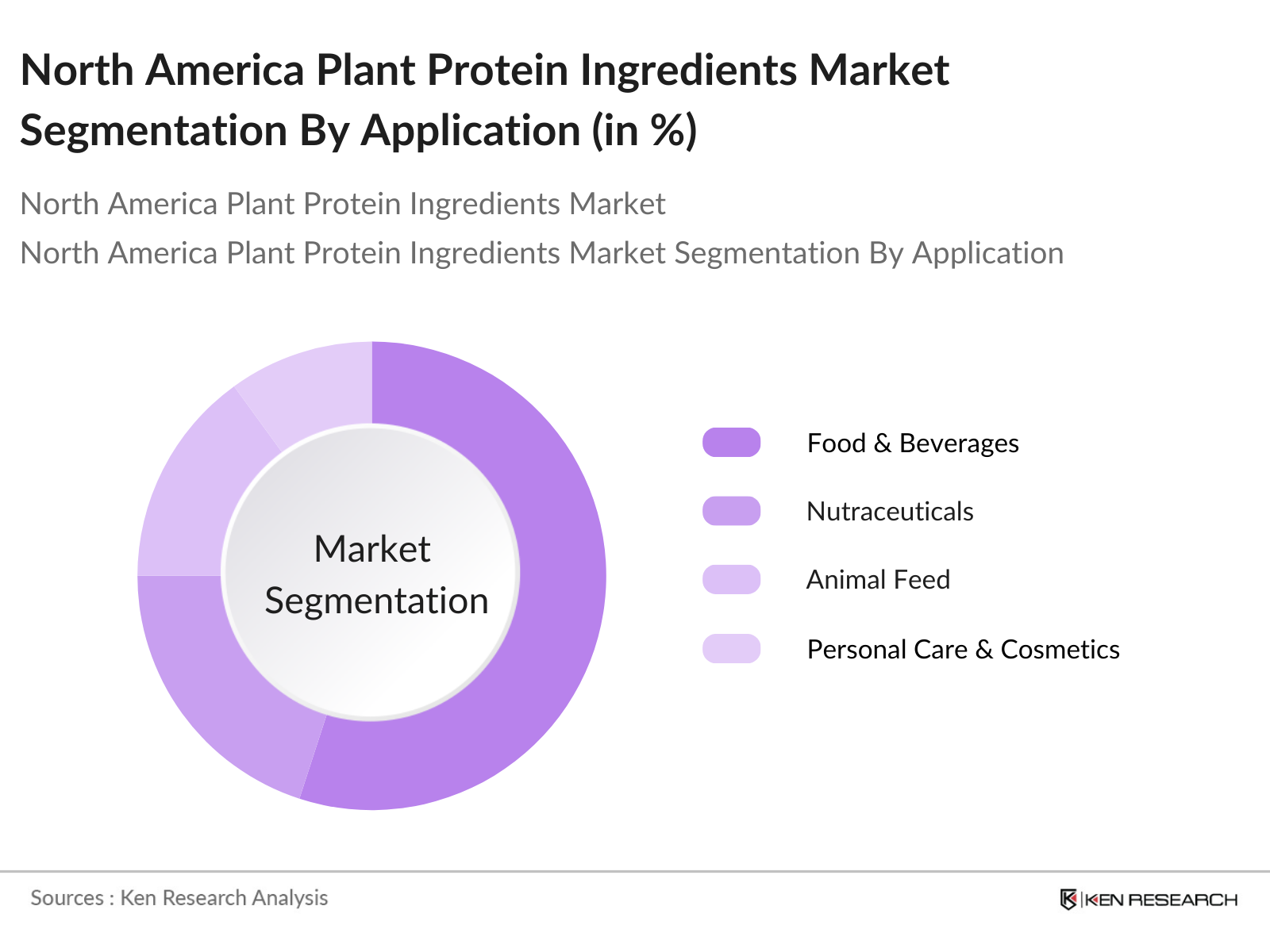
By Application: The market is also segmented by application into food & beverages, nutraceuticals, animal feed, and personal care & cosmetics. Food and beverages remain the largest application segment, driven by the increasing demand for plant-based meat alternatives, protein bars, and dairy substitutes. Consumers are now more concerned about environmental impact and animal welfare, leading to the massive adoption of plant protein ingredients in this sector.
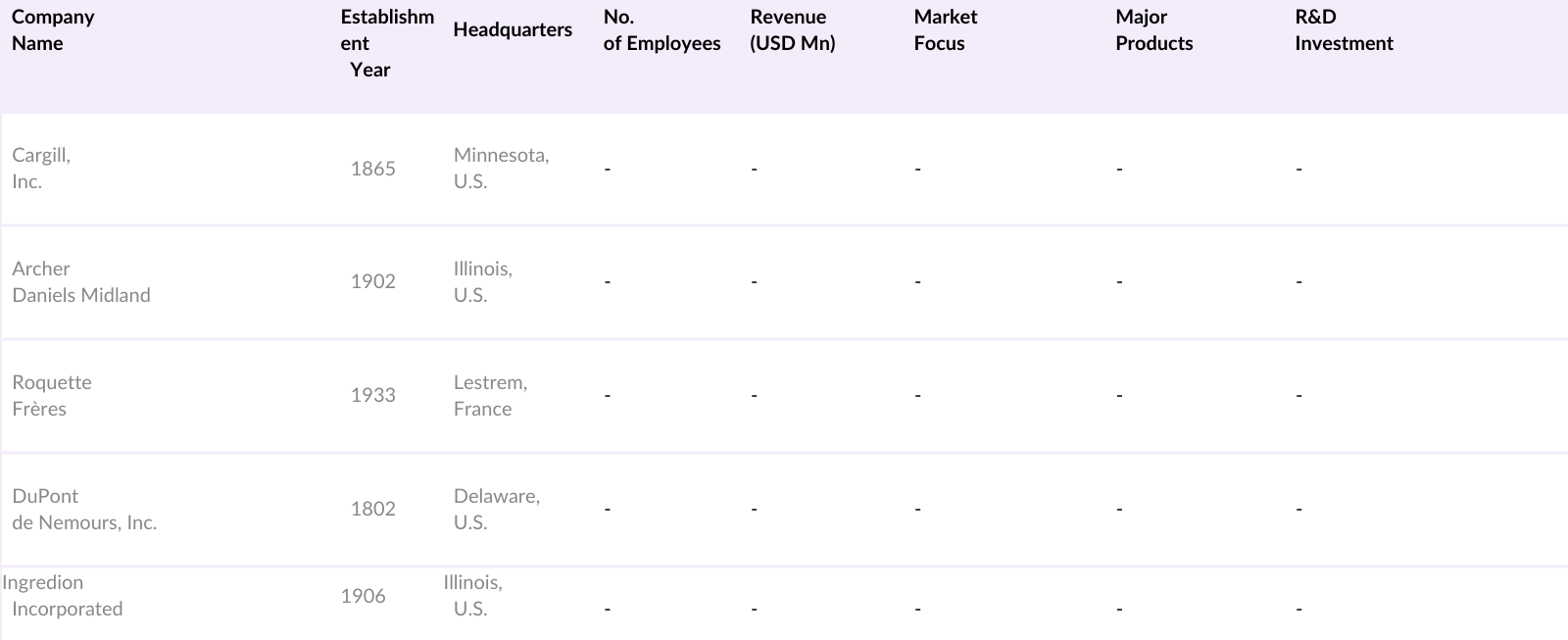
The North America Plant Protein Ingredients market is characterized by a consolidation of key players, with major food ingredient companies competing alongside smaller niche firms specializing in plant-based alternatives. Companies such as Cargill, ADM, and DuPont are leading the industry, leveraging their strong distribution networks and diversified product portfolios. These major companies focus on research and development to introduce new protein blends and improve the taste and texture of plant-based foods, addressing common consumer concerns.
Over the next five years, the North American Plant Protein Ingredients market is expected to experience sustained growth driven by rising consumer demand for sustainable, plant-based diets and increased product innovation. Major advancements in plant protein extraction and texturization technology will further enhance product quality, addressing issues like flavor and texture that have traditionally hindered the market's expansion. With companies increasingly focusing on blending different plant protein sources to optimize nutritional profiles and functionality, the industry is likely to see a surge in new product offerings.
|
By Source |
Soy Protein Pea Protein Hemp Protein Rice Protein Others (Chia, Pumpkin Seed, Lentil) |
|
By Application |
Food & Beverages Nutraceuticals Animal Feed Personal Care & Cosmetics |
|
By Type |
Isolates Concentrates Textured |
|
By Form |
Dry Liquid |
|
By Region |
U.S. Canada Mexico |
1.1. Definition and Scope
1.2. Market Taxonomy
1.3. Market Growth Rate (Market CAGR, Revenue Growth)
1.4. Market Segmentation Overview
2.1. Historical Market Size
2.2. Year-On-Year Growth Analysis (Growth in Consumption, Revenue Growth)
2.3. Key Market Developments and Milestones (Mergers, Product Launches, Partnerships)
3.1. Growth Drivers
3.1.1. Rising Consumer Demand for Plant-Based Foods
3.1.2. Shift towards Sustainability (Environmental Concerns, Carbon Footprint Reduction)
3.1.3. Technological Advancements in Plant Protein Extraction
3.1.4. Increasing Health Consciousness
3.2. Market Challenges
3.2.1. High Costs of Plant Protein Ingredients
3.2.2. Taste and Texture Concerns in Plant-Based Products
3.2.3. Supply Chain Complexities (Raw Material Sourcing)
3.3. Opportunities
3.3.1. Expansion of Vegan and Vegetarian Food Categories
3.3.2. Innovation in Protein Blends (Soy, Pea, Hemp, Rice, Chia)
3.3.3. Growth in Plant-Based Alternatives for Meat, Dairy, and Supplements
3.4. Trends
3.4.1. Introduction of Fermentation-Enhanced Plant Proteins
3.4.2. Increasing Demand for Non-Allergen Plant Proteins (Gluten-Free, Soy-Free)
3.4.3. Fortification of Plant Proteins in Beverages and Snacks
3.5. Government Regulation
3.5.1. Food Safety Regulations (FDA Guidelines, Allergen Labeling)
3.5.2. Standards for Plant-Based Labeling (Nutritional Claims, Organic Certifications)
3.5.3. Environmental Regulations (Sustainable Sourcing, Clean Labeling)
3.6. SWOT Analysis
3.7. Stakeholder Ecosystem
3.8. Porters Five Forces
3.9. Competition Ecosystem (Market Share, Supplier Power, New Entrants)
4.1. By Source (In Value %)
4.1.1. Soy Protein
4.1.2. Pea Protein
4.1.3. Hemp Protein
4.1.4. Rice Protein
4.1.5. Others (Chia, Pumpkin Seed, Lentil)
4.2. By Application (In Value %)
4.2.1. Food & Beverages
4.2.2. Nutraceuticals
4.2.3. Animal Feed
4.2.4. Personal Care & Cosmetics
4.3. By Type (In Value %)
4.3.1. Isolates
4.3.2. Concentrates
4.3.3. Textured
4.4. By Form (In Value %)
4.4.1. Dry
4.4.2. Liquid
4.5. By Region (In Value %)
4.5.1. U.S.
4.5.2. Canada
4.5.3. Mexico
5.1. Detailed Profiles of Major Companies
5.1.1. Cargill, Inc.
5.1.2. Archer Daniels Midland Company (ADM)
5.1.3. Roquette Frres
5.1.4. DuPont de Nemours, Inc.
5.1.5. Ingredion Incorporated
5.1.6. Kerry Group
5.1.7. Axiom Foods
5.1.8. Burcon NutraScience Corporation
5.1.9. Glanbia plc
5.1.10. The Scoular Company
5.1.11. Cosucra Groupe Warcoing
5.1.12. PURIS Foods
5.1.13. Sotexpro SA
5.1.14. Green Labs LLC
5.1.15. Beyond Meat Inc.
5.2. Cross Comparison Parameters (Headquarters, Revenue, Product Portfolio, Strategic Initiatives)
5.3. Market Share Analysis
5.4. Strategic Initiatives
5.5. Mergers and Acquisitions
5.6. Investment Analysis
5.7. Venture Capital Funding
5.8. Government Grants
5.9. Private Equity Investments
6.1. Food Safety Standards (FDA, USDA Certifications)
6.2. Labeling Compliance (Clean Labels, Allergen-Free)
6.3. Certification Processes (Non-GMO, Organic, Vegan)
7.1. Future Market Size Projections
7.2. Key Factors Driving Future Market Growth
8.1. By Source (In Value %)
8.2. By Application (In Value %)
8.3. By Type (In Value %)
8.4. By Form (In Value %)
8.5. By Region (In Value %)
9.1. TAM/SAM/SOM Analysis
9.2. Marketing Initiatives
9.3. Customer Cohort Analysis
9.4. White Space Opportunity Analysis
The initial phase involved mapping the ecosystem of the North American Plant Protein Ingredients market. This was accomplished through comprehensive desk research, analyzing secondary databases to identify key stakeholders and market influencers, such as ingredient suppliers, manufacturers, and regulatory bodies.
This step included collecting and assessing historical market data for the past five years. The analysis focused on understanding the market's penetration across various regions and application sectors, evaluating factors like revenue generation and product adoption rates.
Our market assumptions were validated through consultations with industry experts. These discussions provided invaluable insights into emerging trends, product innovations, and operational challenges. We conducted a series of telephone interviews with senior professionals across leading firms to ensure data accuracy.
The final phase involved the synthesis of the data gathered from various sources, ensuring the results were reliable. This data was used to develop a detailed market forecast and to identify the key growth drivers and challenges that will shape the future of the North American Plant Protein Ingredients market.
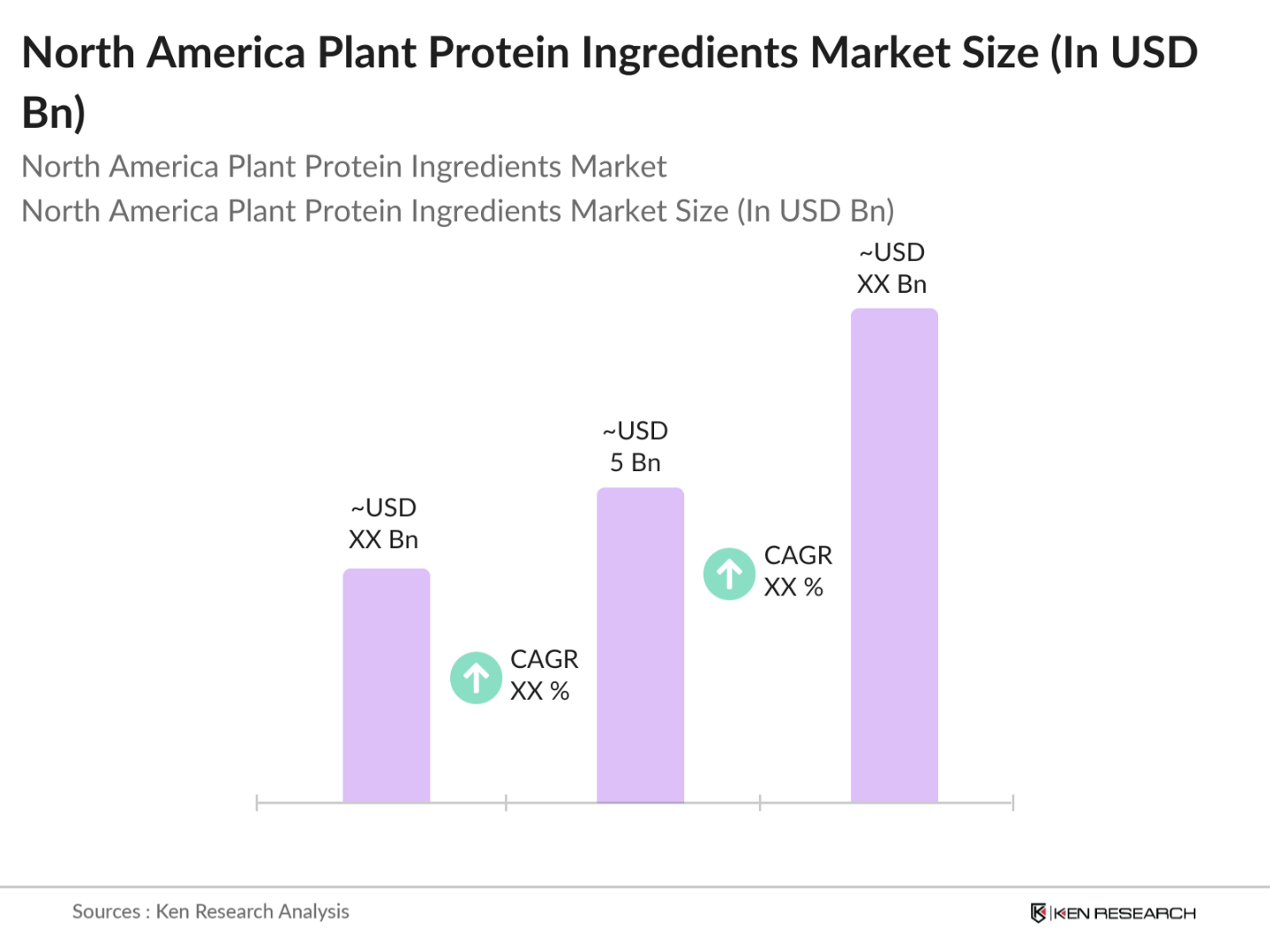
The North America Plant Protein Ingredients market is valued at USD 5 billion, based on a five-year historical analysis. The market is driven primarily by the rising consumer demand for sustainable and plant-based food products, especially in the food and beverage sector.
Challenges include high production costs, consumer concerns about taste and texture, and supply chain complexities in sourcing raw materials like soy and pea proteins.
Key players include Cargill, ADM, DuPont, Roquette Frres, and Ingredion, who dominate the market due to their extensive product portfolios, strong distribution networks, and significant investments in R&D.
Growth is primarily driven by rising health consciousness, sustainability concerns, advancements in plant protein extraction technology, and the growing demand for vegan and vegetarian diets.

What makes us stand out is that our consultants follows Robust, Refine and Result (RRR) methodology. i.e. Robust for clear definitions, approaches and sanity checking, Refine for differentiating respondents facts and opinions and Result for presenting data with story

We have set a benchmark in the industry by offering our clients with syndicated and customized market research reports featuring coverage of entire market as well as meticulous research and analyst insights.

While we don't replace traditional research, we flip the method upside down. Our dual approach of Top Bottom & Bottom Top ensures quality deliverable by not just verifying company fundamentals but also looking at the sector and macroeconomic factors.

With one step in the future, our research team constantly tries to show you the bigger picture. We help with some of the tough questions you may encounter along the way: How is the industry positioned? Best marketing channel? KPI's of competitors? By aligning every element, we help maximize success.

Our report gives you instant access to the answers and sources that other companies might choose to hide. We elaborate each steps of research methodology we have used and showcase you the sample size to earn your trust.

If you need any support, we are here! We pride ourselves on universe strength, data quality, and quick, friendly, and professional service.