
North America Wood Fencing Market Outlook to 2030
Region:North America
Author(s):Vijay Kumar
Product Code:KROD4587
December 2024
85
About the Report
North America Wood Fencing Market Overview
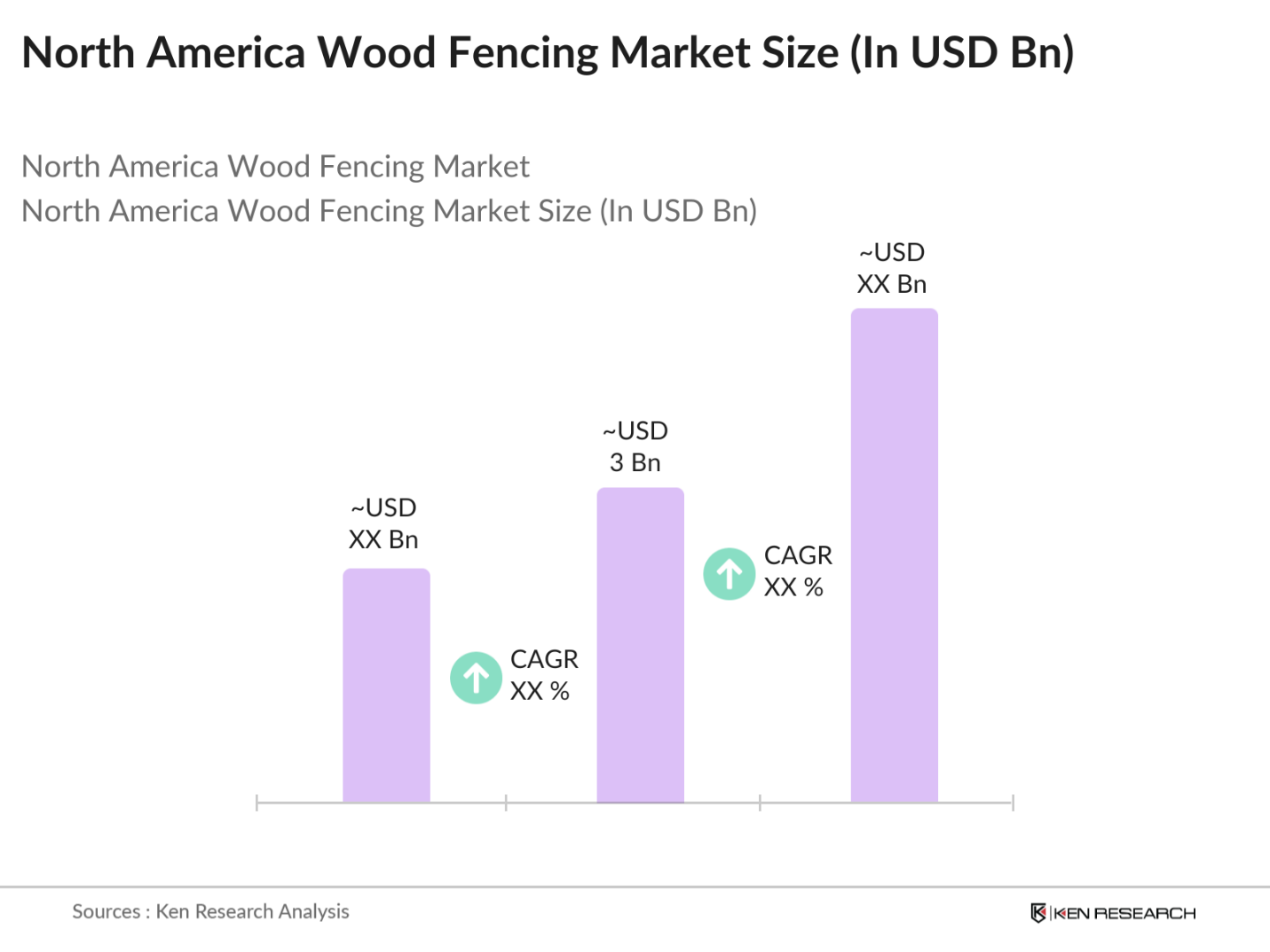
- The North America Wood Fencing Market is valued at USD 3 billion, based on a five-year historical analysis. The market is primarily driven by the increased demand for residential fencing solutions, coupled with growing investments in property security and aesthetics. The popularity of wood as a fencing material is also supported by its natural appeal, easy availability, and versatility for different designs. The rising number of renovation and home improvement projects further accelerates market growth.
- The U.S. leads the North America wood fencing market due to robust residential construction activities and a high number of renovation projects. This dominance is attributed to the emphasis on residential safety and aesthetic appeal, alongside the increasing use of wood fencing in agricultural applications. Canada follows as a key market, benefiting from the rising construction of new residential units and farmland protection. This trend showcases the concentrated demand in these regions due to economic growth and infrastructure developments.
- The U.S. government has specific building codes and permit requirements that vary by state for the installation of wood fencing. Compliance with these regulations is crucial for manufacturers and builders to ensure that products meet safety and durability standards. The enforcement of these codes has been more stringent, especially in urban areas where building permits for residential units increased to 1,475,000 in August 2024.
North America Wood Fencing Market Segmentation
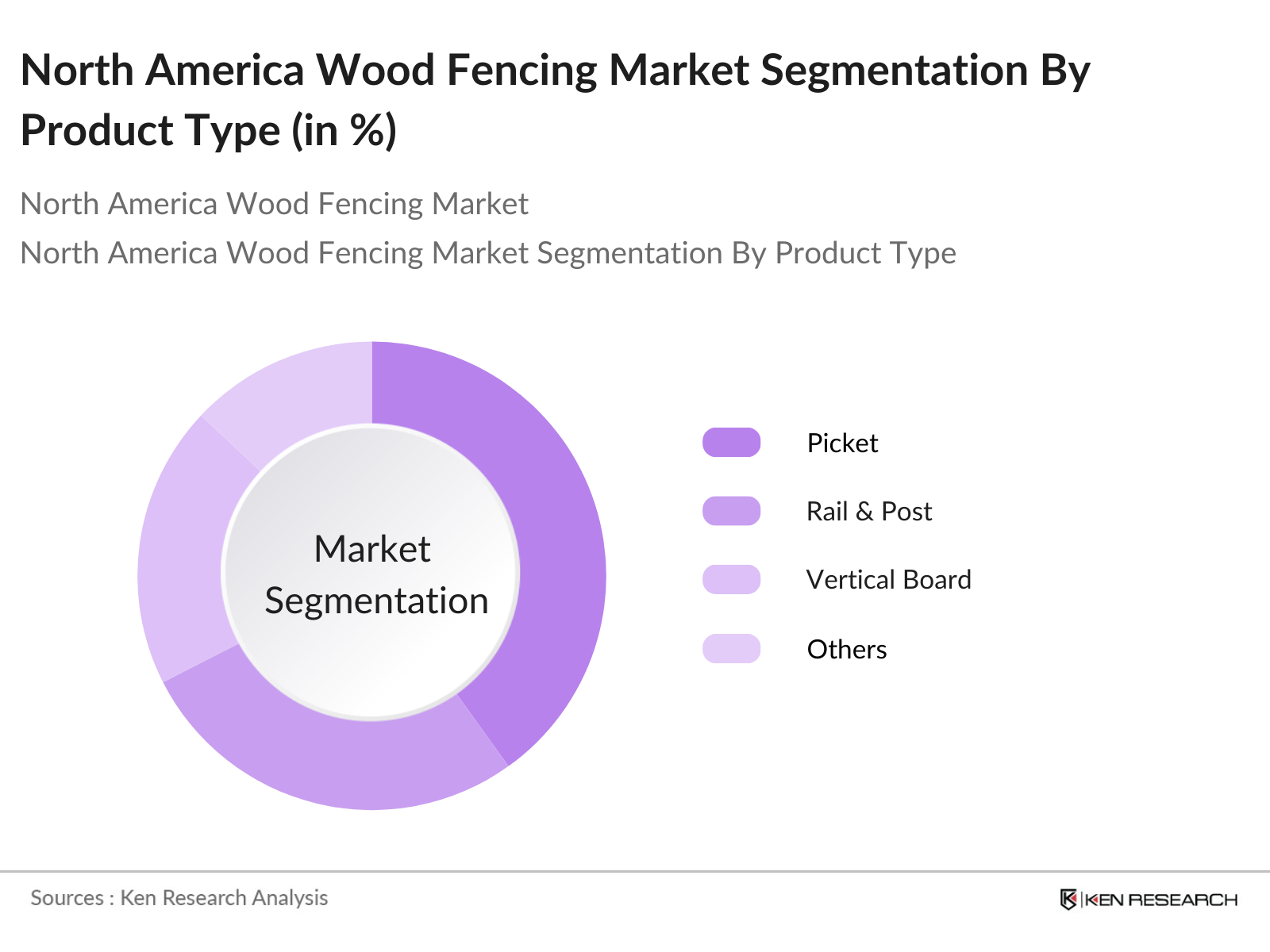
By Product Type: The North America wood fencing market is segmented by product type into picket, rail & post, vertical board, and others. Picket fences have established a dominant position within the segmentation due to their aesthetic appeal, especially in residential properties, where privacy and safety are primary concerns. Picket fences are often used around pool areas and gardens, and their popularity is further fueled by their compliance with various safety regulations, making them a favored choice for homeowners across the region.
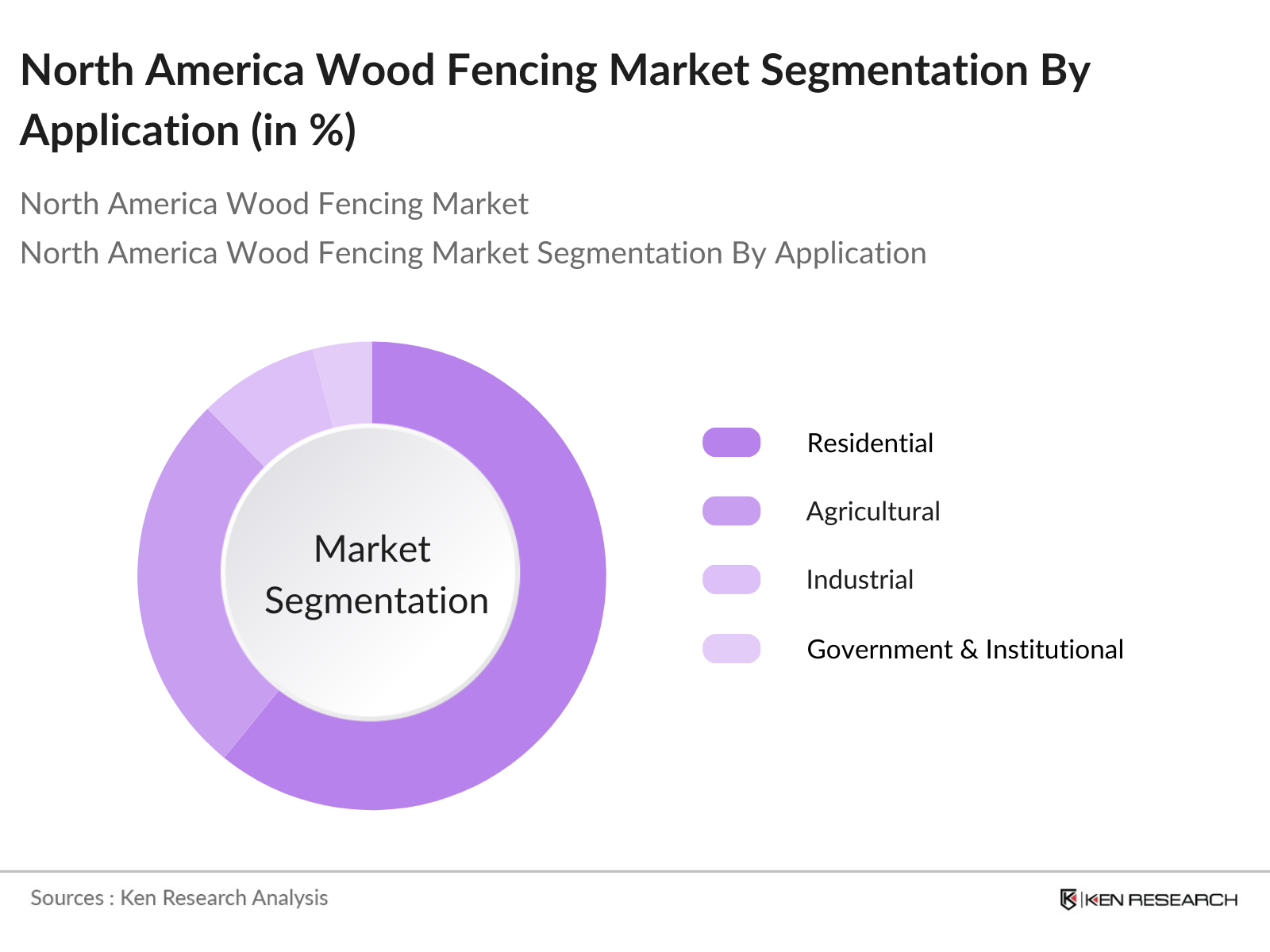
By Application: The market is also segmented by application into residential, agricultural, industrial, government & institutional, and others. The residential segment dominates the market as households increasingly prioritize fencing for both security and privacy. Additionally, the aesthetic appeal of wood fences and the availability of diverse styles and finishes have made them a popular choice among homeowners.
North America Wood Fencing Market Competitive Landscape
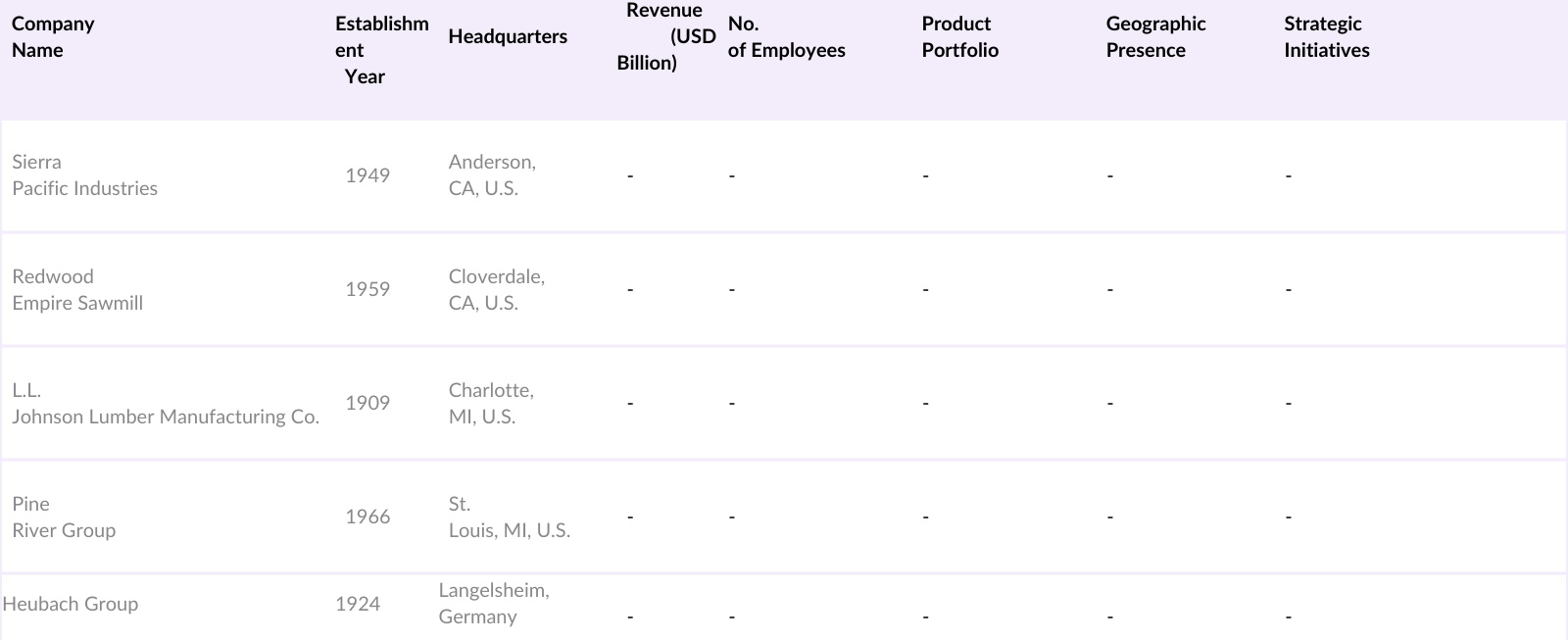
The North America wood fencing market is characterized by a mix of large and small players, with companies like Sierra Pacific Industries, Redwood Empire Sawmill, and L.L. Johnson Lumber Manufacturing Co. dominating the space. The competition is driven by product differentiation in terms of wood species, coatings, and installation services. Companies are leveraging strategies such as mergers and acquisitions and new product launches to strengthen their market presence.
North America Wood Fencing Industry Analysis
Growth Drivers
- Increase in Residential Construction: The North American wood fencing market is driven by the growth in residential construction activities. In August 2024, privately-owned housing starts in the U.S. were at a seasonally adjusted annual rate of 1,356,000 units, reflecting a 3.9% increase from August 2023. Single-family housing starts rose to 992,000 units, which shows a significant uptick from the revised July figure of 857,000. This growth in residential units boosts demand for wood fencing for property boundaries and aesthetic enhancements.
- Rise in Agricultural Applications: Rural areas in North America have seen a steady increase in the demand for agricultural fencing. In 2024, there were 514,500 units of new residential construction starts in rural and semi-urban areas. These regions accounted for 14% more housing units than the previous year, indicating the growth of agricultural applications and rural development. The need for fencing in these areas is fueled by the requirement to secure agricultural lands, livestock, and other resources, making wood a preferred material for its blend of durability and aesthetic appeal.
- Enhanced Safety and Privacy Features: Safety and privacy concerns have become critical factors driving consumer preferences for wood fencing in residential areas. Approximately 1,029,000 single-family homes were completed in August 2024, providing homeowners the opportunity to invest in fencing solutions that offer not only visual appeal but also safety for family members and pets. Enhanced safety features like reinforced wooden fences have become a popular choice among new homeowners looking to secure their premises.
Market Challenges
- High Competition Among Market Players: The North American wood fencing market faces significant competition from various local and international players. With over 716,000 new single-family homes sold as of August 2024, the market sees an influx of both established and emerging companies offering diverse wood fencing products, which intensifies market rivalry. This high competition creates challenges for new entrants who have to contend with established brands and pricing strategies.
- Fluctuations in Raw Material Prices: Fluctuations in the cost of raw materials such as timber have posed challenges for the wood fencing market. Monthly construction spending, including wood materials, was estimated at an annual rate of $2,162.7 billion in July 2024. Variability in wood prices, driven by supply chain disruptions and varying demand, can lead to increased costs for manufacturers and end consumers, potentially affecting overall market growth.
North America Wood Fencing Market Future Outlook
Over the next five years, the North America wood fencing market is expected to demonstrate stable growth, driven by increasing investments in residential construction, a rise in DIY trends, and growing applications in agricultural settings. Enhanced product offerings, such as weather-resistant coatings and durable wood types, are expected to contribute to market expansion.
Market Opportunities
- Technological Advancements in Wood Coatings: Technological advancements in wood treatments, such as the introduction of new stained and non-stained coatings, present a growth opportunity for the market. The use of innovative coatings increases wood durability and aesthetics, making it more appealing for both residential and commercial applications. This advancement encourages homeowners to opt for wood fencing over alternatives, thus contributing to market expansion.
- Customization in DIY Products: The demand for customizable DIY fencing products has been growing steadily. With 467,000 new houses for sale as of August 2024, homeowners are increasingly looking for fencing options that are easy to install and personalize. The trend of DIY installations allows consumers to achieve a unique look while saving on installation costs, thus creating new opportunities for manufacturers to cater to this segment.
Scope of the Report
|
By Product Type |
Picket Rail & Post Vertical Board Others |
|
By Species |
Cedar (Western Red Cedar, Incense Cedar, Imported Japanese Cedar) Redwood Whitewood Douglas Fir Others |
|
By Installation Channel |
Contractor & Installer, Do-It-Yourself (DIY) |
|
By Coating Type |
Stained Oil-based Stained Non-Stained Others |
|
By Application |
Residential (Single-family, Multi-family) Agricultural Industrial Government & Institutional Others |
|
Region |
United States Canada Mexico |
Products
Key Target Audience
Investments and Venture Capitalist Firms
Government and Regulatory Bodies (e.g., U.S. Environmental Protection Agency, Canadian Environmental Assessment Agency)
Construction and Real Estate Companies
Timber and Wood Suppliers
Residential Building Contractors
Homeowners and Property Managers
Agricultural Landowners
Architects and Landscape Designers
Companies
Players Mentioned in the Report
Sierra Pacific Industries
Redwood Empire Sawmill
Pine River Group
L.L. Johnson Lumber Manufacturing Co.
Heubach Group
Trex Company, Inc.
JAF Group
Long Fence Company, Inc.
The Fence Authority
Master Halco, Inc.
Table of Contents
1. North America Wood Fencing Market Overview
1.1 Definition and Scope
1.2 Market Taxonomy
1.3 Market Dynamics (Growth Drivers, Challenges, Opportunities)
1.4 Market Growth Rate
1.5 Market Segmentation Overview
2. North America Wood Fencing Market Size (In USD Billion)
2.1 Historical Market Size
2.2 Year-on-Year Growth Analysis
2.3 Market Developments and Key Milestones
2.4 Market Size by Country (U.S., Canada, Mexico)
3. North America Wood Fencing Market Analysis
3.1 Market Growth Drivers
3.1.1 Increase in Residential Construction (Market Size, Construction Rate)
3.1.2 Rise in Agricultural Applications (Demand in Rural Areas)
3.1.3 Enhanced Safety and Privacy Features (Impact on Consumer Preferences)
3.2 Market Challenges
3.2.1 High Competition Among Market Players (Threat of New Entrants, Substitutes)
3.2.2 Fluctuations in Raw Material Prices (Wood Species Pricing)
3.2.3 Regulatory Compliance (Environmental Regulations)
3.3 Opportunities
3.3.1 Technological Advancements in Wood Coatings (Stained and Non-Stained Coatings)
3.3.2 Customization in DIY Products (Emerging Consumer Trends)
3.4 Market Trends
3.4.1 Rise in DIY Installation Segment
3.4.2 Increasing Popularity of Picket Fencing
3.4.3 Growth in Renovation Projects
3.5 Government Regulation and Compliance
3.5.1 Building Codes and Permits for Fencing
3.5.2 Environmental Compliance for Wood Treatments
3.5.3 Impact of Safety Standards (Pool and Privacy Fencing)
3.6 SWOT Analysis
3.7 Porters Five Forces Analysis
3.8 Competitive Ecosystem
4. North America Wood Fencing Market Segmentation (in Value %)
4.1 By Product Type
4.1.1 Picket
4.1.2 Rail & Post
4.1.3 Vertical Board
4.1.4 Others
4.2 By Species Type
4.2.1 Cedar (Western Red Cedar, Incense Cedar)
4.2.2 Redwood
4.2.3 Whitewood
4.2.4 Douglas Fir
4.2.5 Others
4.3 By Installation Channel
4.3.1 Contractor & Installer
4.3.2 Do-It-Yourself (DIY)
4.4 By Coating Type
4.4.1 Stained
4.4.2 Oil-based Stained
4.4.3 Non-Stained
4.4.4 Others
4.5 By Application
4.5.1 Residential (Single-family, Multi-family)
4.5.2 Agricultural
4.5.3 Industrial
4.5.4 Government & Institutional
4.5.5 Others
5. North America Wood Fencing Market Competitive Analysis
5.1 Competitive Landscape and Key Players
5.1.1 Sierra Pacific Industries
5.1.2 Redwood Empire Sawmill
5.1.3 Pine River Group
5.1.4 L.L. Johnson Lumber Manufacturing Co.
5.1.5 Heubach Group
5.1.6 Trex Company, Inc.
5.1.7 JAF Group
5.1.8 Long Fence Company, Inc.
5.1.9 The Fence Authority
5.1.10 Master Halco, Inc.
5.1.11 Acorn Fence Company
5.1.12 Merchants Metals
5.1.13 Allied Fence Co. of Dallas
5.1.14 Alta Forest Products
5.1.15 Superior Fence & Rail, Inc.
5.2 Cross Comparison Parameters (Revenue, Number of Employees, Geographic Presence, Product Portfolio)
5.3 Market Share Analysis
5.4 Strategic Initiatives (Mergers, Acquisitions, Joint Ventures)
5.5 Investment Analysis (Private Equity, Venture Capital Funding)
6. North America Wood Fencing Market Regulatory Framework
6.1 Environmental Standards for Wood Products
6.2 Certification and Compliance Requirements
6.3 Safety Standards and Building Codes
7. North America Wood Fencing Market Future Size and Projections (In USD Billion)
7.1 Future Market Size Projections by Region (U.S., Canada, Mexico)
7.2 Key Factors Driving Future Market Growth
8. North America Wood Fencing Market Future Segmentation (in Value %)
8.1 By Product Type
8.2 By Species
8.3 By Installation Channel
8.4 By Coating
8.5 By Application
9. North America Wood Fencing Market Analysts Recommendations
9.1 Strategic Recommendations
9.2 Market Entry Strategies for New Players
9.3 Investment Opportunities in High-Growth Segments
9.4 Marketing and Product Development Strategies
Disclaimer Contact UsResearch Methodology
Step 1: Identification of Key Variables
This phase includes constructing an ecosystem map of all major stakeholders in the North America Wood Fencing Market. The process involves extensive desk research using secondary and proprietary databases to collect comprehensive industry data and identify key influencing factors for market dynamics.
Step 2: Market Analysis and Construction
This step includes compiling and analyzing historical data on market penetration, revenue generation, and service provider ratio. The analysis also incorporates a review of service quality metrics to ensure the accuracy of revenue estimates.
Step 3: Hypothesis Validation and Expert Consultation
Hypotheses are validated through Computer-Assisted Telephone Interviews (CATI) with industry experts, providing operational and financial insights. These consultations refine and corroborate the market data.
Step 4: Research Synthesis and Final Output
Direct engagement with multiple manufacturers to gather detailed insights into product segments, sales performance, and consumer preferences. The final step ensures that the statistics derived are comprehensive, accurate, and validated.
Frequently Asked Questions
1. How big is the North America Wood Fencing Market?
The North America Wood Fencing Market is valued at USD 3 billion, based on a five-year historical analysis. The market is primarily driven by the increased demand for residential fencing solutions, coupled with growing investments in property security and aesthetics.
2. What are the challenges in the North America Wood Fencing Market?
Challenges include fluctuations in raw material prices and high competition among market players. Regulatory compliance and environmental considerations for wood treatment are also potential barriers to market growth.
3. Who are the major players in the North America Wood Fencing Market?
Major players include Sierra Pacific Industries, Redwood Empire Sawmill, Pine River Group, and L.L. Johnson Lumber Manufacturing Co. These companies have established strong market positions through product differentiation and strategic initiatives.
4. What are the growth drivers of the North America Wood Fencing Market?
The market is driven by increasing demand for privacy and security, growth in residential construction, and the aesthetic appeal of wood fences. The popularity of sustainable and durable wood types also contributes to market growth.
Why Buy From Us?

What makes us stand out is that our consultants follows Robust, Refine and Result (RRR) methodology. i.e. Robust for clear definitions, approaches and sanity checking, Refine for differentiating respondents facts and opinions and Result for presenting data with story

We have set a benchmark in the industry by offering our clients with syndicated and customized market research reports featuring coverage of entire market as well as meticulous research and analyst insights.

While we don't replace traditional research, we flip the method upside down. Our dual approach of Top Bottom & Bottom Top ensures quality deliverable by not just verifying company fundamentals but also looking at the sector and macroeconomic factors.

With one step in the future, our research team constantly tries to show you the bigger picture. We help with some of the tough questions you may encounter along the way: How is the industry positioned? Best marketing channel? KPI's of competitors? By aligning every element, we help maximize success.

Our report gives you instant access to the answers and sources that other companies might choose to hide. We elaborate each steps of research methodology we have used and showcase you the sample size to earn your trust.

If you need any support, we are here! We pride ourselves on universe strength, data quality, and quick, friendly, and professional service.