
USA Automotive Engine Oil Market Outlook to 2030
Region:North America
Author(s):Paribhasha Tiwari
Product Code:KROD7925
December 2024
92
About the Report
USA Automative Engine Oil Market Overview
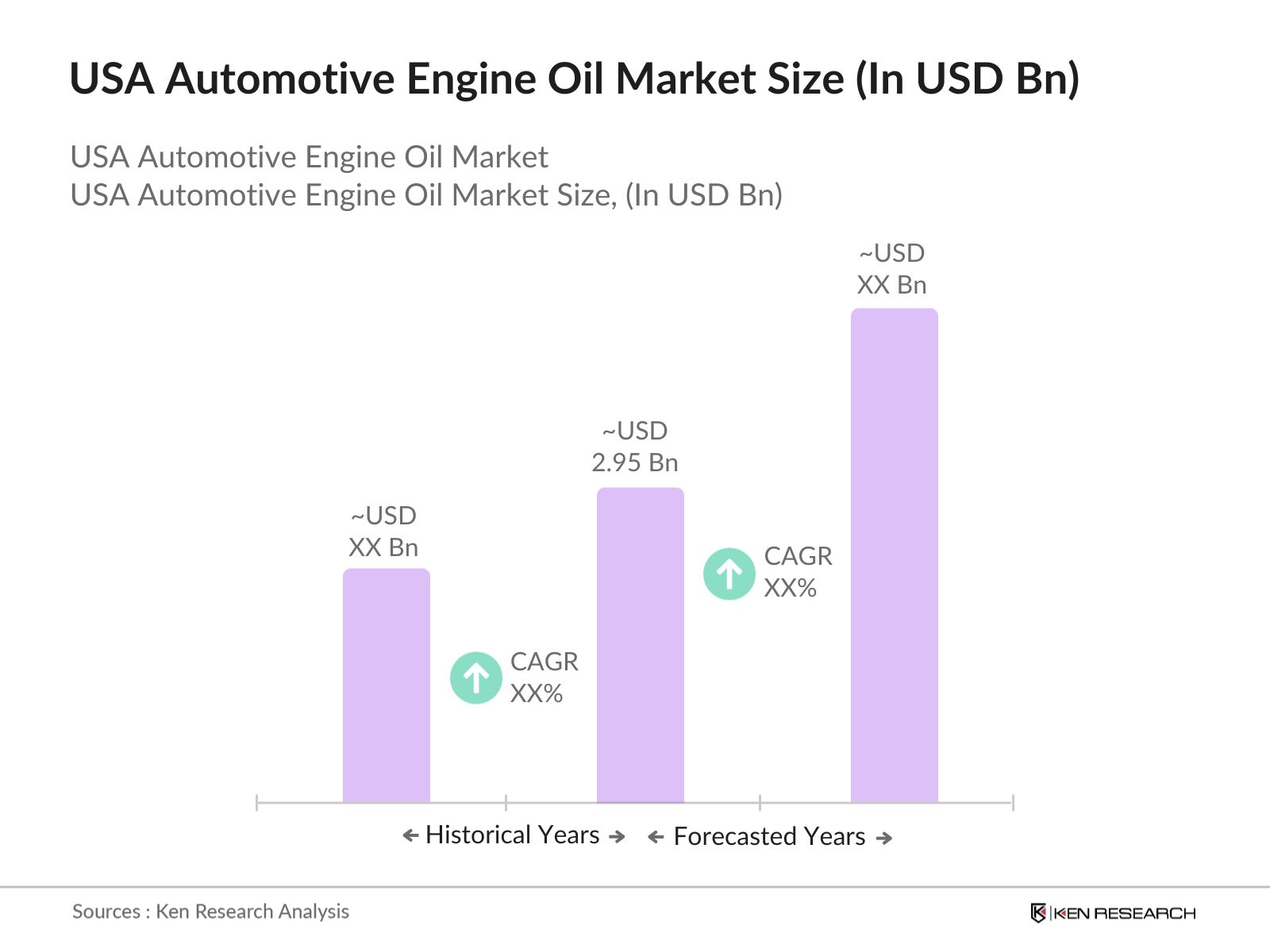
- The USA Automotive Engine Oil market is valued at USD 2.95 billion, with steady growth driven by robust vehicle production and increasing awareness among consumers regarding regular engine maintenance. Engine oils are essential for ensuring vehicle performance, which contributes to their strong demand in the automotive aftermarket. The market's upward trajectory is supported by a trend toward synthetic oils, known for enhancing fuel efficiency and reducing emissions, which aligns with regulatory requirements across the USA.
- In the USA, regions with high vehicle density and significant industrial activity, such as California, Texas, and Michigan, dominate the market. California and Texas lead due to extensive transportation networks and strict regulations on emissions, which drive the demand for high-performance and eco-friendly engine oils. Michigans dominance is rooted in its automotive manufacturing hubs, which sustain a consistent demand for engine oils, especially for heavy-duty commercial vehicles.
- As part of energy conservation measures, the Department of Energy has promoted high-efficiency engine oils as part of the National Energy Policy, including tax credits for manufacturers creating products that enhance fuel efficiency. These credits have led to a surge in demand for oils that support lower emissions, giving manufacturers an incentive to innovate.
USA Automative Engine Oil Market Segmentation
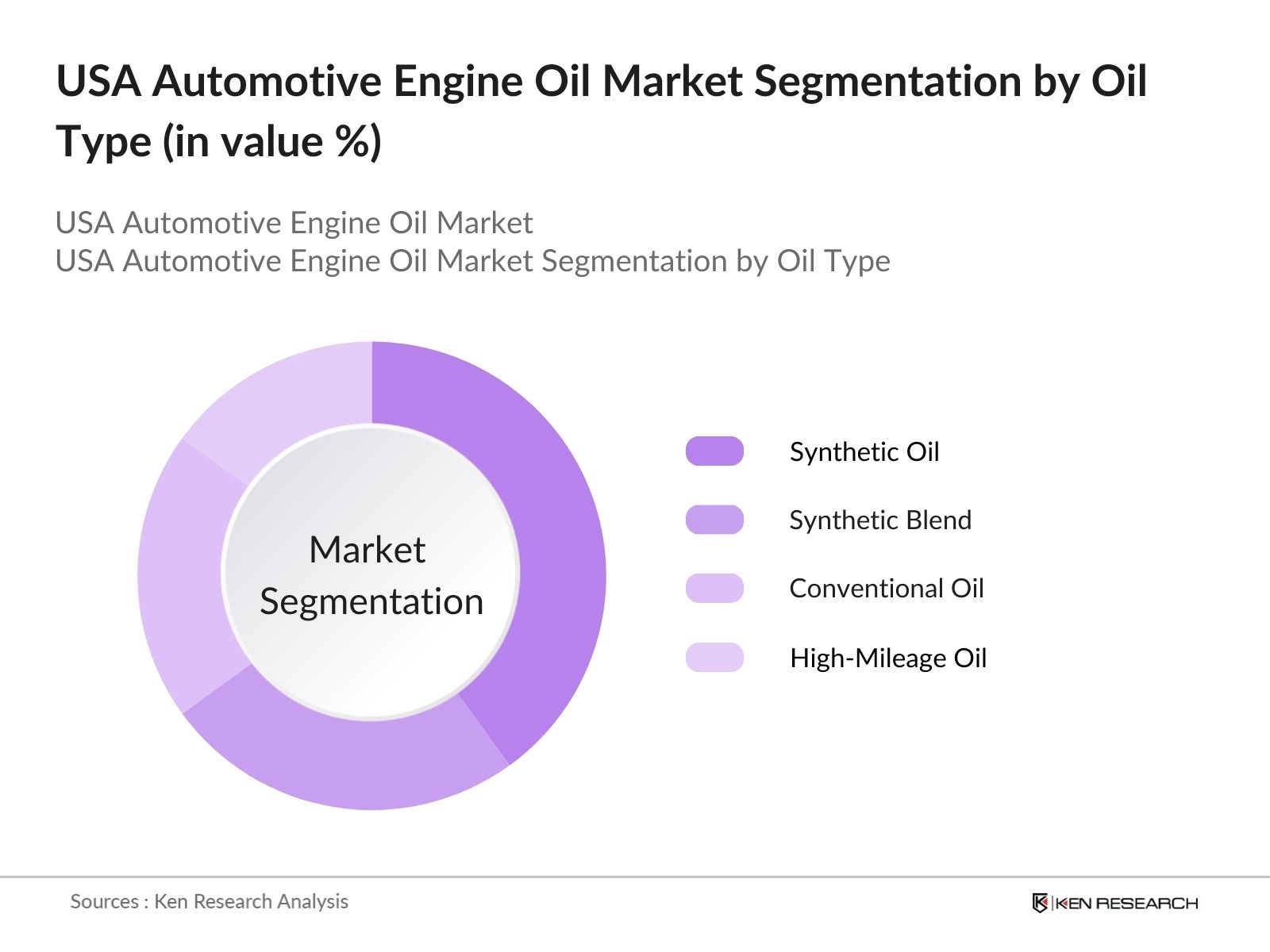
By Oil Type: The USA Automotive Engine Oil market is segmented by oil type into conventional oil, synthetic oil, synthetic blend oil, and high-mileage oil. Currently, synthetic oil dominates the market share within this segment due to its superior lubricative properties and compatibility with modern, high-performance engines. Synthetic oils are preferred for their extended oil-change intervals, reduced wear on engine components, and ability to withstand higher temperatures, which align well with the operational demands of American consumers and regulatory emission standards.
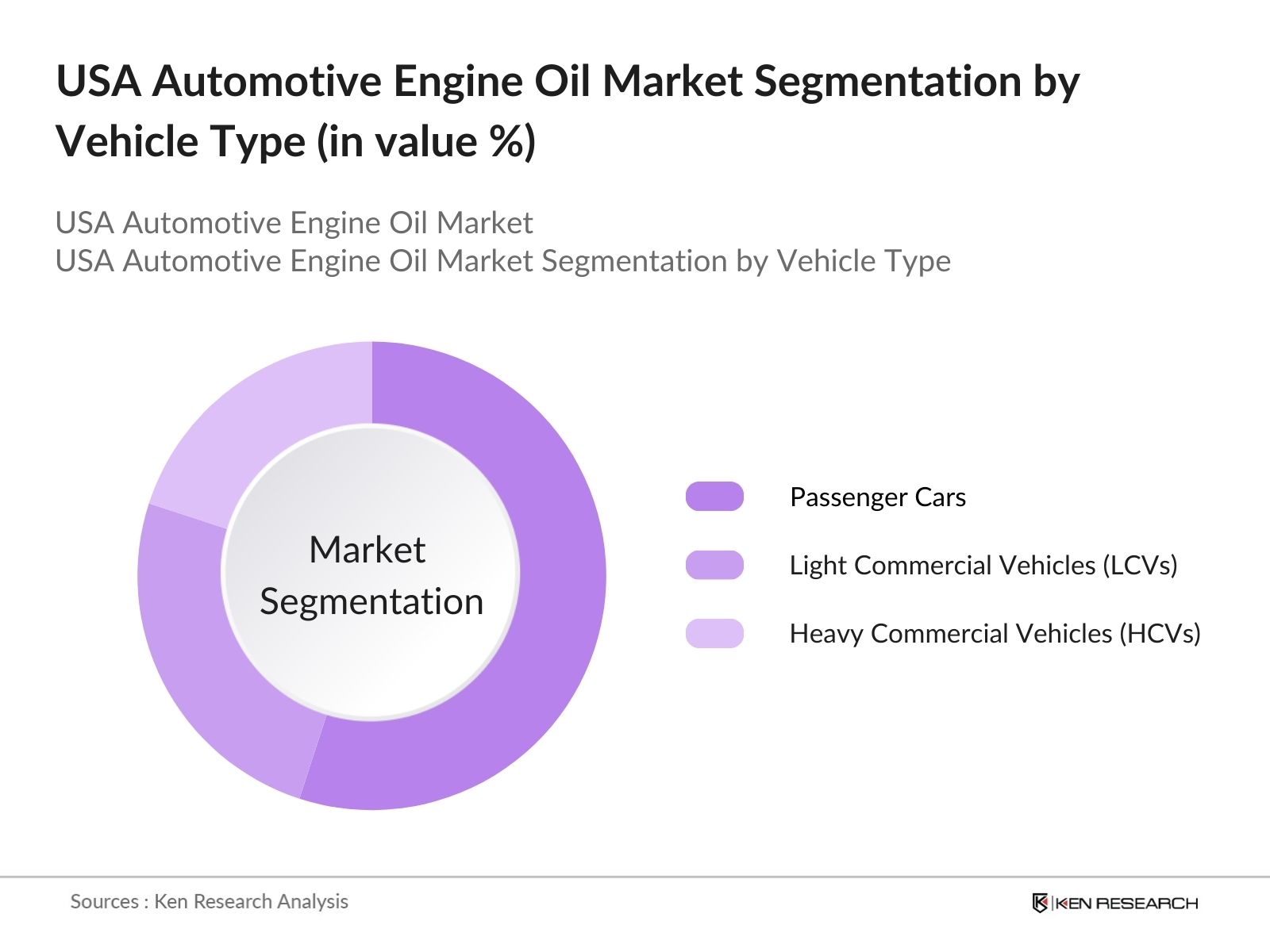
By Vehicle Type: The market is also segmented by vehicle type into passenger cars, light commercial vehicles (LCVs), and heavy commercial vehicles (HCVs). Passenger cars hold the dominant share, largely due to the high ownership rate of personal vehicles in the USA and an increased focus on fuel efficiency. Engine oils in this sub-segment are formulated to improve performance and support emissions compliance, making them a popular choice for daily-driven vehicles across urban and suburban regions.
USA Automative Engine Oil Market Competitive Landscape
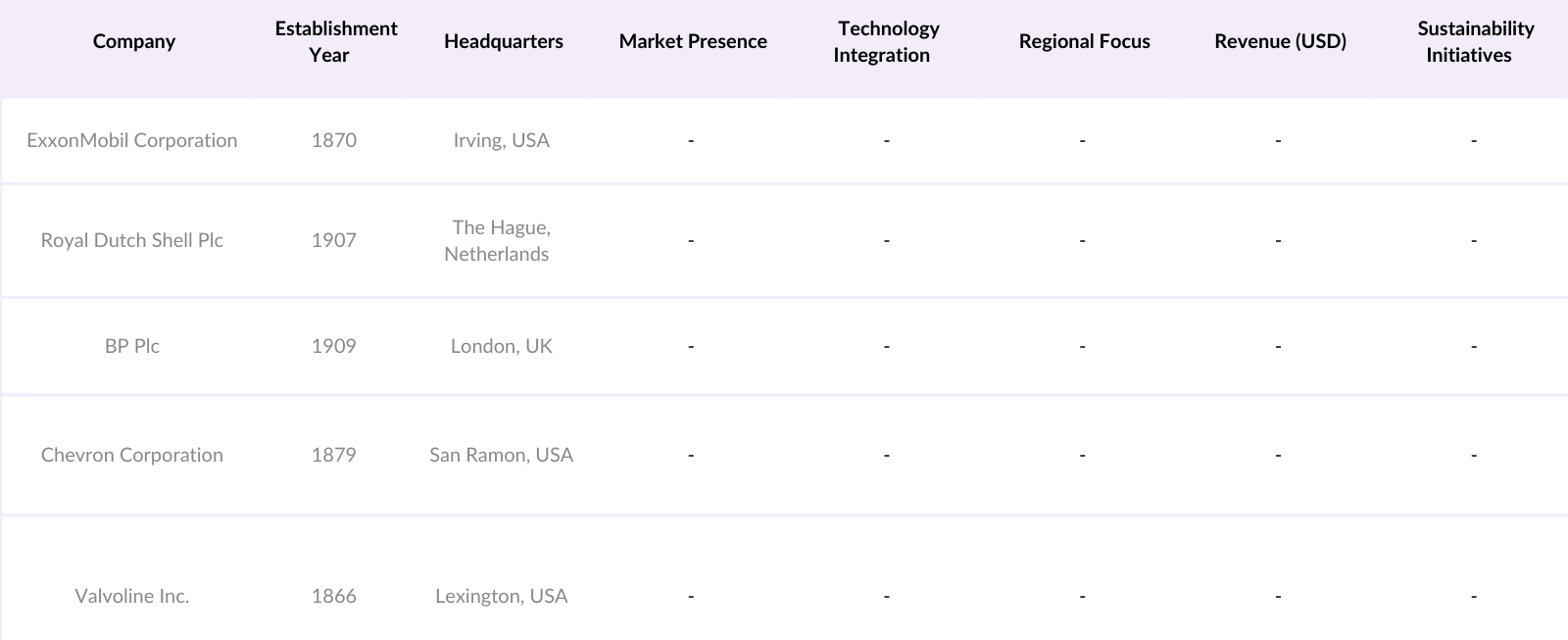
The USA Automotive Engine Oil market is dominated by a few key players, each with a significant presence in product innovation, strategic partnerships, and sustainability efforts. This concentrated market structure is characterized by established brands with extensive distribution networks and technological advancements.
USA Automotive Engine Oil Market Analysis
Growth Drivers
- Vehicle Production Growth: With the automotive sector producing over 9.3 million light vehicles in 2024, the demand for high-quality engine oil has surged, particularly with manufacturers specifying oil grades to enhance engine performance. Increased production has bolstered the demand for engine oils tailored for new engines, especially with added demand from high-mileage and heavy-duty sectors. Government investment in automotive production and initiatives like Made in America policies further support growth in engine oil demand across OEMs and aftermarket services.
- Technological Advancements in Engines: Advanced engines demand highly specialized engine oils to accommodate unique lubrication requirements. In 2024, innovations in turbocharged and hybrid engines necessitated the production of enhanced formulations, including oils with better viscosity control and lower volatility. The U.S. Department of Energys advancements in eco-friendly engines have prompted the automotive oil industry to adapt to these evolving engine specifications to meet performance and environmental standards.
- Regulatory Emission Standards: Emission regulations by the U.S. Environmental Protection Agency (EPA) have mandated the use of cleaner, low-sulfur oils. For instance, regulations on heavy-duty trucks require the use of oils with specific additives to reduce sulfur emissions. In 2024, the Clean Air Act requirements directly increased demand for compliant engine oils that minimize pollutants, leading manufacturers to shift focus toward producing low-emission compatible oils.
Market Challenges
- Oil Price Volatility: The U.S. has seen significant fluctuations in crude oil prices, with an average cost increase of $15 per barrel in 2024 due to geopolitical tensions and supply chain disruptions. This volatility impacts the production costs for automotive engine oils, creating challenges for manufacturers in maintaining price stability. These fluctuations pressure companies to adjust pricing or seek alternative sourcing solutions, influencing market profitability.
- Environmental Impact and Regulations: The automotive engine oil market faces challenges from stringent environmental laws, including the Resource Conservation and Recovery Act, which oversees oil disposal standards. The cost and requirements for eco-friendly formulations compliant with waste management regulations have increased. Engine oil manufacturers are compelled to innovate in producing biodegradable and environmentally safe products, as improper disposal impacts water resources and soil, making sustainability a critical issue.
USA Automative Engine Oil Market Future Outlook
Over the next five years, the USA Automotive Engine Oil market is poised for steady growth, propelled by advancements in engine technology and an increased consumer focus on vehicle longevity. The shift toward eco-friendly and sustainable engine oils is likely to accelerate, with synthetic and bio-based oils gaining traction. Additionally, the aftermarket service sector is expected to drive demand as older vehicles remain in operation, necessitating regular engine maintenance.
Market Opportunities
- High-Performance and Synthetic Oil Adoption: The demand for high-performance oils is growing as vehicles become more sophisticated. Synthetic oil sales have reached nearly 400 million liters in 2024, driven by preferences for oils that offer longer intervals between changes and superior protection. Synthetic oil manufacturers have an opportunity to expand in this high-margin segment, particularly as consumers prioritize quality and longevity.
- Aftermarket Expansion: The U.S. automotive aftermarket for engine oils is expanding, with approximately 600 million oil changes projected annually. This growth presents an opportunity for engine oil companies to capture a significant share in aftermarket sales, particularly by introducing DIY-friendly products and marketing through retail giants. Expanding distribution in this sector can drive revenue, with added potential in rural and suburban markets with limited dealership access.
Scope of the Report
|
By Type of Oil |
Conventional Oil Synthetic Oil Synthetic Blend Oil, High-Mileage Oil |
|
By Vehicle Type |
Passenger Cars Light Commercial Vehicles (LCVs) Heavy Commercial Vehicles (HCVs) |
|
By Viscosity Grade |
Multi-Grade Oils Mono-Grade Oils |
|
By Distribution Channel |
OEMs Aftermarket |
|
By Application |
Personal Vehicles Commercial Fleets |
Products
Key Target Audience
Investors and Venture Capitalist Firms
Government and Regulatory Bodies (EPA, Department of Energy)
Automotive Manufacturers
Distributors and Suppliers
Service Centers and Repair Shops
Fleet Management Companies
Retailers and Aftermarket Sellers
Automotive Associations and Industry Groups
Companies
Players Mentioned in the Report:
ExxonMobil Corporation
Royal Dutch Shell Plc
BP Plc
Chevron Corporation
Valvoline Inc.
Phillips 66 Lubricants
Castrol Limited
Amsoil Inc.
Pennzoil
Lucas Oil Products Inc.
Red Line Synthetic Oil
FUCHS Lubricants Co.
Motul
TotalEnergies
Petro-Canada Lubricants Inc.
Table of Contents
1. USA Automotive Engine Oil Market Overview
1.1. Definition and Scope
1.2. Market Taxonomy
1.3. Growth Rate Analysis
1.4. Market Segmentation Overview
2. USA Automotive Engine Oil Market Size (In USD Mn)
2.1. Historical Market Size Analysis
2.2. Growth Patterns and Key Milestones
2.3. Factors Influencing Market Expansion
3. USA Automotive Engine Oil Market Analysis
3.1. Growth Drivers (Fuel Efficiency, Engine Performance)
3.1.1. Vehicle Production Growth
3.1.2. Technological Advancements in Engines
3.1.3. Regulatory Emission Standards
3.2. Market Challenges (Oil Price Volatility, Environmental Concerns)
3.2.1. Rising Demand for EVs
3.2.2. Environmental Impact and Regulations
3.3. Opportunities (High-Performance Oils, Synthetic Blends)
3.3.1. Increased Adoption of Synthetic Oils
3.3.2. Aftermarket Expansion
3.4. Trends (Sustainability, Recyclable Lubricants)
3.4.1. Bio-Based Engine Oils
3.4.2. Advanced Additives for Enhanced Protection
3.5. Government Regulations (EPA Emissions Standards, CAFE Regulations)
3.5.1. Emission Standards Compliance
3.5.2. Fuel Economy Standards
3.6. SWOT Analysis
3.7. Stakeholder Ecosystem (OEMs, Service Centers)
3.8. Porters Five Forces Analysis
3.9. Competitive Ecosystem
4. USA Automotive Engine Oil Market Segmentation
4.1. By Type of Oil (In Value %)
4.1.1. Conventional Oil
4.1.2. Synthetic Oil
4.1.3. Synthetic Blend Oil
4.1.4. High-Mileage Oil
4.2. By Vehicle Type (In Value %)
4.2.1. Passenger Cars
4.2.2. Light Commercial Vehicles (LCVs)
4.2.3. Heavy Commercial Vehicles (HCVs)
4.3. By Viscosity Grade (In Value %)
4.3.1. Multi-Grade Oils
4.3.2. Mono-Grade Oils
4.4. By Distribution Channel (In Value %)
4.4.1. OEMs
4.4.2. Aftermarket
4.5. By Application (In Value %)
4.5.1. Personal Vehicles
4.5.2. Commercial Fleets
5. USA Automotive Engine Oil Market Competitive Analysis
5.1. Detailed Profiles of Major Companies
5.1.1. ExxonMobil Corporation
5.1.2. Royal Dutch Shell Plc
5.1.3. BP Plc
5.1.4. Chevron Corporation
5.1.5. Valvoline Inc.
5.1.6. Phillips 66 Lubricants
5.1.7. Castrol Limited
5.1.8. Amsoil Inc.
5.1.9. Pennzoil (a Shell Brand)
5.1.10. Lucas Oil Products Inc.
5.1.11. Red Line Synthetic Oil
5.1.12. FUCHS Lubricants Co.
5.1.13. Motul
5.1.14. TotalEnergies
5.1.15. Petro-Canada Lubricants Inc.
5.2. Cross-Comparison Parameters (Market Share %, Product Range, Sales Network, Revenue, Pricing Strategy, R&D Spending, Geographic Presence, Market Penetration)
5.3. Market Share Analysis
5.4. Strategic Initiatives and Innovation Focus
5.5. Mergers, Acquisitions, and Partnerships
5.6. Investment and Funding Analysis
5.7. Venture Capital and Private Equity Funding
5.8. Government Support Programs and Grants
6. USA Automotive Engine Oil Market Regulatory Framework
6.1. Environmental Standards (API, SAE Standards)
6.2. Compliance Requirements for Emissions
6.3. Certification and Quality Standards
7. USA Automotive Engine Oil Future Market Size (In USD Mn)
7.1. Future Market Size Projections
7.2. Key Drivers of Future Market Growth
8. USA Automotive Engine Oil Market Analysts Recommendations
8.1. TAM/SAM/SOM Analysis
8.2. Customer Cohort Analysis
8.3. Targeted Marketing Initiatives
8.4. White Space Opportunity Analysis
Disclaimer Contact UsResearch Methodology
Step 1: Identification of Key Variables
The initial phase involves mapping the USA Automotive Engine Oil Market's ecosystem, identifying primary stakeholders, and collecting industry-specific data. This step relies on secondary sources and proprietary databases to understand critical factors influencing the market.
Step 2: Market Analysis and Construction
This phase includes compiling historical data to analyze the USA Automotive Engine Oil Markets penetration and revenue trends. Key metrics such as vehicle ownership rates, demand for fuel efficiency, and emission regulations are assessed to derive reliable estimates.
Step 3: Hypothesis Validation and Expert Consultation
Market hypotheses are validated through expert consultations, including interviews with industry specialists and representatives from leading automotive brands. This step helps gather real-time insights into market dynamics, challenges, and opportunities.
Step 4: Research Synthesis and Final Output
The final stage entails synthesizing data obtained from stakeholders and primary research sources, ensuring comprehensive insights into each market segment. This validation approach offers a precise and holistic view of the USA Automotive Engine Oil Markets current and future landscape.
Frequently Asked Questions
1. How big is the USA Automotive Engine Oil Market?
The USA Automotive Engine Oil Market is valued at USD 2.95 billion, with demand driven by vehicle maintenance practices and a shift toward high-performance synthetic oils.
2. What challenges does the USA Automotive Engine Oil Market face?
The USA Automotive Engine Oil Market faces challenges like oil price volatility, increasing environmental regulations, and competition from emerging alternatives like electric vehicles.
3. Who are the key players in the USA Automotive Engine Oil Market?
Major players in the USA Automotive Engine Oil Market include ExxonMobil Corporation, Royal Dutch Shell Plc, BP Plc, Chevron Corporation, and Valvoline Inc., with strong market presence and distribution networks.
4. What drives growth in the USA Automotive Engine Oil Market?
Growth of the USA Automotive Engine Oil Market is driven by the high demand for synthetic oils, advancements in engine technology, and regulatory requirements for improved fuel efficiency and emissions reduction.
Why Buy From Us?

What makes us stand out is that our consultants follows Robust, Refine and Result (RRR) methodology. i.e. Robust for clear definitions, approaches and sanity checking, Refine for differentiating respondents facts and opinions and Result for presenting data with story

We have set a benchmark in the industry by offering our clients with syndicated and customized market research reports featuring coverage of entire market as well as meticulous research and analyst insights.

While we don't replace traditional research, we flip the method upside down. Our dual approach of Top Bottom & Bottom Top ensures quality deliverable by not just verifying company fundamentals but also looking at the sector and macroeconomic factors.

With one step in the future, our research team constantly tries to show you the bigger picture. We help with some of the tough questions you may encounter along the way: How is the industry positioned? Best marketing channel? KPI's of competitors? By aligning every element, we help maximize success.

Our report gives you instant access to the answers and sources that other companies might choose to hide. We elaborate each steps of research methodology we have used and showcase you the sample size to earn your trust.

If you need any support, we are here! We pride ourselves on universe strength, data quality, and quick, friendly, and professional service.