
USA Real Estate Market Outlook to 2030
Region:United States
Author(s):Mukul
Product Code:KROD4196
Region:United States
Author(s):Mukul
Product Code:KROD4196
October 2024
92
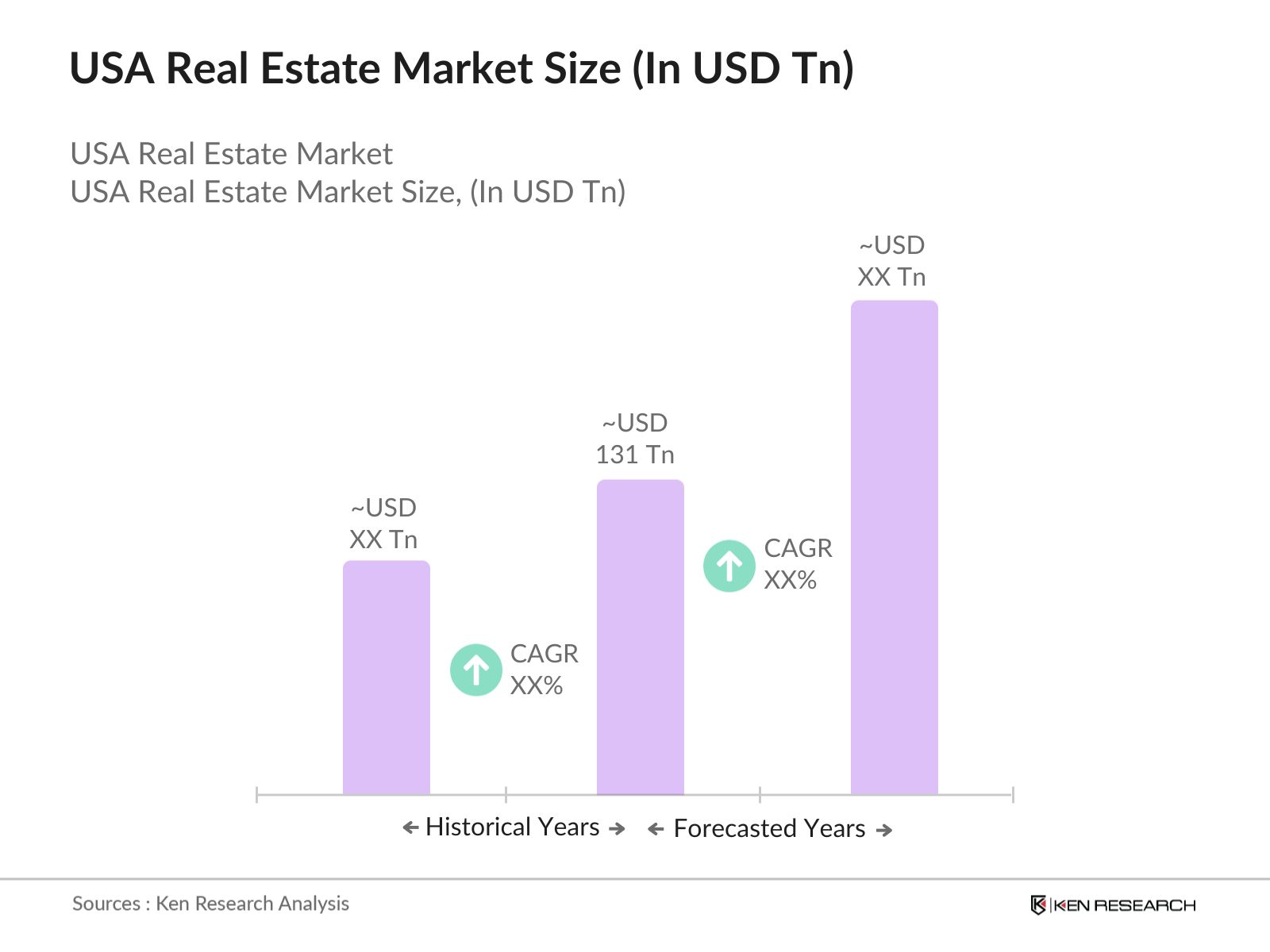
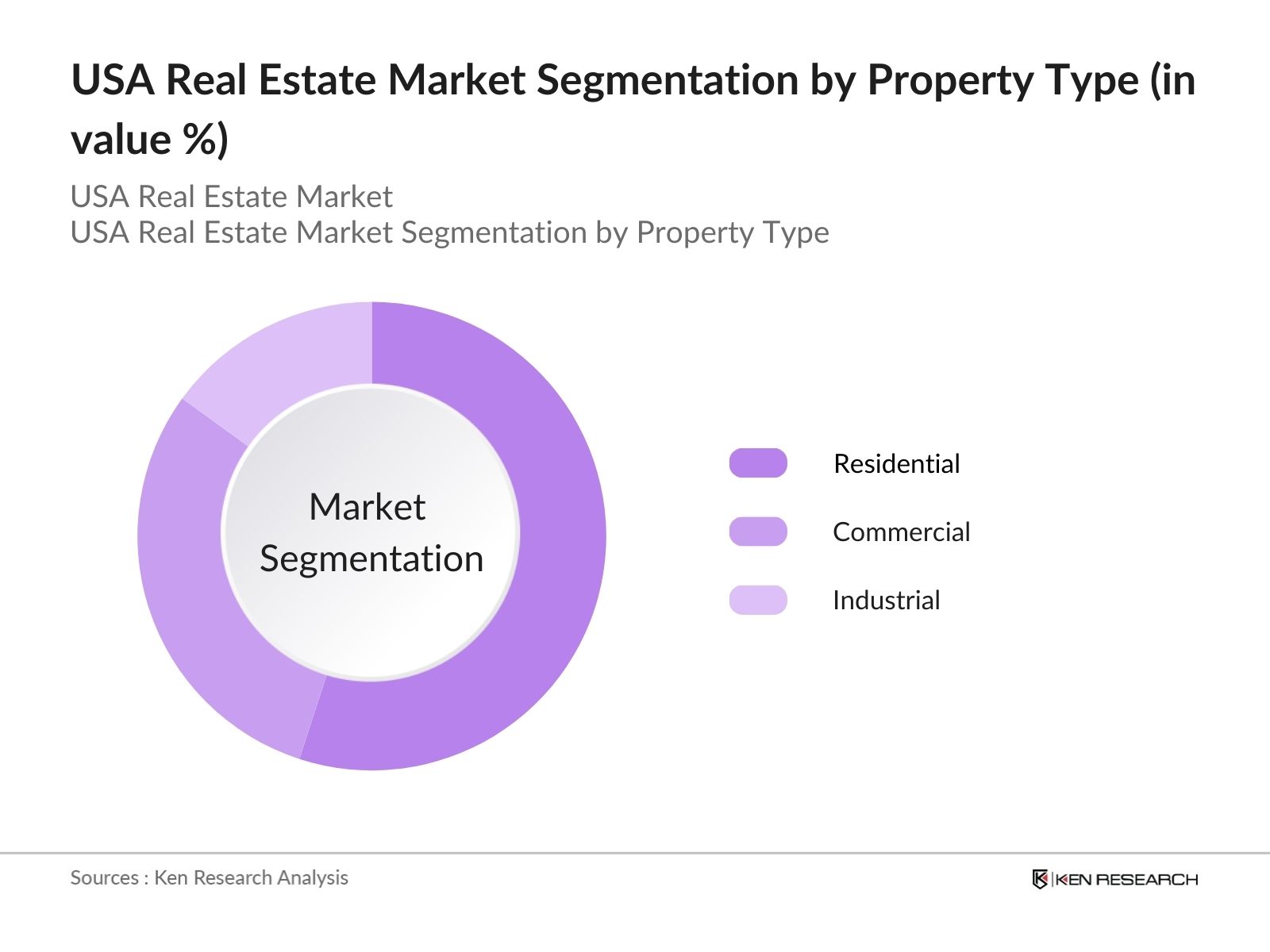
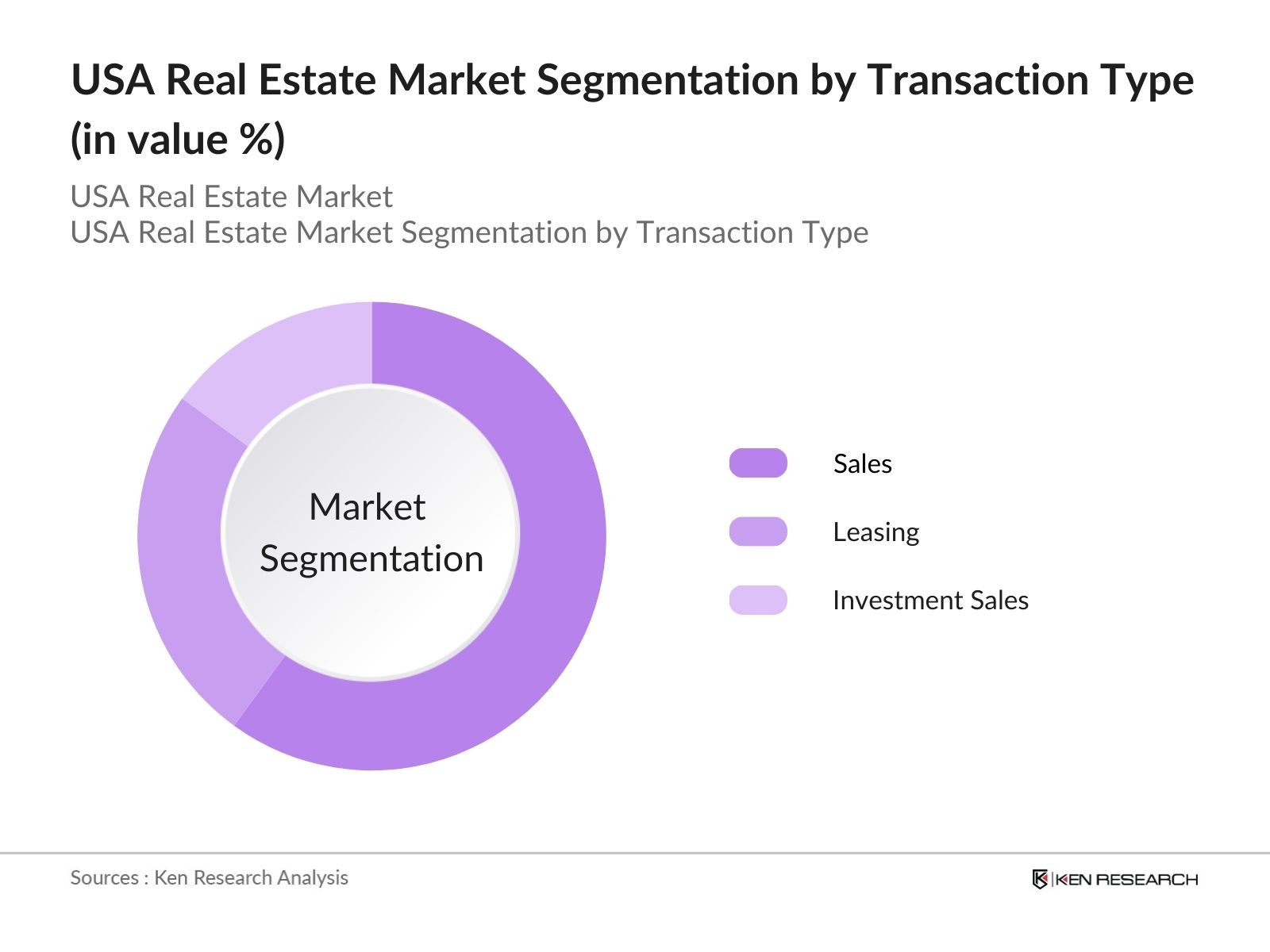
The USA real estate market is characterized by the presence of major national players, as well as regional firms with deep roots in specific markets. The consolidation of real estate firms in key metropolitan areas indicates a trend toward larger companies controlling significant portions of the market, especially in commercial and industrial real estate sectors. Key players like CBRE and JLL have made considerable investments in technology and sustainability, keeping them at the forefront of the competitive landscape.
|
Company Name |
Establishment Year |
Headquarters |
Market Focus |
Revenue (USD bn) |
Employees |
Properties Managed |
Geographic Reach |
Notable Projects |
Market Cap (USD bn) |
|
CBRE Group Inc. |
1906 |
Los Angeles, CA |
|||||||
|
Jones Lang LaSalle (JLL) |
1783 |
Chicago, IL |
|||||||
|
Cushman & Wakefield |
1917 |
Chicago, IL |
|||||||
|
Redfin Corporation |
2004 |
Seattle, WA |
|||||||
|
Zillow Group |
2006 |
Seattle, WA |
Market Growth Drivers
Market Restraints
Over the next five years, the USA real estate market is expected to exhibit significant growth, driven by sustained demand for residential properties, continued economic expansion, and increased foreign investment. Additionally, the adoption of smart home technologies, growth in the PropTech sector, and investments in sustainable infrastructure will likely drive future developments in both commercial and residential real estate. These trends will be supported by a stable interest rate environment and growing interest in suburban and exurban property markets, especially as remote work continues to reshape housing demand patterns.
Market Opportunities
|
Segment |
Sub-segments |
|
By Property Type |
Residential, Commercial, Industrial, Land Development, Hospitality |
|
By Location |
Urban, Suburban, Exurban, Rural |
|
By Transaction Type |
Sales, Leasing, Investment Sales, REITs |
|
By Buyer Type |
First-Time Buyers, Real Estate Investors, International Buyers |
|
By Financing Type |
Mortgage Loans, Cash Transactions, Institutional Funding |
Historical Period: 2018-2023
Base Year: 2023
Forecast Period: 2023-2028
1.1. Definition and Scope
1.2. Market Taxonomy
1.3. Key Real Estate Market Indicators
1.4. Market Growth Rate
1.5. Market Segmentation Overview
2.1. Historical Market Size
2.2. Year-On-Year Growth Analysis
2.3. Key Market Developments and Milestones
3.1. Growth Drivers
3.1.1. Population Growth and Urbanization (Population Density, Growth Rate, Migration Patterns)
3.1.2. Economic Expansion (GDP Growth, Unemployment Rate, Household Income)
3.1.3. Low-Interest Rate Environment (Federal Funds Rate, Mortgage Rates)
3.1.4. Government Support and Infrastructure Development (Tax Incentives, Zoning Laws, Federal Funding)
3.2. Market Challenges
3.2.1. Housing Affordability Crisis (Median Home Prices, Affordability Index)
3.2.2. Supply Chain Disruptions (Construction Costs, Labor Shortage)
3.2.3. Regulatory Hurdles (Zoning Restrictions, Permitting Delays)
3.3. Opportunities
3.3.1. Growth in PropTech Solutions (Smart Home Adoption, Digital Brokerage Platforms)
3.3.2. Investment in Sustainable and Green Buildings (LEED Certification, Energy Efficiency Standards)
3.3.3. Expansion in Suburban and Exurban Markets (Suburban Housing Development, Remote Work Trends)
3.4. Trends
3.4.1. Increased Investment in Multifamily Housing (Rental Occupancy Rates, Vacancy Rates)
3.4.2. Rise in Short-Term Rentals (Airbnb Listings, STR Regulations)
3.4.3. Adoption of Virtual Tours and Remote Transactions (Virtual Reality, Blockchain in Real Estate)
3.5. Government Regulations
3.5.1. Fair Housing Act Enforcement (Non-Discrimination Policies)
3.5.2. Mortgage Interest Deduction Policies (Tax Codes, Homeownership Benefits)
3.5.3. National Housing Finance Agency Guidelines (Loan Limits, Insurance Programs)
3.6. SWOT Analysis
3.7. Stakeholder Ecosystem (Developers, Brokers, Financial Institutions)
3.8. Porters Five Forces Analysis (Bargaining Power of Buyers, Competitive Rivalry)
3.9. Competitive Ecosystem
4.1. By Property Type (In Value %)
4.1.1. Residential (Single-Family Homes, Multifamily Apartments)
4.1.2. Commercial (Office Buildings, Retail Spaces)
4.1.3. Industrial (Warehouses, Logistics Centers)
4.1.4. Land Development (Undeveloped Land, Agricultural Land)
4.1.5. Hospitality (Hotels, Resorts)
4.2. By Location (In Value %)
4.2.1. Urban
4.2.2. Suburban
4.2.3. Exurban
4.2.4. Rural
4.3. By Transaction Type (In Value %)
4.3.1. Sales
4.3.2. Leasing
4.3.3. Investment Sales
4.3.4. Real Estate Investment Trusts (REITs)
4.4. By Buyer Type (In Value %)
4.4.1. First-Time Buyers
4.4.2. Real Estate Investors
4.4.3. International Buyers
4.5. By Financing Type (In Value %)
4.5.1. Mortgage Loans
4.5.2. Cash Transactions
4.5.3. Institutional Funding
5.1. Detailed Profiles of Major Companies
5.1.1. CBRE Group Inc.
5.1.2. Jones Lang LaSalle Incorporated (JLL)
5.1.3. Cushman & Wakefield
5.1.4. Newmark Group Inc.
5.1.5. Marcus & Millichap Inc.
5.1.6. Colliers International
5.1.7. Redfin Corporation
5.1.8. Zillow Group
5.1.9. RE/MAX Holdings Inc.
5.1.10. Berkshire Hathaway HomeServices
5.1.11. Century 21 Real Estate LLC
5.1.12. Keller Williams Realty
5.1.13. Coldwell Banker Real Estate LLC
5.1.14. WeWork Companies LLC
5.1.15. Opendoor Technologies Inc.
5.2. Cross Comparison Parameters (No. of Properties Sold, Revenue, Market Share, No. of Offices, Employee Count, Inception Year, Headquarters)
5.3. Market Share Analysis
5.4. Strategic Initiatives (Partnerships, Technological Investments)
5.5. Mergers and Acquisitions
5.6. Investment Analysis
5.7. Venture Capital Funding
5.8. Government Grants and Subsidies
5.9. Private Equity Investments
6.1. Real Estate Licensing Regulations
6.2. Property Taxation Laws
6.3. Mortgage Lending Rules
6.4. Environmental and Zoning Laws
7.1. Future Market Size Projections
7.2. Key Factors Driving Future Market Growth
8.1. By Property Type (In Value %)
8.2. By Location (In Value %)
8.3. By Transaction Type (In Value %)
8.4. By Buyer Type (In Value %)
8.5. By Financing Type (In Value %)
9.1. TAM/SAM/SOM Analysis
9.2. Customer Cohort Analysis
9.3. Marketing Initiatives
9.4. White Space Opportunity Analysis
The first step involved creating a detailed ecosystem map for the USA real estate market. Through extensive secondary research using reliable databases and proprietary sources, we identified the key variables that drive market growth, including demographic shifts, interest rates, and regulatory changes.
This phase focused on analyzing historical market data to understand the growth of the real estate market in key segments. We examined factors such as property type demand, transaction types, and geographic location. Data was verified by reviewing multiple industry reports and sources.
Industry hypotheses were developed and validated through structured interviews with real estate professionals, including brokers and developers. These insights helped to refine the market analysis and added qualitative depth to the research findings.
The final step involved synthesizing data from various sources, including property developers and real estate management firms. This step ensured the accuracy of market size estimates and growth forecasts, providing a comprehensive view of the USA real estate market.
The USA real estate market is valued at USD 131 trillion, driven by steady population growth, urbanization, and favorable economic conditions, particularly in major metropolitan areas.
Challenges include high property prices in major cities, rising construction costs, and supply chain disruptions, which have caused delays in the delivery of new projects.
Key players in the market include CBRE Group Inc., JLL, Cushman & Wakefield, Redfin Corporation, and Zillow Group. These companies have a wide market reach and are influential in shaping the market trends.
Growth is driven by factors such as the low interest rate environment, an expanding economy, and the shift towards remote work, which has increased demand for suburban and exurban properties.

What makes us stand out is that our consultants follows Robust, Refine and Result (RRR) methodology. i.e. Robust for clear definitions, approaches and sanity checking, Refine for differentiating respondents facts and opinions and Result for presenting data with story

We have set a benchmark in the industry by offering our clients with syndicated and customized market research reports featuring coverage of entire market as well as meticulous research and analyst insights.

While we don't replace traditional research, we flip the method upside down. Our dual approach of Top Bottom & Bottom Top ensures quality deliverable by not just verifying company fundamentals but also looking at the sector and macroeconomic factors.

With one step in the future, our research team constantly tries to show you the bigger picture. We help with some of the tough questions you may encounter along the way: How is the industry positioned? Best marketing channel? KPI's of competitors? By aligning every element, we help maximize success.

Our report gives you instant access to the answers and sources that other companies might choose to hide. We elaborate each steps of research methodology we have used and showcase you the sample size to earn your trust.

If you need any support, we are here! We pride ourselves on universe strength, data quality, and quick, friendly, and professional service.