
USA Solar Lighting System Market Outlook to 2030
Region:United States
Author(s):Sanjna
Product Code:KROD9905
Region:United States
Author(s):Sanjna
Product Code:KROD9905
November 2024
91
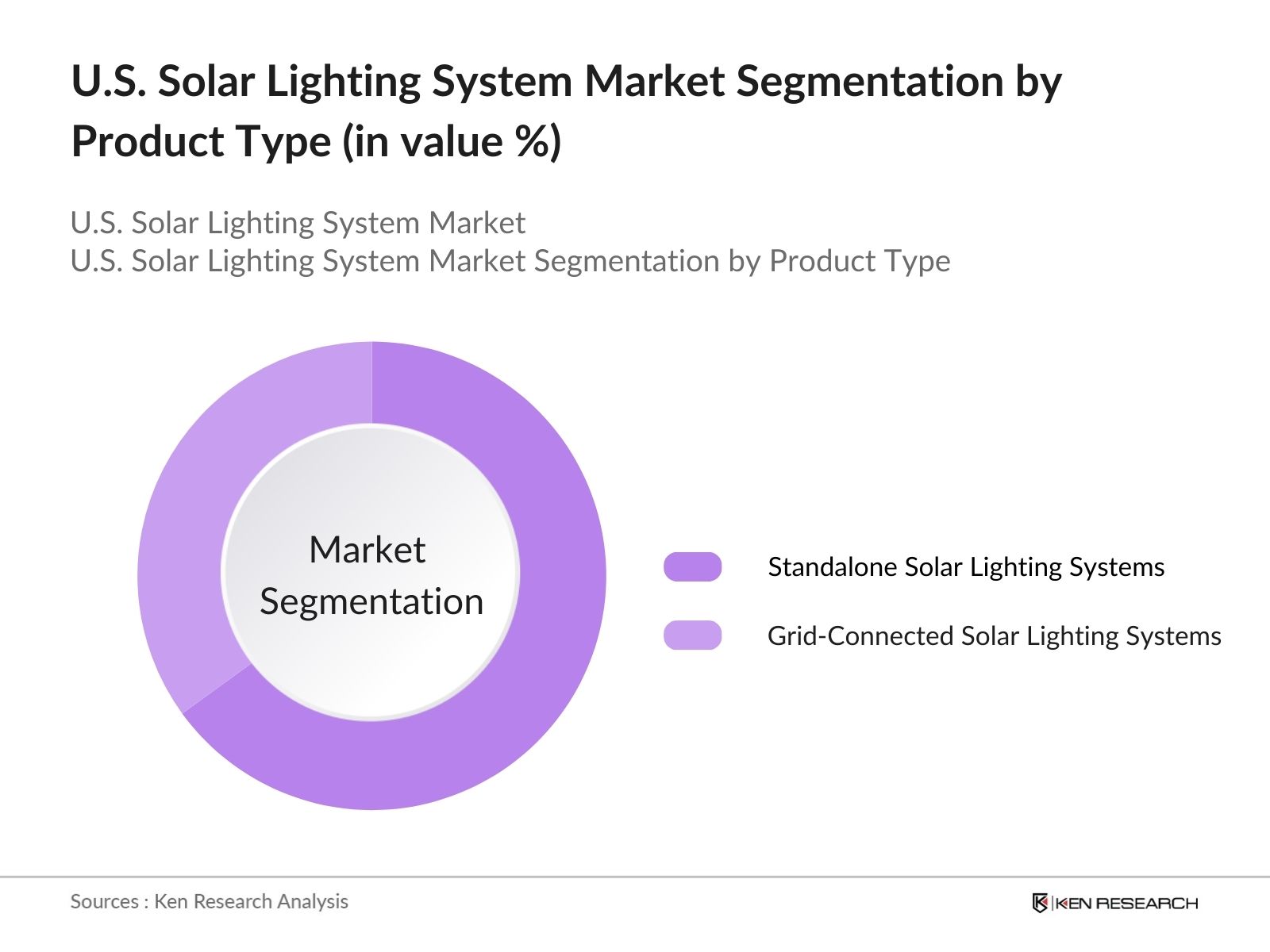
By Product Type: The U.S. Solar Lighting System market is segmented by product type into standalone solar lighting systems and grid-connected solar lighting systems.
Standalone solar lighting systems dominate the market due to their suitability for off-grid applications and rural electrification projects. These systems operate independently of grid connectivity, making them ideal for remote areas and highways. Additionally, their cost-effectiveness and scalability contribute to their widespread adoption.
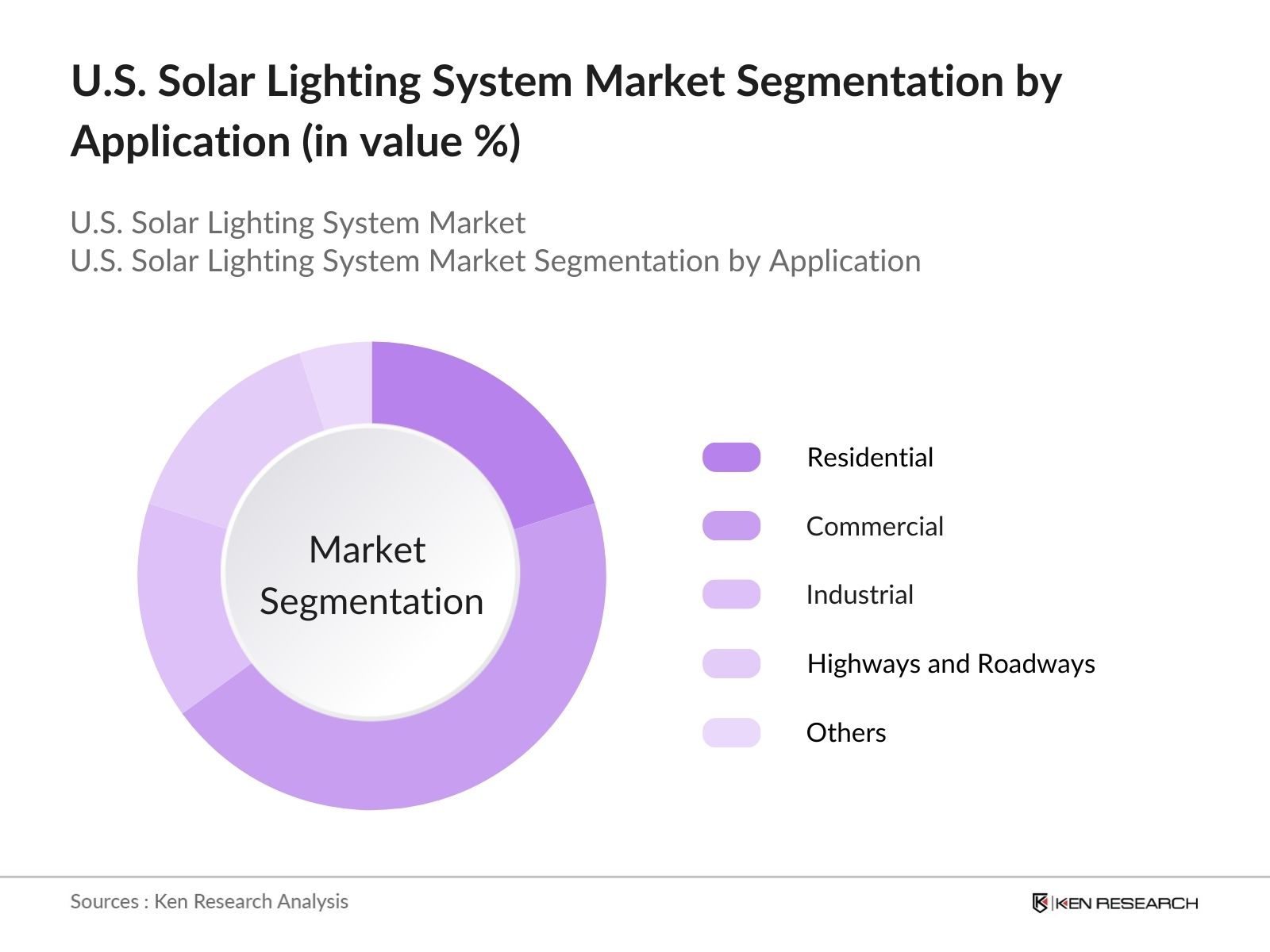
By Application: The market is further segmented by application into residential, commercial, industrial, highways and roadways, and others. The commercial segment holds a dominant share, driven by widespread use in office buildings, malls, and public infrastructure projects. Commercial establishments prioritize energy-efficient lighting to reduce operational costs and comply with sustainability mandates.
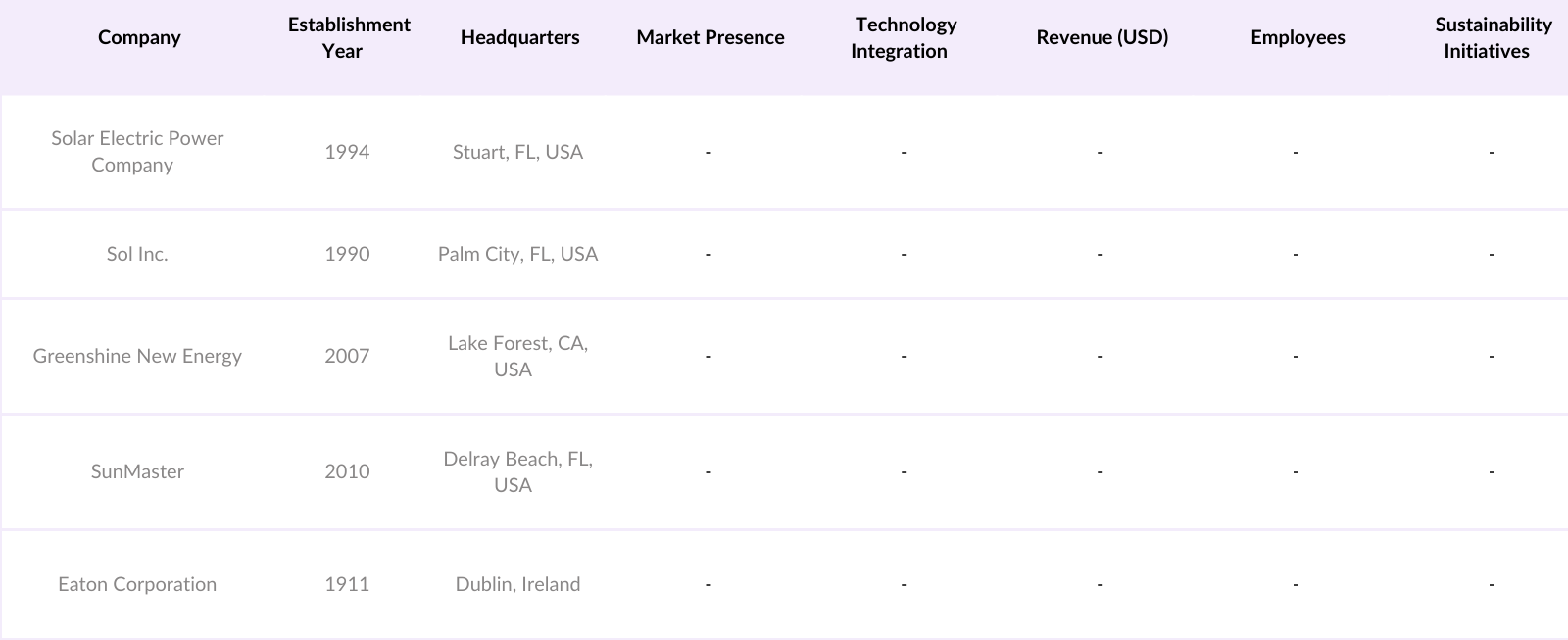
The U.S. Solar Lighting System market is dominated by major players with strong technological capabilities and extensive distribution networks. Companies like Solar Electric Power Company, Sol Inc., and Greenshine New Energy leverage their advanced products and strategic partnerships to secure a significant market position. This consolidation demonstrates the impact of innovation and market outreach.
Growth Drivers
Challenges
Over the next five years, the U.S. Solar Lighting System market is expected to experience robust growth driven by ongoing government support, advancements in solar panel efficiency, and rising consumer awareness of sustainable energy solutions. Increasing adoption in both urban and rural areas, combined with private sector investments in smart cities, will significantly enhance the market's trajectory.
Market Opportunities
|
By Product Type |
- Standalone Solar Lighting Systems |
|
By Light Source |
- Light Emitting Diode (LED) |
|
By Application |
- Residential |
|
By Grid Type |
- Off-Grid |
|
By Region |
- Northeast |
1.1. Definition and Scope
1.2. Market Taxonomy
1.3. Market Growth Rate
1.4. Market Segmentation Overview
2.1. Historical Market Size
2.2. Year-On-Year Growth Analysis
2.3. Key Market Developments and Milestones
3.1. Growth Drivers
3.1.1. Increasing Demand for Energy-Efficient Lighting
3.1.2. Rising Adoption of Renewable Energy Sources
3.1.3. Government Incentives and Subsidies
3.1.4. Technological Advancements in Solar Lighting
3.2. Market Challenges
3.2.1. High Initial Installation Costs
3.2.2. Dependence on Weather Conditions
3.2.3. Competition from Conventional Lighting Systems
3.3. Opportunities
3.3.1. Expansion into Rural and Off-Grid Areas
3.3.2. Integration with Smart City Initiatives
3.3.3. Development of Hybrid Solar Lighting Systems
3.4. Trends
3.4.1. Adoption of LED Technology
3.4.2. Use of IoT in Solar Lighting Systems
3.4.3. Growth in Solar Street Lighting Projects
3.5. Government Regulations
3.5.1. Federal Renewable Energy Policies
3.5.2. State-Level Incentives and Mandates
3.5.3. Environmental Standards and Compliance
3.6. SWOT Analysis
3.7. Stakeholder Ecosystem
3.8. Porters Five Forces Analysis
3.9. Competitive Landscape
4.1. By Product Type (Value %)
4.1.1. Standalone Solar Lighting Systems
4.1.2. Grid-Connected Solar Lighting Systems
4.2. By Light Source (Value %)
4.2.1. Light Emitting Diode (LED)
4.2.2. Compact Fluorescent Lamps (CFL)
4.2.3. Others
4.3. By Application (Value %)
4.3.1. Residential
4.3.2. Commercial
4.3.3. Industrial
4.3.4. Highways and Roadways
4.3.5. Others
4.4. By Grid Type (Value %)
4.4.1. Off-Grid
4.4.2. Hybrid
4.5. By Region (Value %)
4.5.1. Northeast
4.5.2. Midwest
4.5.3. South
4.5.4. West
5.1. Detailed Profiles of Major Companies
5.1.1. Solar Electric Power Company
5.1.2. Sol Inc.
5.1.3. SunMaster
5.1.4. FlexSol Solutions
5.1.5. Signify Holding
5.1.6. Eaton Corporation
5.1.7. Su-Kam Power Systems
5.1.8. Clear Blue Technologies
5.1.9. Jinhua SunMaster Solar Lighting Co., Ltd.
5.1.10. Greenshine New Energy
5.2. Cross Comparison Parameters
Number of Employees
Headquarters
Inception Year
Revenue
Product Portfolio
Market Share
R&D Investment
Regional Presence
5.3. Market Share Analysis
5.4. Strategic Initiatives
5.5. Mergers and Acquisitions
5.6. Investment Analysis
5.6.1. Venture Capital Funding
5.6.2. Government Grants
5.6.3. Private Equity Investments
6.1. Environmental Standards
6.2. Compliance Requirements
6.3. Certification Processes
7.1. Future Market Size Projections
7.2. Key Factors Driving Future Market Growth
8.1. By Product Type (Value %)
8.2. By Light Source (Value %)
8.3. By Application (Value %)
8.4. By Grid Type (Value %)
8.5. By Region (Value %)
9.1. Total Addressable Market (TAM), Serviceable Available Market (SAM), Serviceable Obtainable Market (SOM) Analysis
9.2. Customer Cohort Analysis
9.3. Marketing Initiatives
9.4. White Space Opportunity Analysis
An initial map of stakeholders within the U.S. Solar Lighting System market was created using desk research and database analysis. This step involved identifying the main factors driving demand, including urbanization and renewable energy initiatives.
Historical data was compiled to assess penetration levels, product uptake, and operational efficiencies in the solar lighting sector. Comparative analyses of regions were conducted to pinpoint growth areas.
Hypotheses derived from desk research were validated through interviews with industry stakeholders, including manufacturers and policymakers. These consultations provided insights into regulatory impacts and market trends.
Data was synthesized to create actionable insights. Input from manufacturers and policymakers complemented quantitative findings, ensuring the analysis reflects real-world market conditions accurately.
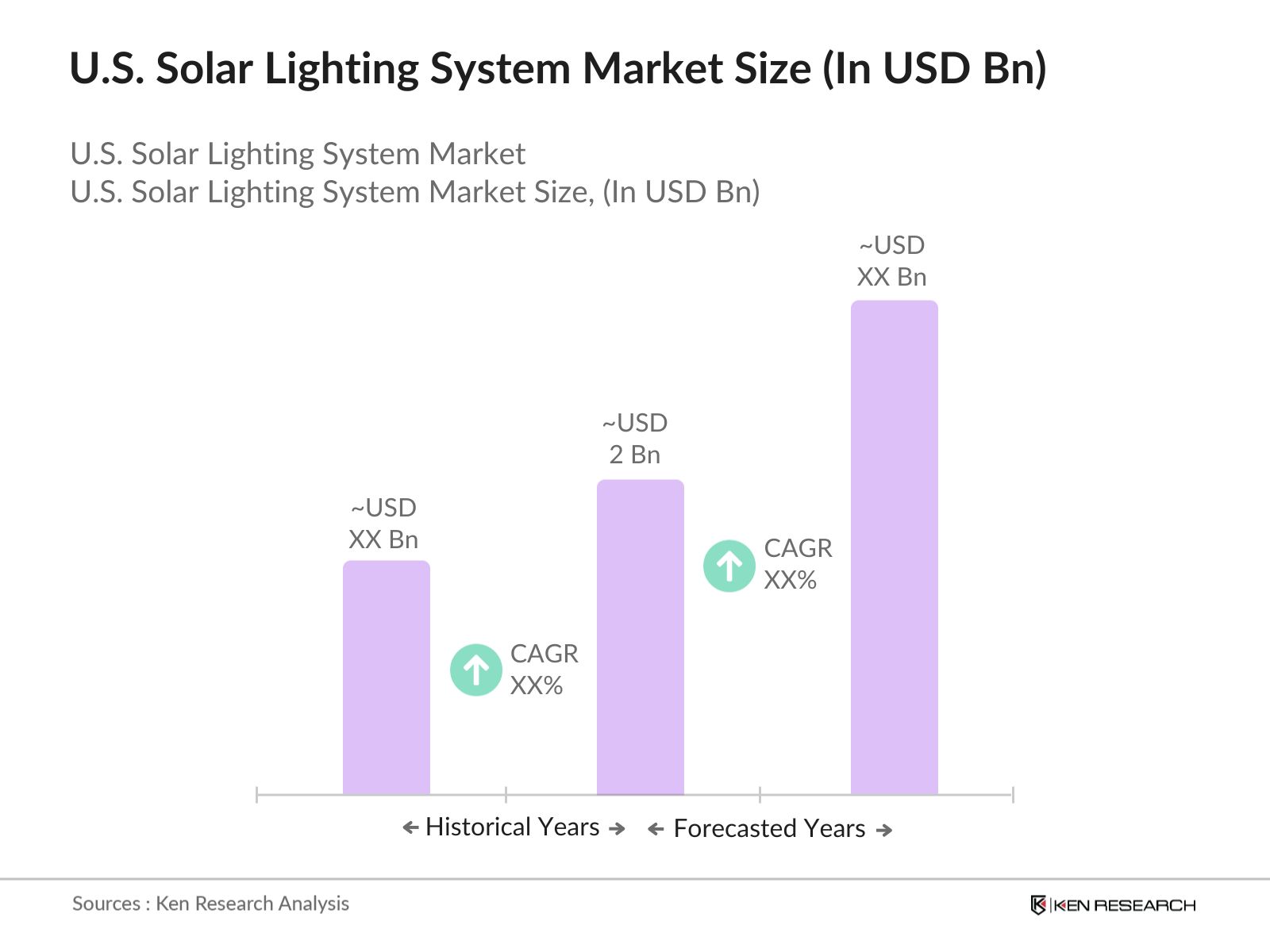
The U.S. Solar Lighting System market is valued at USD 3 billion, driven by rising renewable energy adoption, technological innovation, and supportive government policies.
Challenges in U.S. Solar Lighting System market include high initial setup costs, dependence on weather conditions, and competition from conventional lighting systems.
Key players in U.S. Solar Lighting System market include Solar Electric Power Company, Sol Inc., Greenshine New Energy, SunMaster, and Eaton Corporation. The U.S. Solar Lighting System market is dominated by major players with strong technological capabilities and extensive distribution networks
Growth drivers in US. Solar Lighting System market include government incentives for renewable energy, advancements in solar panel efficiency, and increasing adoption in smart city projects.

What makes us stand out is that our consultants follows Robust, Refine and Result (RRR) methodology. i.e. Robust for clear definitions, approaches and sanity checking, Refine for differentiating respondents facts and opinions and Result for presenting data with story

We have set a benchmark in the industry by offering our clients with syndicated and customized market research reports featuring coverage of entire market as well as meticulous research and analyst insights.

While we don't replace traditional research, we flip the method upside down. Our dual approach of Top Bottom & Bottom Top ensures quality deliverable by not just verifying company fundamentals but also looking at the sector and macroeconomic factors.

With one step in the future, our research team constantly tries to show you the bigger picture. We help with some of the tough questions you may encounter along the way: How is the industry positioned? Best marketing channel? KPI's of competitors? By aligning every element, we help maximize success.

Our report gives you instant access to the answers and sources that other companies might choose to hide. We elaborate each steps of research methodology we have used and showcase you the sample size to earn your trust.

If you need any support, we are here! We pride ourselves on universe strength, data quality, and quick, friendly, and professional service.