
Vietnam Breakfast Cereals Market Outlook to 2030
Region:Vietnam
Author(s):Shubham Kashyap
Product Code:KROD3262
Region:Vietnam
Author(s):Shubham Kashyap
Product Code:KROD3262
November 2024
97
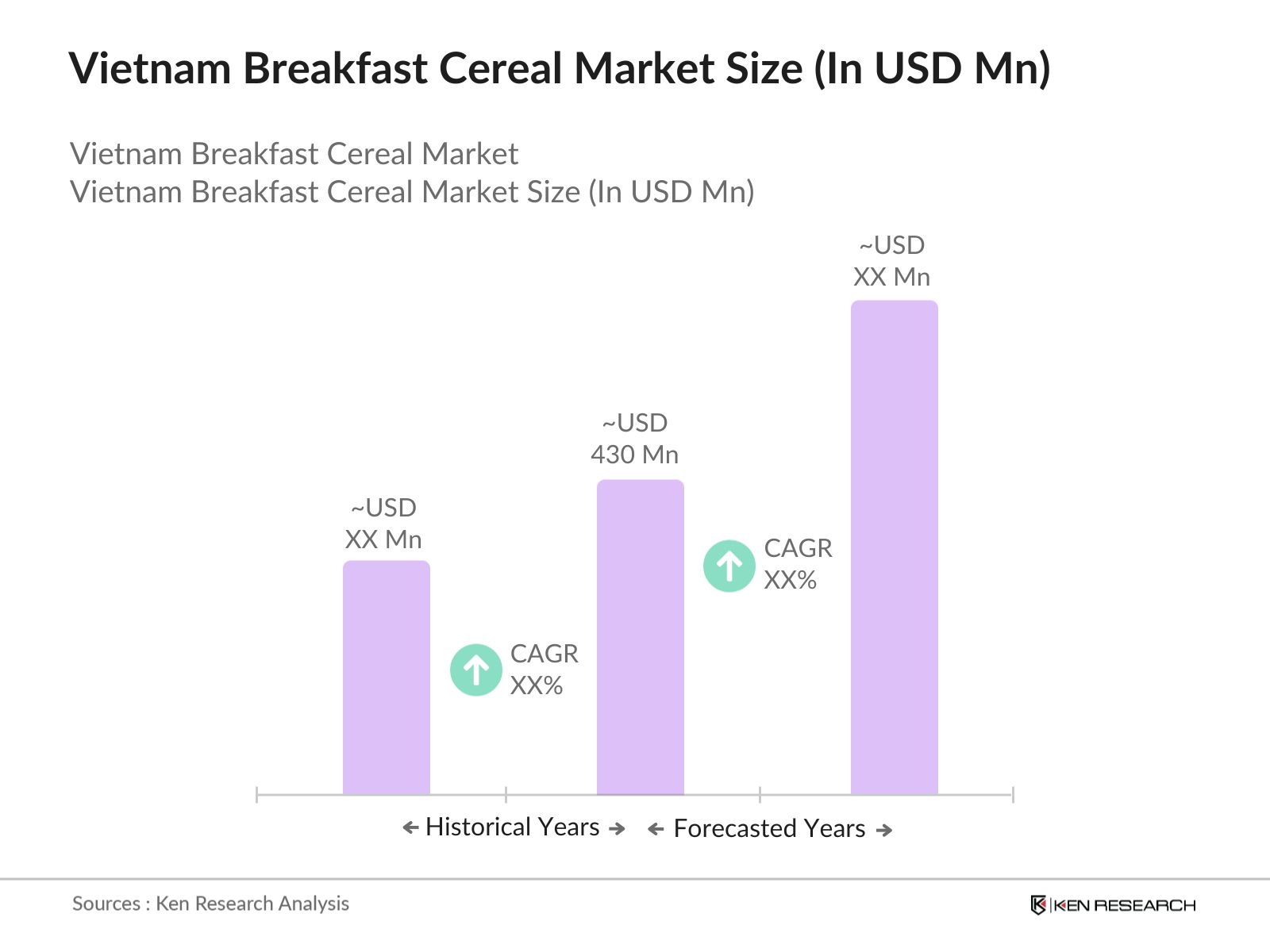
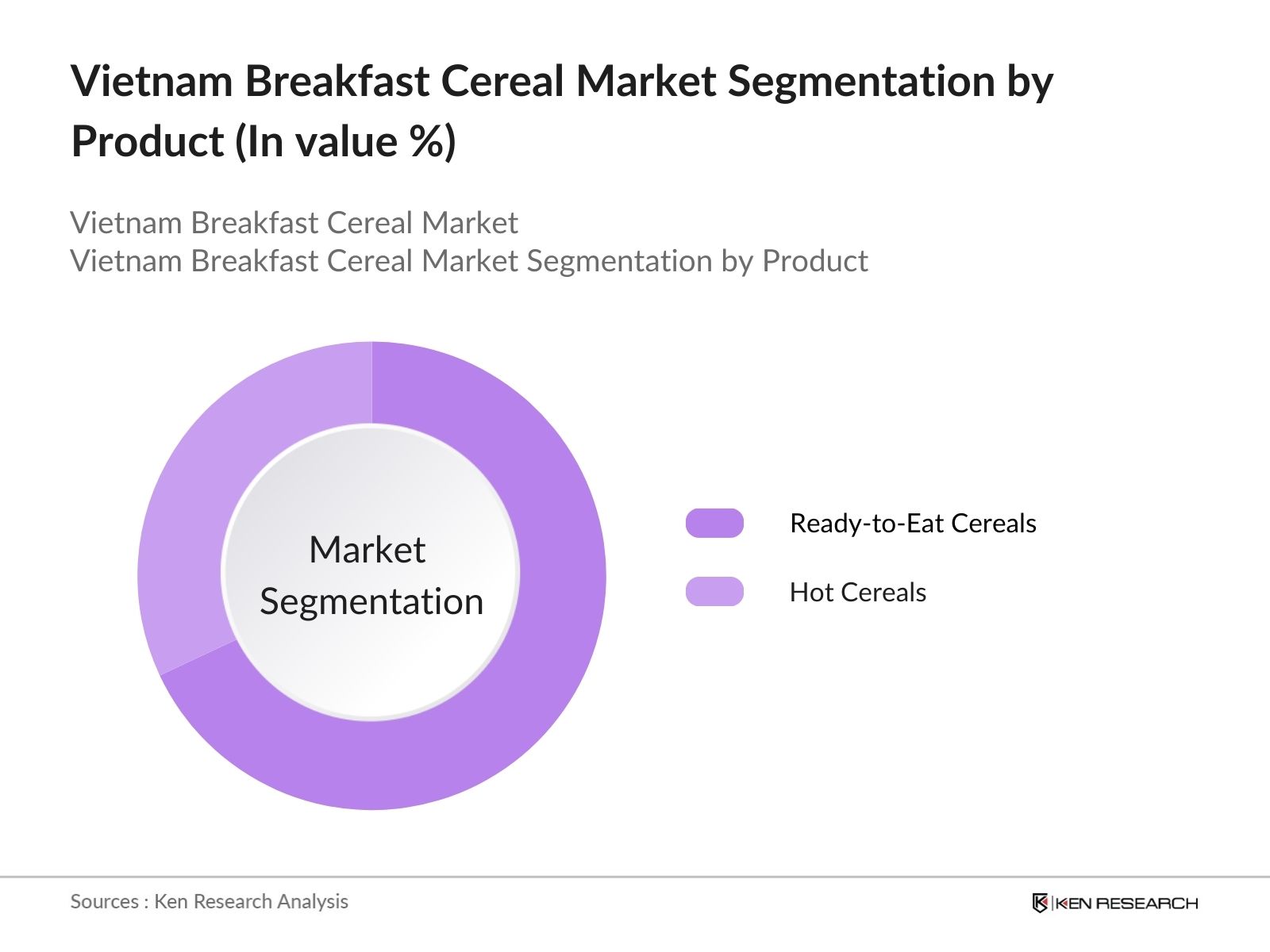
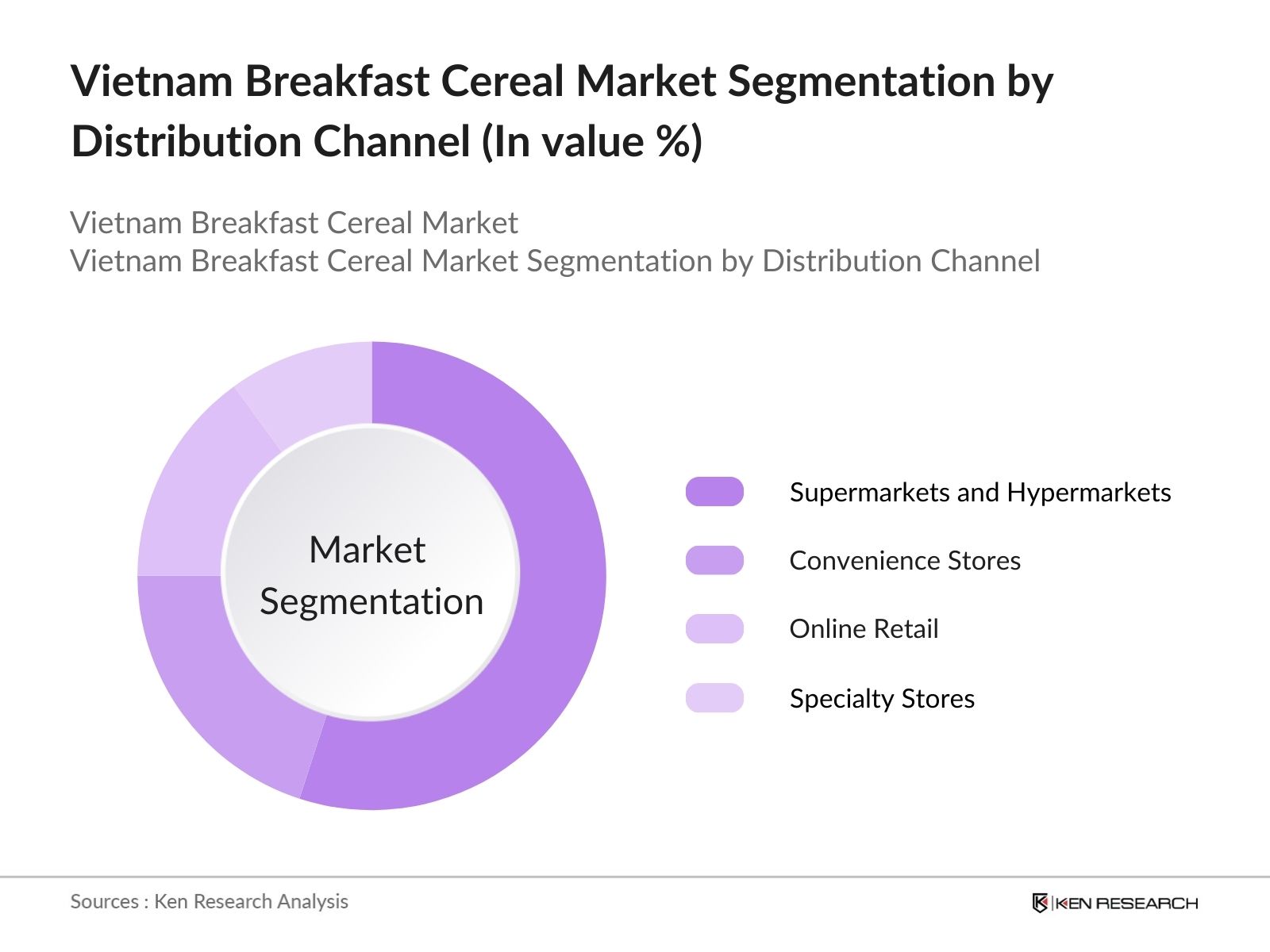
The Vietnam Breakfast Cereal Market is competitive, with both local and international brands competing for market share. Major international players like Nestl, Kelloggs, and PepsiCo dominate the market, particularly in the premium segment, while local brands are focusing on affordable options tailored to the tastes of Vietnamese consumers.
Companies are increasingly investing in product innovation, introducing healthier options such as cereals fortified with vitamins and minerals, low-sugar varieties, and organic options. The competition is also heating up in terms of distribution, with many companies partnering with e-commerce platforms to capture the growing online consumer base.
|
Company |
Establishment Year |
Headquarters |
Revenue (2023) |
Product Range |
R&D Investments |
Market Presence |
Distribution Network |
Strategic Initiatives |
|
Nestl |
1867 |
Vevey, Switzerland |
||||||
|
Kelloggs |
1906 |
Battle Creek, USA |
||||||
|
PepsiCo (Quaker) |
1965 |
New York, USA |
||||||
|
Vinamilk |
1976 |
Ho Chi Minh City, VN |
||||||
|
General Mills |
1928 |
Minneapolis, USA |
Growth Drivers
Market Challenges
The Vietnam Breakfast Cereal Market is projected to grow steadily, driven by increasing urbanization, rising disposable incomes, and the growing influence of Western eating habits. As consumer preferences continue to shift towards convenient and healthy food options, the demand for breakfast cereals is expected to rise.
Future Market Opportunities
|
By Product |
Ready-to-Eat Cereals Hot Cereals |
|
By Distribution Channel |
Supermarkets and Hypermarkets Convenience Stores Online Retail Specialty Stores |
|
By Age Group |
Children Adults |
|
By Price Segment |
Premium Mid-range Economy |
|
By Ingredient Type |
Grain-Based Cereals Fruit and Nut-Infused Cereals Organic Cereals |
1.1. Definition and Scope
1.2. Market Taxonomy
1.3. Market Growth Rate
1.4. Market Segmentation Overview
2.1. Historical Market Size
2.2. Year-on-Year Growth Analysis
2.3. Key Market Developments and Milestones
03 Vietnam Breakfast Cereal Market Analysis
3.1. Growth Drivers
3.1.1. Increasing Urbanization
3.1.2. Shift to Healthy Eating Habits
3.1.3. Rise in Disposable Income (urban consumers)
3.1.4. Expansion of E-commerce Channels
3.2. Market Challenges
3.2.1. High Reliance on Imports
3.2.2. Competition from Traditional Breakfast Options
3.2.3. Limited Domestic Production
3.3. Opportunities
3.3.1. Innovation in Localized Flavors
3.3.2. Growing Demand for Organic Cereals
3.3.3. Expansion of Distribution Networks in Rural Areas
3.4. Trends
3.4.1. Increasing Popularity of Low-Sugar and Gluten-Free Products
3.4.2. Rise in Premium Cereals Targeting Health-Conscious Consumers
3.4.3. Emergence of Plant-Based Cereal Products
3.5. Government Regulation
3.5.1. Food Safety Standards (Vietnam Food Administration)
3.5.2. Import Tariff Regulations on Processed Foods
3.5.3. National Campaigns for Healthy Eating Habits
4.1. By Product Type (In Value %)
4.1.1. Ready-to-Eat Cereals
4.1.2. Hot Cereals
4.2. By Distribution Channel (In Value %)
4.2.1. Supermarkets and Hypermarkets
4.2.2. Convenience Stores
4.2.3. Online Retail
4.2.4. Specialty Stores
4.3. By Age Group (In Value %)
4.3.1. Children
4.3.2. Adults
4.4. By Price Segment (In Value %)
4.4.1. Premium
4.4.2. Mid-range
4.4.3. Economy
4.5. By Ingredient Type (In Value %)
4.5.1. Grain-Based Cereals
4.5.2. Fruit and Nut-Infused Cereals
4.5.3. Organic Cereals
5.1. Detailed Profiles of Major Companies
5.1.1. Nestl S.A.
5.1.2. Kelloggs
5.1.3. PepsiCo (Quaker Oats)
5.1.4. General Mills
5.1.5. Weetabix Food Company
5.1.6. Post Holdings, Inc.
5.1.7. Vinamilk
5.1.8. Calbee
5.1.9. Sanitarium Health Food Company
5.1.10. Mondelez International
5.1.11. Bobs Red Mill Natural Foods
5.1.12. Marico Vietnam
5.1.13. Organiclife Vietnam
5.1.14. Dongsuh Foods
5.1.15. Alpen Food Company
5.2. Cross Comparison Parameters (No. of Employees, Revenue, Inception Year, Headquarters, Product Portfolio, Market Share, R&D Investments, Distribution Networks)
5.3. Market Share Analysis
5.4. Strategic Initiatives
5.5. Mergers and Acquisitions
5.6. Investment Analysis
5.7. Government Grants
6.1. Import Regulations and Tariff Policies
6.2. Food Safety and Quality Standards (Vietnam Food Administration)
6.3. Certification and Labeling Requirements
7.1. Future Market Size Projections
7.2. Key Factors Driving Future Market Growth
8.1. By Product Type (In Value %)
8.2. By Distribution Channel (In Value %)
8.3. By Price Segment (In Value %)
8.4. By Ingredient Type (In Value %)
8.5. By Age Group (In Value %)
9.1. TAM/SAM/SOM Analysis
9.2. Customer Cohort Analysis
9.3. Marketing Initiatives
9.4. White Space Opportunity Analysis
The initial phase involves constructing a detailed ecosystem map of the Vietnam Breakfast Cereal Market, identifying major stakeholders, and conducting extensive desk research to gather comprehensive industry-level information. Key variables include product types, distribution channels, and market growth drivers.
This phase focuses on gathering historical data regarding the Vietnam Breakfast Cereal Market, including market size, product penetration, and revenue analysis. The data is validated through secondary research and confirmed using proprietary databases and public records from credible government bodies.
Hypotheses developed in the earlier phases are validated through consultations with industry experts using structured interviews. These consultations ensure accurate data collection and provide key insights into operational and financial trends within the market.
The final phase consolidates findings from all previous steps, verifying the data through additional primary research methods. The output is a comprehensive, accurate report on the Vietnam Breakfast Cereal Market, tailored for business professionals.
The Vietnam Breakfast Cereal Market is valued at USD 430 million, driven by increasing urbanization, changing consumer preferences, and a growing demand for convenient food options.
Challenges include reliance on imported cereals, competition from traditional breakfast options, and the relatively limited local production of breakfast cereals. These factors impact both market growth and product pricing.
Major players include Nestl, Kelloggs, PepsiCo, Vinamilk, and General Mills, all of whom dominate the market due to their strong distribution networks, product innovation, and brand recognition.
Key growth drivers include the rise of the middle-class population, urbanization, and increasing health awareness. The demand for ready-to-eat cereals has grown, especially among health-conscious consumers.

What makes us stand out is that our consultants follows Robust, Refine and Result (RRR) methodology. i.e. Robust for clear definitions, approaches and sanity checking, Refine for differentiating respondents facts and opinions and Result for presenting data with story

We have set a benchmark in the industry by offering our clients with syndicated and customized market research reports featuring coverage of entire market as well as meticulous research and analyst insights.

While we don't replace traditional research, we flip the method upside down. Our dual approach of Top Bottom & Bottom Top ensures quality deliverable by not just verifying company fundamentals but also looking at the sector and macroeconomic factors.

With one step in the future, our research team constantly tries to show you the bigger picture. We help with some of the tough questions you may encounter along the way: How is the industry positioned? Best marketing channel? KPI's of competitors? By aligning every element, we help maximize success.

Our report gives you instant access to the answers and sources that other companies might choose to hide. We elaborate each steps of research methodology we have used and showcase you the sample size to earn your trust.

If you need any support, we are here! We pride ourselves on universe strength, data quality, and quick, friendly, and professional service.