
KSA Snacks Market Outlook to 2030
Region:Saudi Arabia
Author(s):Shambhavi Awasthi
Product Code:KROD3637
Region:Saudi Arabia
Author(s):Shambhavi Awasthi
Product Code:KROD3637
December 2024
99
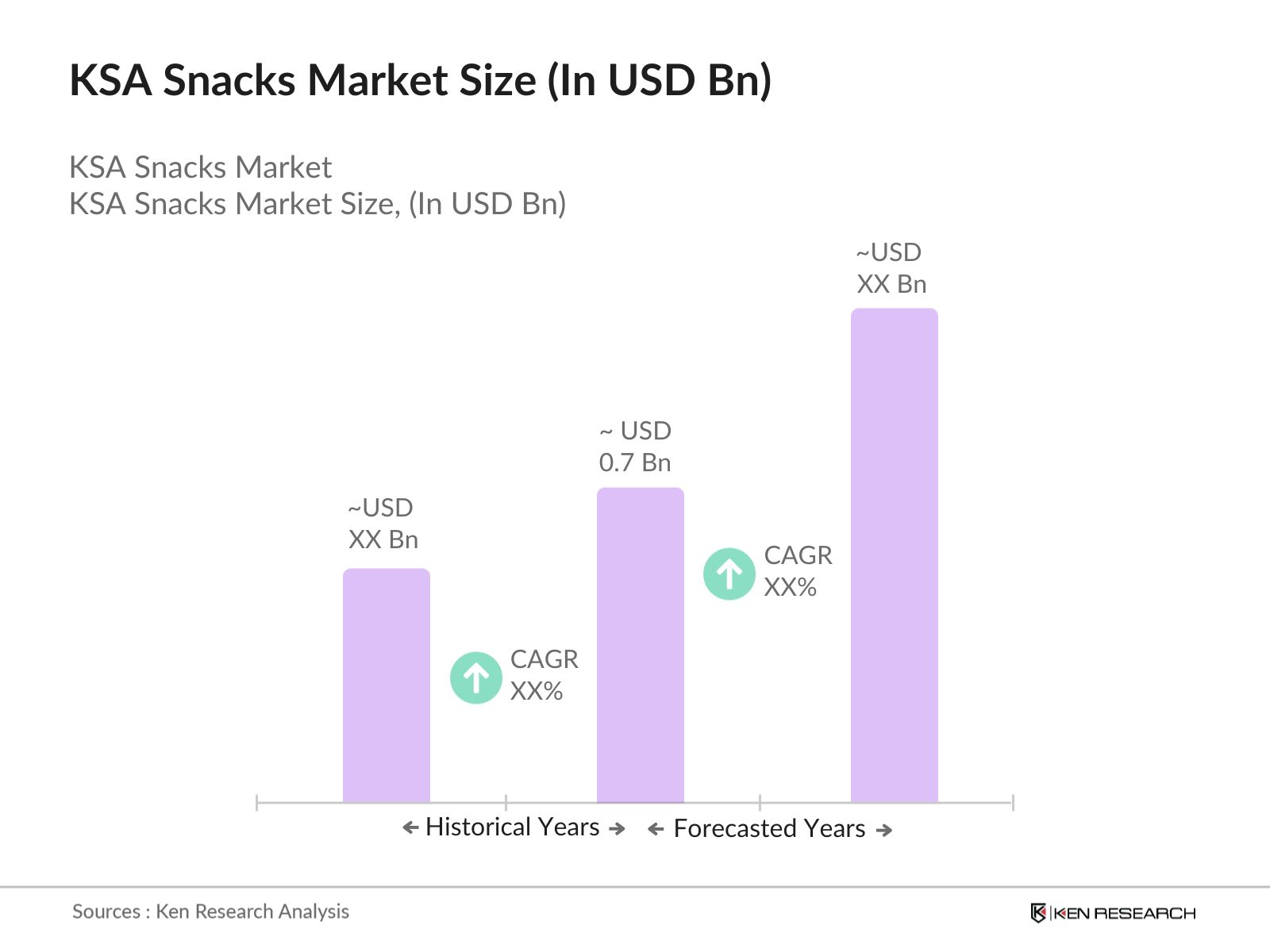
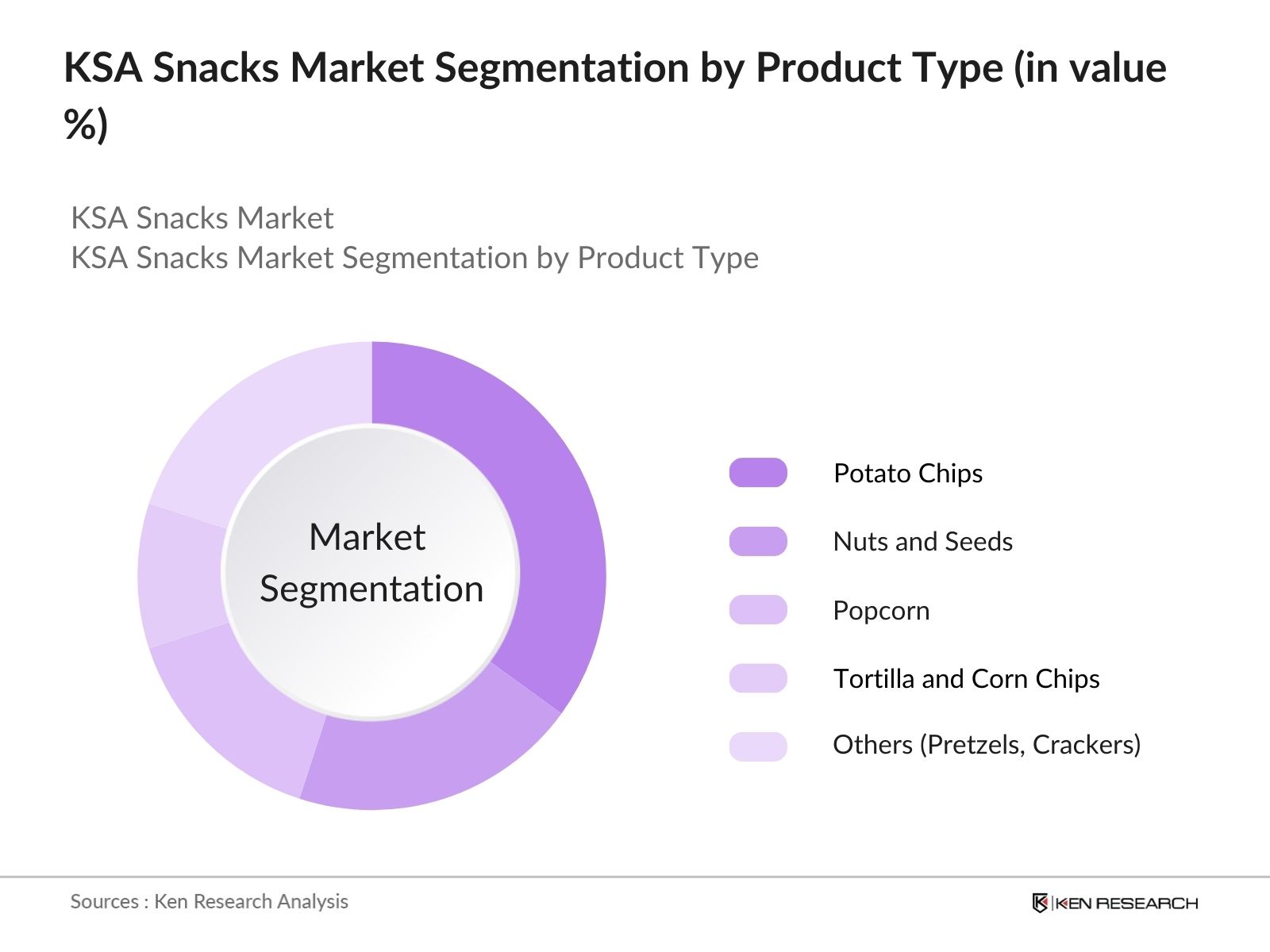
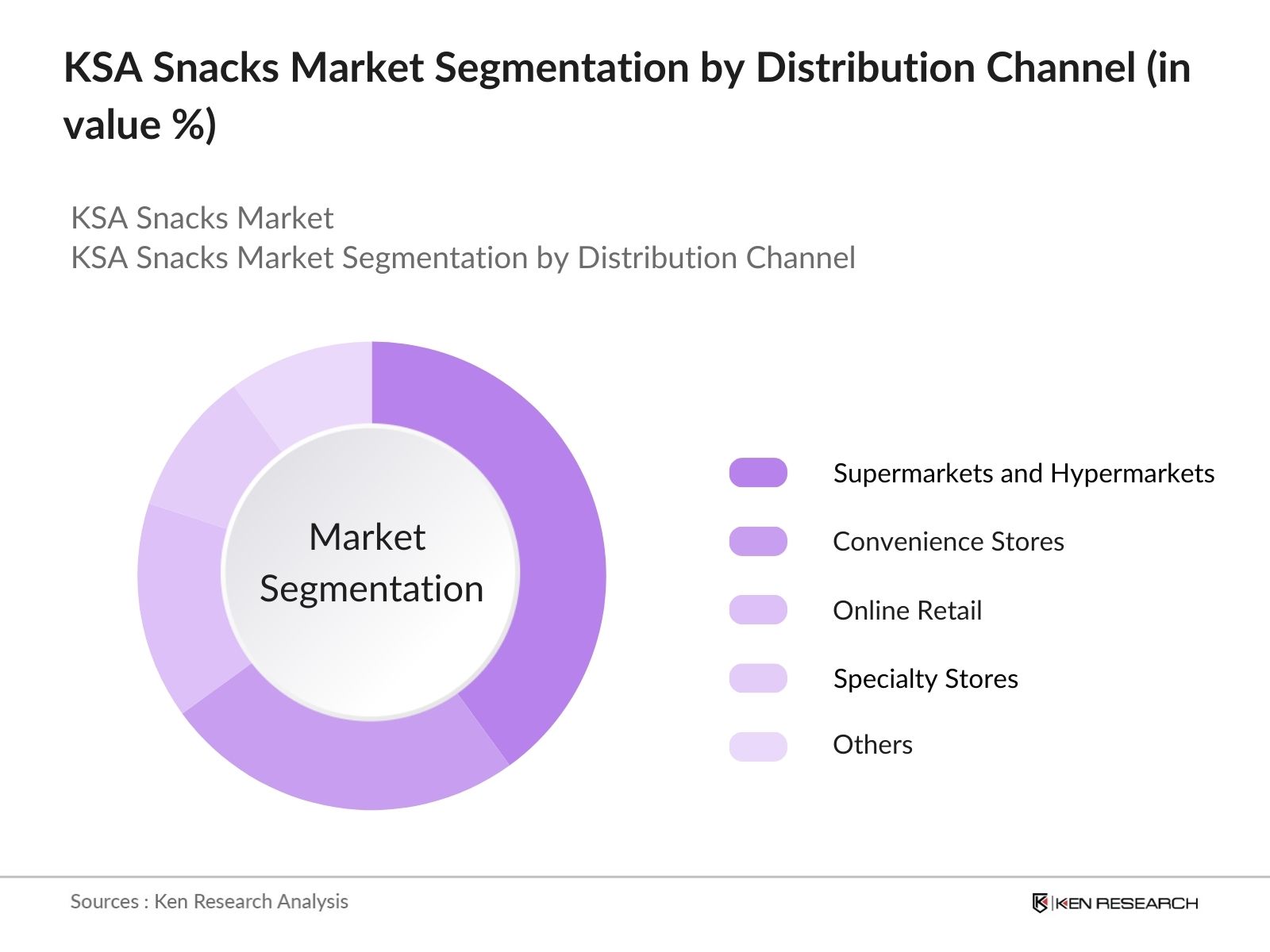
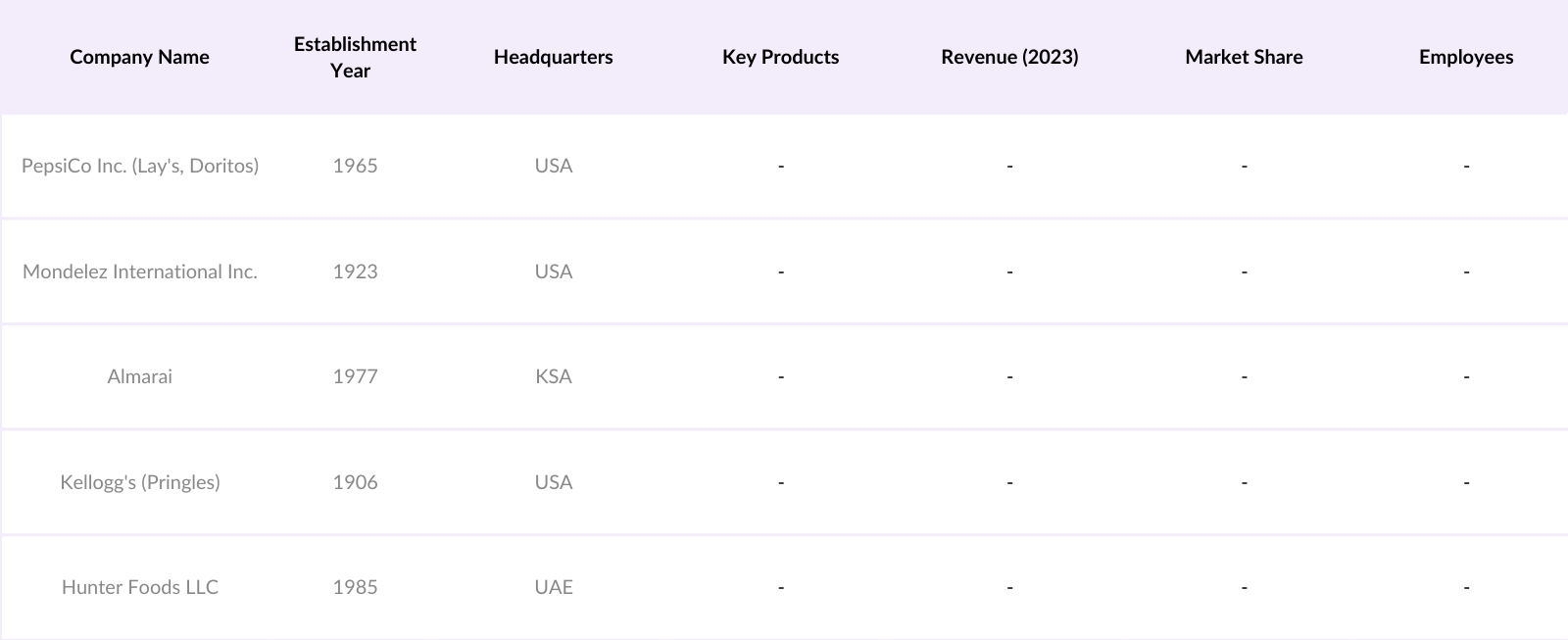
The KSA snacks market is characterized by a combination of global giants and local players, with a highly competitive environment. PepsiCo, Mondelez, and Almarai lead the market due to their strong brand portfolios and extensive distribution networks. Local manufacturers also play a key role by offering culturally relevant products and maintaining competitive pricing.
The Saudi government has implemented various initiatives to boost domestic food manufacturing, reducing reliance on imports and encouraging local production. Through Vision 2030, the government has allocated approximately $1.3 billion to enhance food production infrastructure. These initiatives aim to diversify the economy by increasing local food manufacturing, including snack production. Incentives such as tax breaks for local manufacturers and reduced tariffs on raw materials have further encouraged the growth of the snack manufacturing industry, which is expected to meet a significant portion of domestic demand in the coming years.
Over the next five years, the KSA snacks market is expected to experience significant growth, driven by shifting consumer preferences towards healthier, low-calorie snacks, and the increasing penetration of e-commerce channels. The rise of conscious consumerism, coupled with government efforts to localize food production, is likely to push the development of healthier snack alternatives. Urbanization, a growing youth population, and international influence will also continue to propel demand for a variety of snack options, further diversifying the market.
|
Segment |
Sub-Segments |
|
By Product Type |
Potato Chips Nuts and Seeds Popcorn Tortilla and Corn Chips Others (Pretzels, Crackers, etc.) |
|
By Distribution Channel |
Supermarkets and Hypermarkets Convenience Stores Online Retail Specialty Stores Others (Direct Sales, Vending Machines, etc.) |
|
By Packaging Type |
Flexible Packaging Rigid Packaging Paperboard Others (Glass, Metal, etc.) |
|
By Flavor Profile |
Savory Sweet Spicy Mixed Flavors |
|
By Region |
Riyadh Jeddah Mecca Dammam Al Khobar Abha Jizan) |
1.1. Definition and Scope
1.2. Market Taxonomy
1.3. Market Growth Rate
1.4. Market Segmentation Overview
2.1. Historical Market Size
2.2. Year-On-Year Growth Analysis
2.3. Key Market Developments and Milestones
3.1. Growth Drivers
3.1.1. Rising Demand for Health-Conscious Snacks (Health Trends)
3.1.2. Urbanization and Expanding Retail Networks (Distribution Channels)
3.1.3. Increasing Youth Population and Western Influence (Demographic Trends)
3.1.4. Government Initiatives Supporting Food Manufacturing (Regulatory Factors)
3.2. Market Challenges
3.2.1. Intense Competition from International Brands (Competitive Landscape)
3.2.2. Price Sensitivity Among Consumers (Pricing Trends)
3.2.3. Fluctuations in Raw Material Prices (Supply Chain Volatility)
3.2.4. Stringent Health and Food Regulations (Compliance Issues)
3.3. Opportunities
3.3.1. Growing Demand for Organic and Gluten-Free Snacks (Health-Conscious Products)
3.3.2. Expansion of E-Commerce Channels (Digital Transformation)
3.3.3. Emerging Innovative Packaging Solutions (Sustainable Packaging)
3.3.4. Private Label Products (Retailer Strategies)
3.4. Trends
3.4.1. Increased Focus on Nutritional Labeling (Regulatory Trends)
3.4.2. Rise in Premium and Gourmet Snack Categories (Premiumization)
3.4.3. Incorporation of Local Flavors and Ingredients (Localization Trends)
3.4.4. Use of Sustainable Packaging (Environmental Concerns)
3.5. Government Regulations
3.5.1. Saudi Food and Drug Authority (SFDA) Guidelines (Regulatory Body)
3.5.2. Import Tariffs and Restrictions (Trade Policies)
3.5.3. Halal Certification Requirements (Compliance)
3.5.4. Public-Private Partnerships in Food Production (Economic Programs)
3.6. SWOT Analysis
3.6.1. Strengths
3.6.2. Weaknesses
3.6.3. Opportunities
3.6.4. Threats
3.7. Stakeholder Ecosystem
3.8. Porters Five Forces Analysis
3.9. Competitive Ecosystem
4.1. By Product Type (In Value %)
4.1.1. Potato Chips
4.1.2. Nuts and Seeds
4.1.3. Popcorn
4.1.4. Tortilla and Corn Chips
4.1.5. Others (Pretzels, Crackers, etc.)
4.2. By Distribution Channel (In Value %)
4.2.1. Supermarkets and Hypermarkets
4.2.2. Convenience Stores
4.2.3. Online Retail
4.2.4. Specialty Stores
4.2.5. Others (Direct Sales, Vending Machines, etc.)
4.3. By Packaging Type (In Value %)
4.3.1. Flexible Packaging
4.3.2. Rigid Packaging
4.3.3. Paperboard
4.3.4. Others (Glass, Metal, etc.)
4.4. By Flavor Profile (In Value %)
4.4.1. Savory
4.4.2. Sweet
4.4.3. Spicy
4.4.4. Mixed Flavors
4.5. By Region (In Value %)
4.5.1. Central Saudi Arabia
4.5.2. Western Saudi Arabia
4.5.3. Eastern Saudi Arabia
4.5.4. Northern Saudi Arabia
4.5.5. Southern Saudi Arabia
5.1. Detailed Profiles of Major Companies
5.1.1. PepsiCo Inc. (Lays, Doritos)
5.1.2. Mondelez International Inc. (Oreo, Ritz)
5.1.3. Kellogg's (Pringles)
5.1.4. Almarai (Private Label Snacks)
5.1.5. Saudi Snack Foods Co.
5.1.6. National Biscuits and Confectionery Co. Ltd.
5.1.7. United Food Industries Corp.
5.1.8. Mars GCC
5.1.9. Savola Group (Panda Snacks)
5.1.10. Sunbulah Group
5.1.11. Hunter Foods LLC
5.1.12. Ferrero Middle East (Kinder)
5.1.13. Baladna Food Industries
5.1.14. Americana Group
5.1.15. Halwani Bros Co.
5.2. Cross Comparison Parameters (No. of Employees, Headquarters, Inception Year, Revenue, Market Share, Product Portfolio, Market Presence, Distribution Reach)
5.3. Market Share Analysis
5.4. Strategic Initiatives
5.5. Mergers And Acquisitions
5.6. Investment Analysis
5.7. Private Equity and Venture Capital Funding
6.1. Saudi Food Regulations
6.2. Compliance Requirements for Imported Products
6.3. Certification Processes for Local Manufacturers
7.1. Future Market Size Projections
7.2. Key Factors Driving Future Market Growth
8.1. By Product Type (In Value %)
8.2. By Distribution Channel (In Value %)
8.3. By Packaging Type (In Value %)
8.4. By Flavor Profile (In Value %)
8.5. By Region (In Value %)
9.1. TAM/SAM/SOM Analysis
9.2. Consumer Cohort Analysis
9.3. Marketing Initiatives for Local Brands
9.4. White Space Opportunity Analysis
Disclaimer Contact UsThe first step involves constructing a comprehensive ecosystem of the KSA Snacks Market, identifying stakeholders, key trends, and growth factors. This was conducted through extensive secondary research, using proprietary databases and industry reports.
In this phase, historical data on market size, segmentation, and consumer behavior were compiled. Market share estimates for various product types and distribution channels were calculated by cross-referencing industry reports with local sales data.
Market hypotheses were validated through interviews with industry experts and major stakeholders within the KSA food and beverage sector. This step involved in-depth consultations, gathering insights on challenges, opportunities, and competitive strategies in the market.
The final stage involved synthesizing the research data, compiling insights on market dynamics, competitive landscape, and future projections. The validated data was then used to formulate detailed conclusions, ensuring a robust and reliable analysis of the KSA Snacks Market.
The KSA snacks market was valued at SAR 4 billion in 2023, driven by consumer preferences for convenient, ready-to-eat products and healthier snacking options.
Challenges include intense competition from international brands, fluctuating raw material prices, and stringent health regulations. Additionally, maintaining consumer loyalty in a price-sensitive market is a hurdle for local brands.
Key players include PepsiCo Inc., Mondelez International Inc., Almarai, Kellogg's (Pringles), and Hunter Foods LLC. These companies dominate due to their extensive distribution networks, innovative product offerings, and strong brand presence.
Growth is driven by rising demand for healthier snack options, expanding retail channels, and urbanization. Additionally, the government's initiatives to support local food production and economic diversification also contribute to market growth.
The market is becoming increasingly competitive, with a mix of global giants and local manufacturers vying for consumer attention. Key players are focusing on product innovation, sustainable packaging, and strategic partnerships to maintain their market share.

What makes us stand out is that our consultants follows Robust, Refine and Result (RRR) methodology. i.e. Robust for clear definitions, approaches and sanity checking, Refine for differentiating respondents facts and opinions and Result for presenting data with story

We have set a benchmark in the industry by offering our clients with syndicated and customized market research reports featuring coverage of entire market as well as meticulous research and analyst insights.

While we don't replace traditional research, we flip the method upside down. Our dual approach of Top Bottom & Bottom Top ensures quality deliverable by not just verifying company fundamentals but also looking at the sector and macroeconomic factors.

With one step in the future, our research team constantly tries to show you the bigger picture. We help with some of the tough questions you may encounter along the way: How is the industry positioned? Best marketing channel? KPI's of competitors? By aligning every element, we help maximize success.

Our report gives you instant access to the answers and sources that other companies might choose to hide. We elaborate each steps of research methodology we have used and showcase you the sample size to earn your trust.

If you need any support, we are here! We pride ourselves on universe strength, data quality, and quick, friendly, and professional service.