Why Advancing Agentic AI Maturity Is Critical for Enterprise Workflow Transformation?
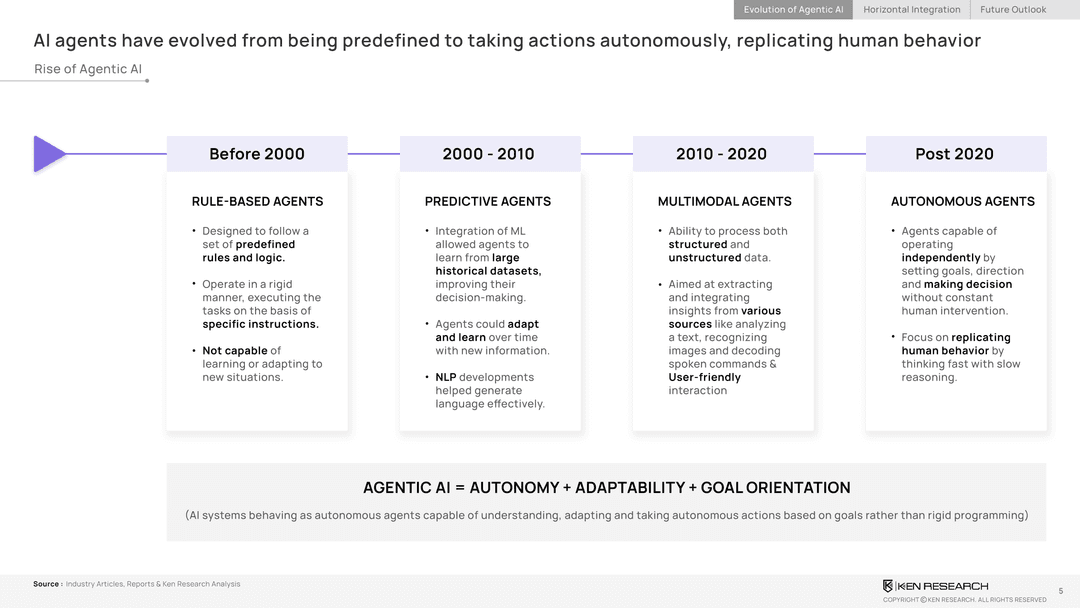
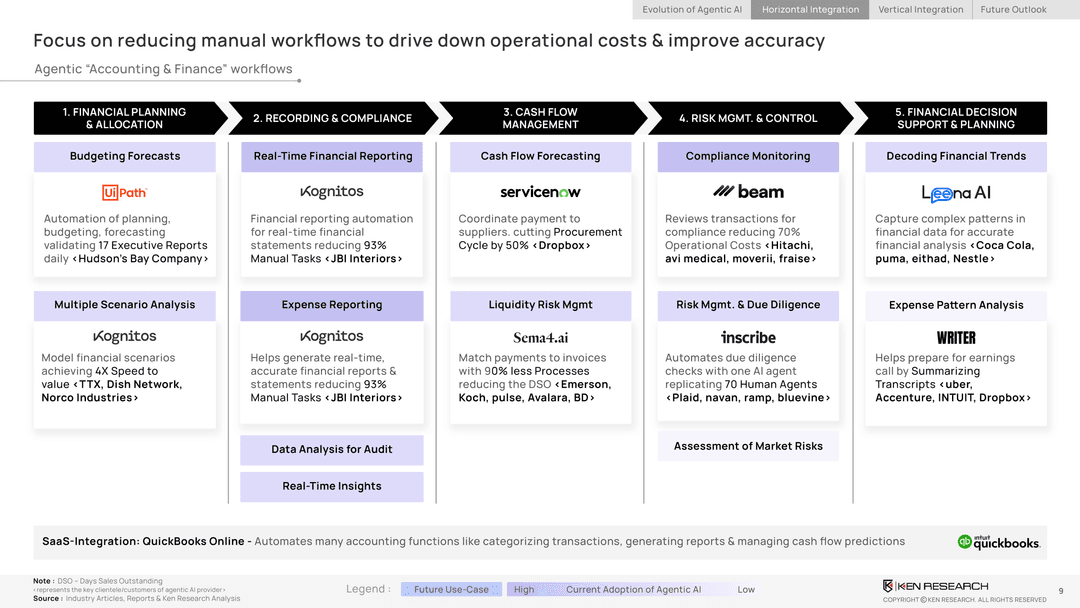
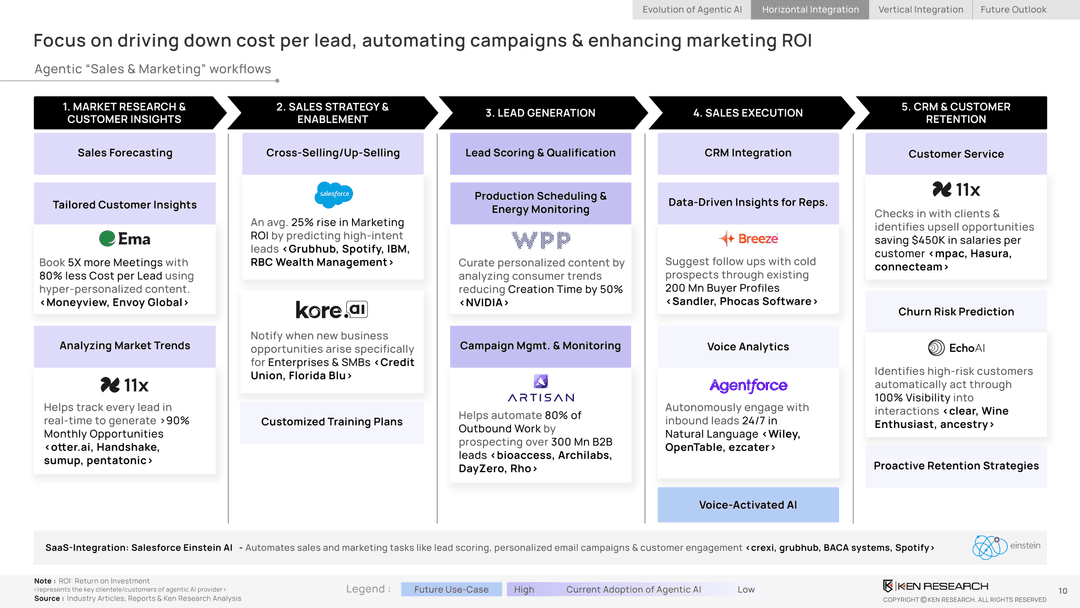
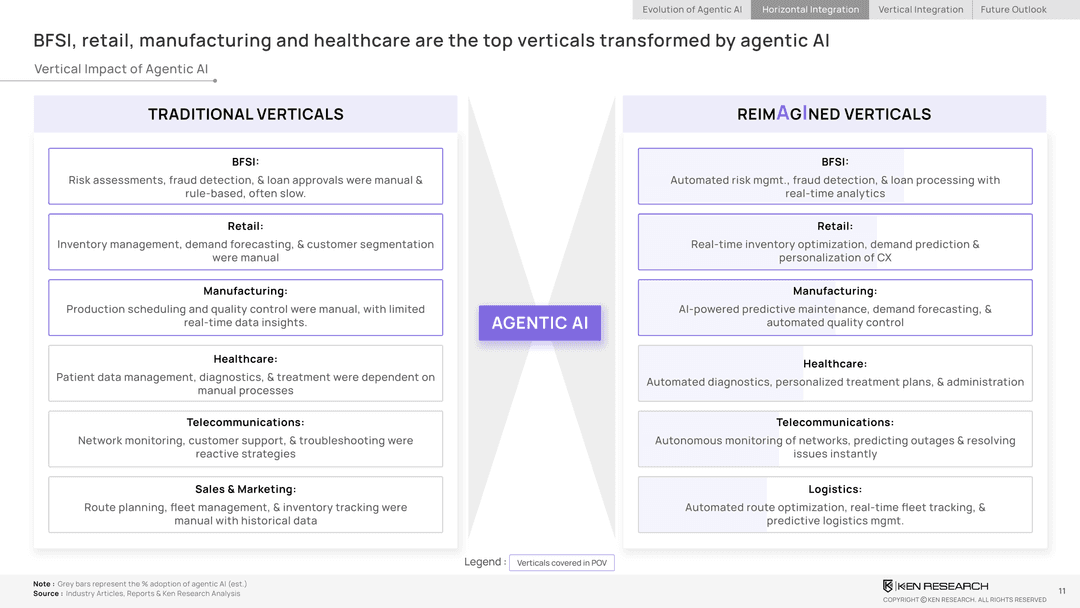
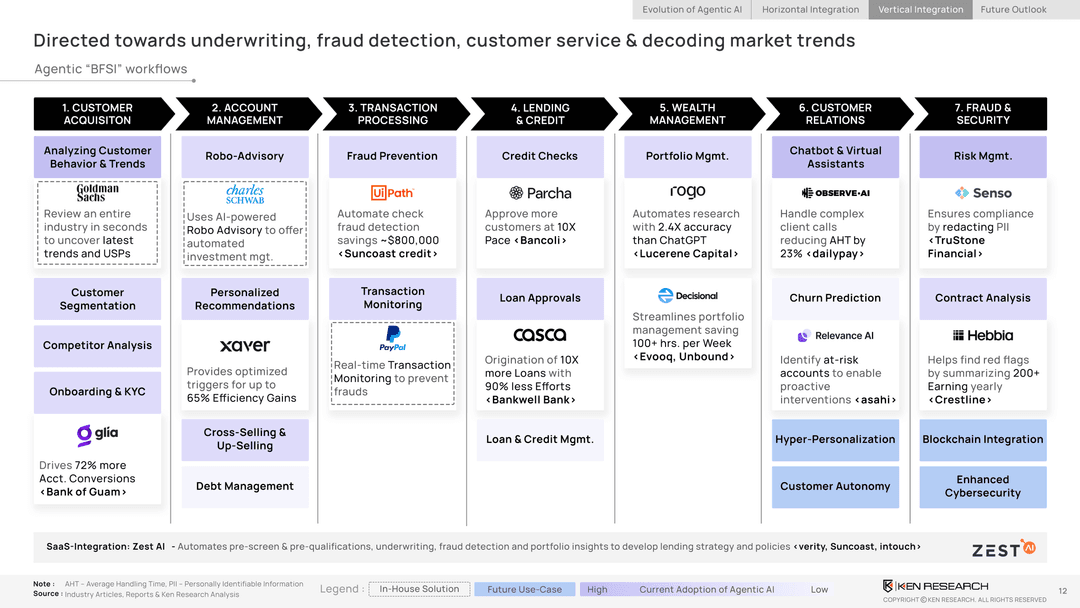
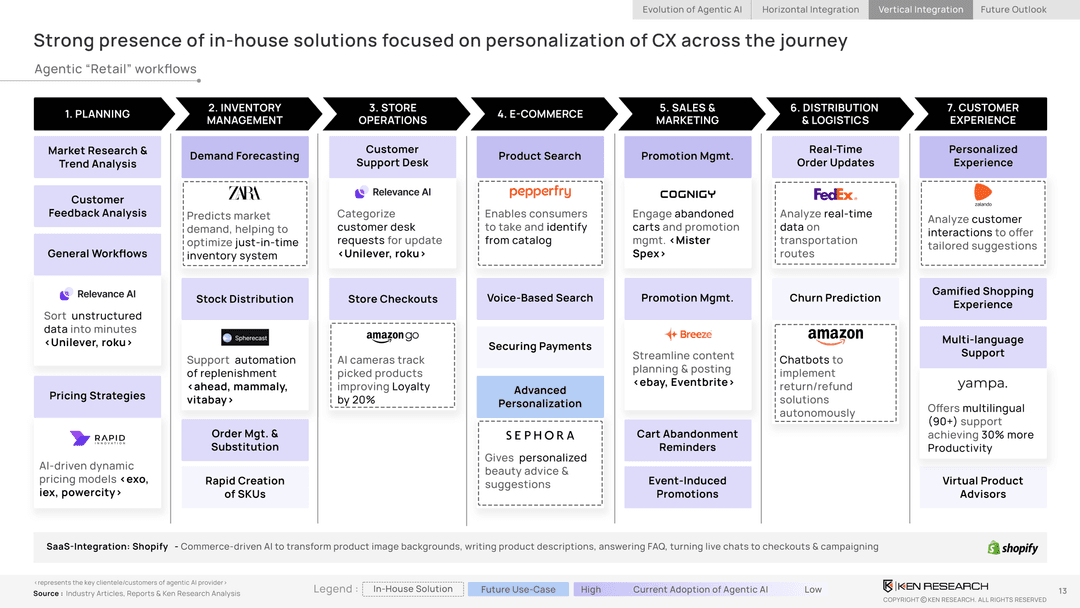
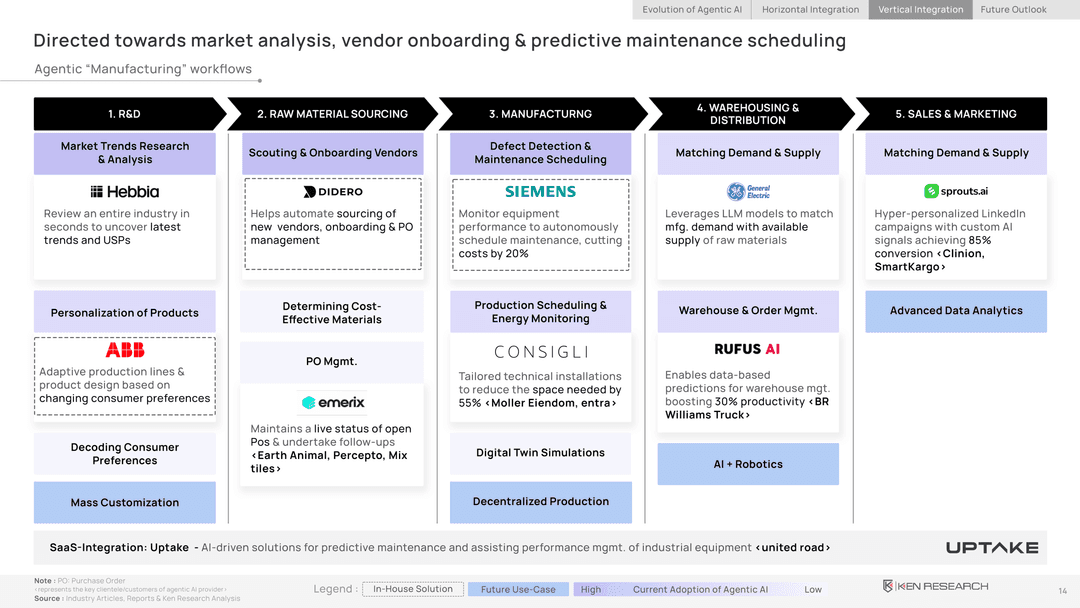
As organizations transition from rule-based automation to intelligent, autonomous systems, Agentic AI is emerging as the foundation of scalable, goal-driven enterprise workflows. Capable of dynamic decision-making and independent task execution, Agentic AI is reshaping industries like BFSI, retail, healthcare, and manufacturing.
Download the Full Consulting POV Now

A Fragmented and Uneven Landscape
- Pilots Are Widespread, But Scale Remains Limited: Many enterprises have launched pilot projects using Agentic AI tools such as AI-led resumescreening, customer support chatbots, and automated marketing workflows. However, these initiatives often remain siloed, with very few transitioning into fully scaled, enterprise-wide deployments.
- Barriers Slow Progress Toward Full Integration:A lack of sufficient budgets, combined with limited in-house expertise and workforce readiness, hinders the broader implementation of agentic solutions. Without adequate investment in infrastructure and skills, early pilots fail to evolve into mature, sustainable systems.
- Success Tied to Digital Maturity of the Organization: Agentic workflows are showing higher success rates in digitally mature sectors, where modern infrastructure and agile processes already exist.These organizations are better equipped to support real-time data integration, inter-agent coordination, and autonomous decision-making.
- Legacy Enterprises Face Greater Resistance: Companies with legacy IT ecosystems and rigid operational structures struggle to incorporate agentic systems.Their existing software stacks are often fragmented, outdated, or incompatible with AI-based modules making integration both costly and complex.
- Platform and Architecture Readiness Is Inconsistent: Many enterprises lack a unified digital platform that can host or orchestrate agentic tools across departments.This limits the ability to achieve cross-functional automation and reduces the strategic impact of these technologies.
Maturity Assessment Across Key Dimensions
Barriers to Advancing Agentic AI Maturity
- Siloed Enterprise Architectures Restrict Scalability:Most organizations operate with disconnected systems and data silos, making it difficult to deploy Agentic AI across workflows. This fragmentation prevents seamless coordination between agents and reduces the overall effectiveness of autonomous execution.
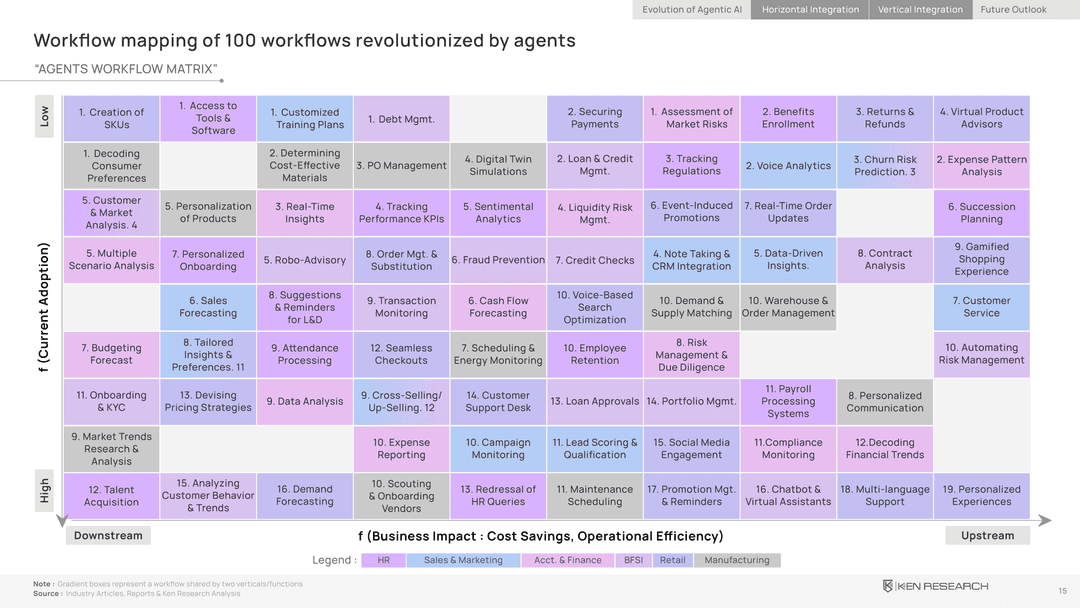
- Absence of Workflow Mapping Hinders Prioritization: Without clearly defined workflow maps, enterprises struggle to identify which processes are best suited for agentic automation.This lack of visibility leads to inefficient resource allocation and missed opportunities for early wins.
- Limited Investment in Full-Stack AI Infrastructure: Many companies lack the foundational layers such as integrated platforms, orchestration tools, and modular APIs required for large-scale agentic deployment.As a result, agentic initiatives often stall at the pilot stage.
- Legacy Systems Incompatible with Agentic Execution:Existing legacy software stacks are often rigid, closed, and not designed to support dynamic, intelligent agents. Integrating these systems with new AI technologies becomes costly, time-consuming, and technically challenging.
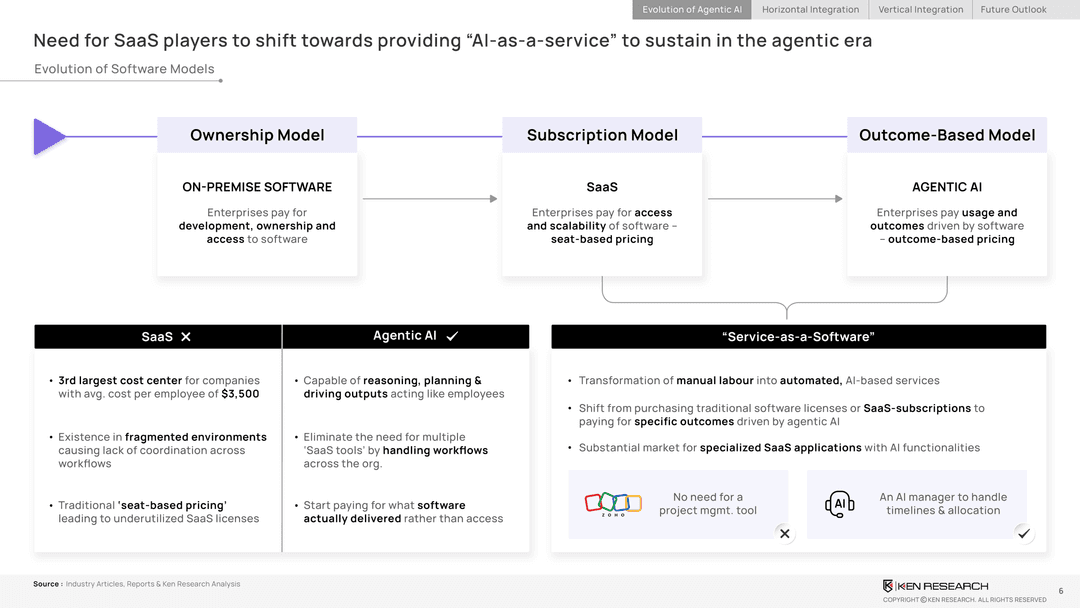
- Fragmented SaaS Ecosystems Undermine Autonomy: Enterprises using multiple uncoordinated SaaS tools find it difficult to build coherent agentic systems.This fragmentation limits automation scope and weakens the potential for agents to collaborate effectively across departments.
Strategic Levers to Accelerate Agentic AI Adoption
- Workflow Mapping:Identifying the right processes for automation is the foundation of effective agentic deployment. Workflow mapping helps enterprises uncover repetitive, rules-based, or decision-heavy tasks across departments that are best suited for intelligent automation ensuring faster returns and minimal disruption during implementation.
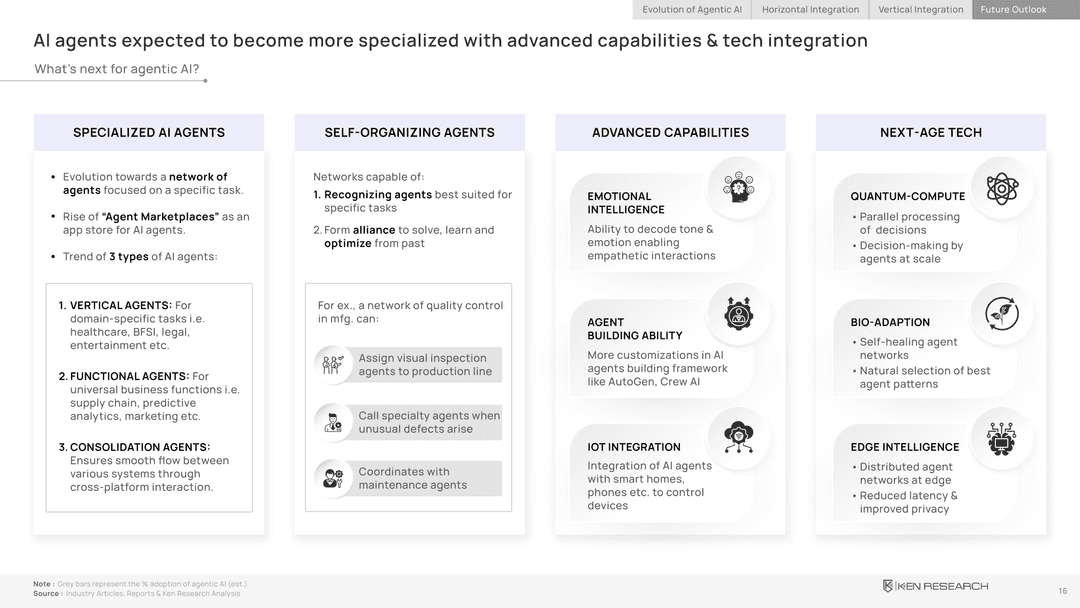
- Agentic Frameworks:Standardized frameworks define how agents interact with each other, with humans, and with enterprise systems. These frameworks ensure that AI behaviors are aligned across business units, enabling interoperability, security, and consistent performance in complex workflows.
- Talent Upskilling:Empowering the workforce with relevant skills is critical to successful adoption. Structured training programs help bridge the AI literacy gap across roles enabling technical teams to deploy systems confidently and business users to understand and work alongside intelligent agents.
- SaaS Stack Modernization:Legacy platforms often lack the flexibility needed for agentic execution. By upgrading to modular, API-driven SaaS tools, enterprises can enable seamless integration between AI agents and the broader software ecosystem ensuring real-time decision-making and data flow.
Quick Wins & Long-Term Steps
Quick Wins (1–2 years)
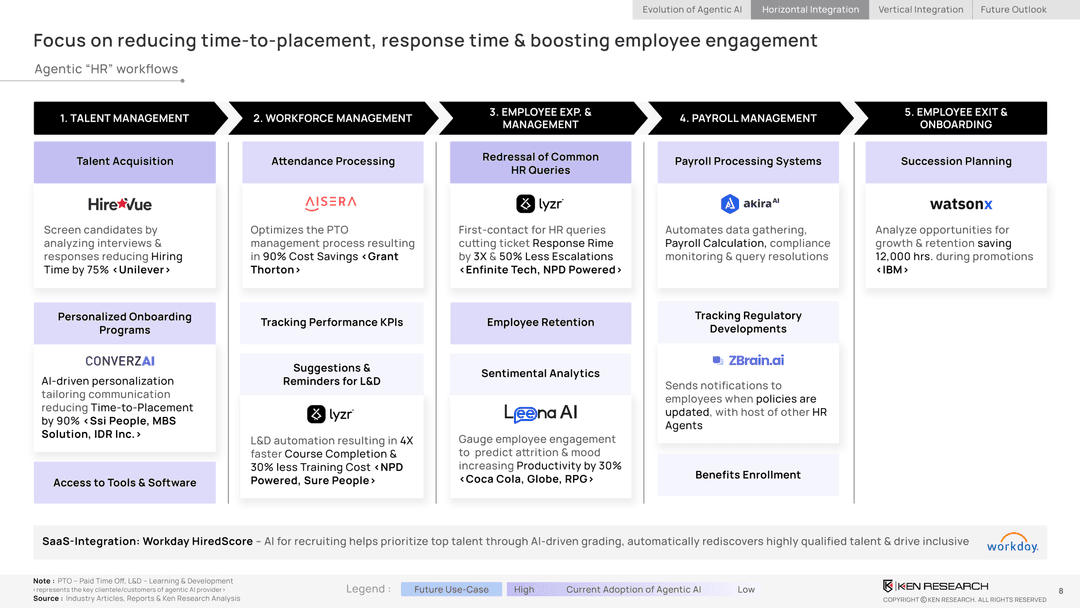
- Implement AI-driven resume screening and onboarding
- Launch intelligent support agents in high-volume customer service functions
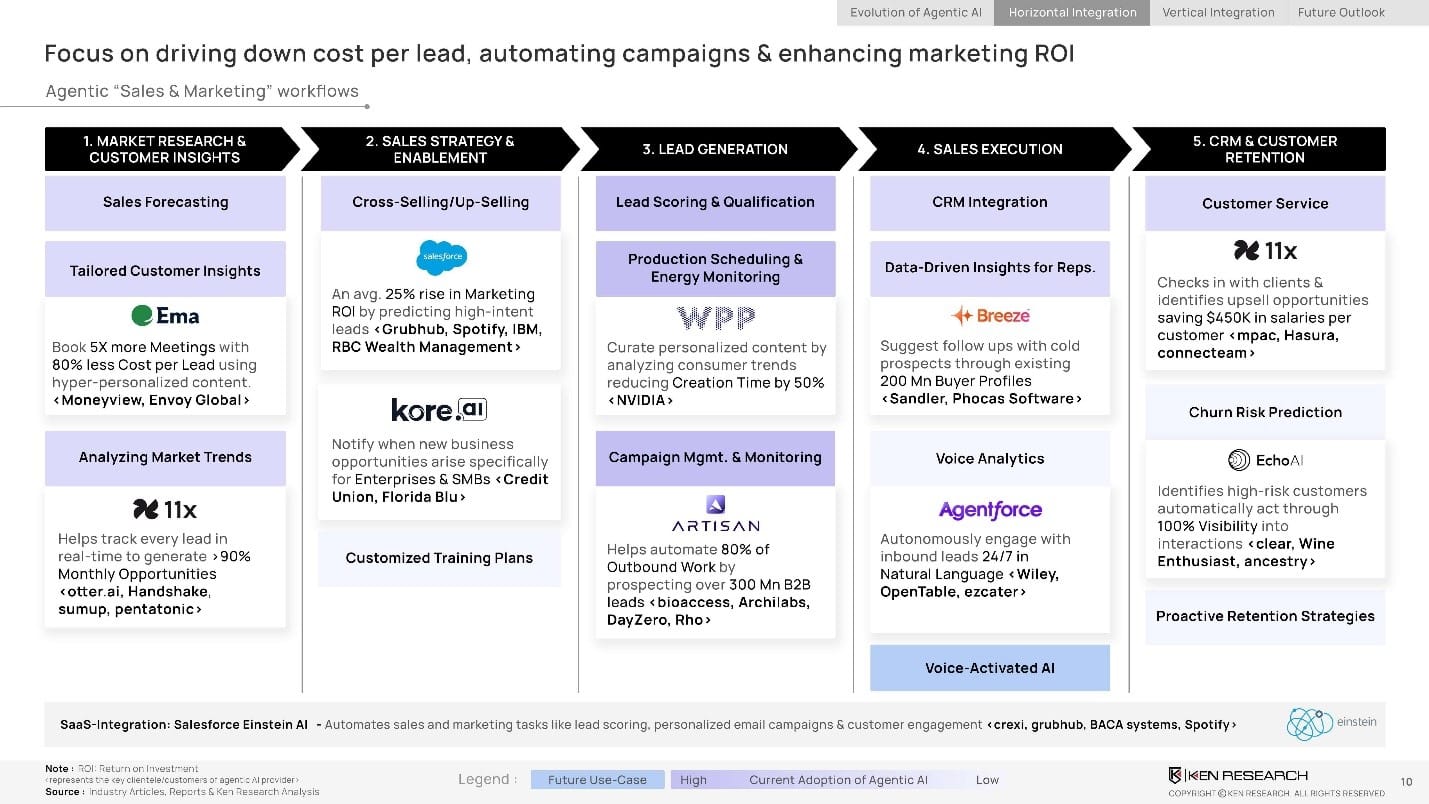
- Automate marketing campaigns and lead scoring using agentic logic
Long-Term Strategy (3–5 years)
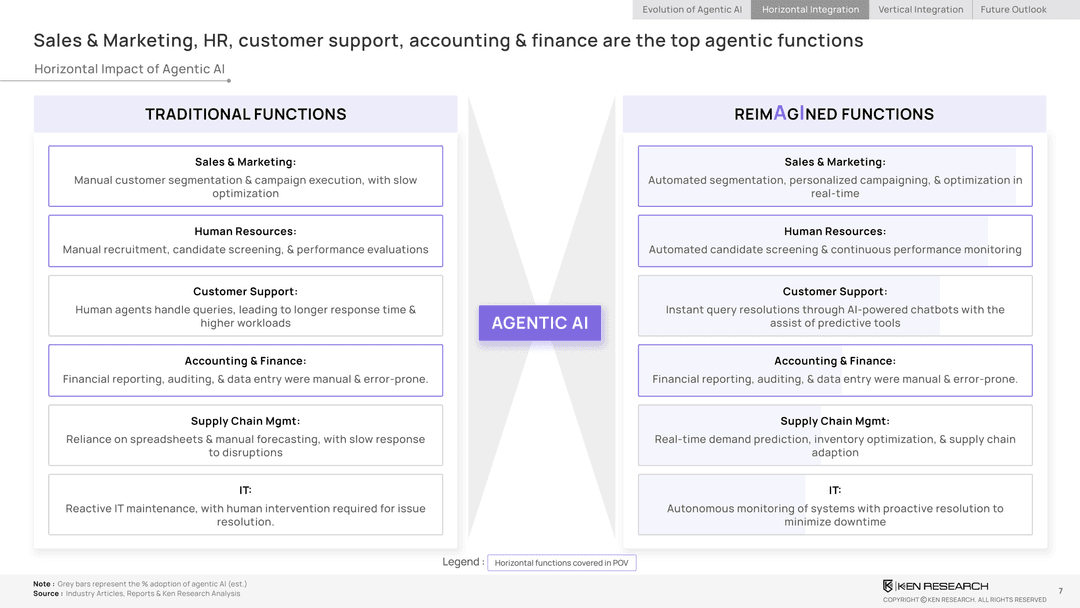
- Deploy cross-department agentic ecosystems across HR, finance, and sales
- Advance toward autonomous underwriting and fraud detection
- Build interoperable agentic systems that learn and scale across workflows
Agentic AI as the Cornerstone of Next-Gen Enterprise Transformation
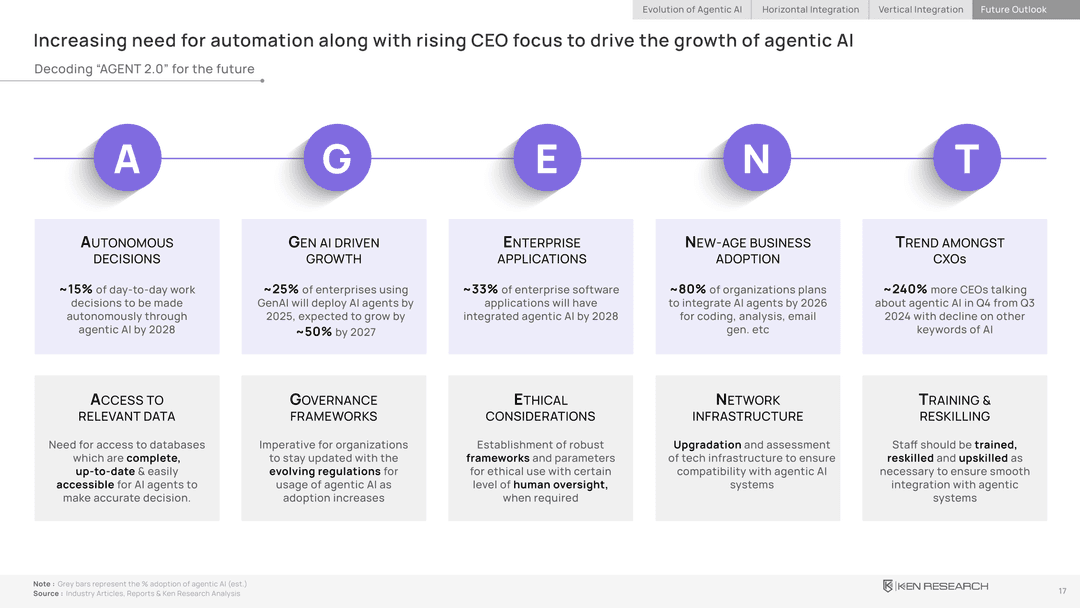
Agentic AI represents far more than a technological evolution it signals a fundamental shift in how enterprises will operate, scale, and compete in the coming decade. It offers a pathway toward building intelligent, self-directing systems that minimize manual intervention while maximizing efficiency, responsiveness, and personalization.
By strategically aligning talent, modernizing technology stacks, and embedding interoperable agentic frameworks, forward-looking organizations can unlock new levels of enterprise agility and resilience. Those who prioritize agentic maturity today will not only future proof their operations but will lead the charge in shaping the next frontier of enterprise automation and digital transformation.