Region:Middle East
Author(s):Geetanshi
Product Code:KRAD1312
Pages:80
Published On:November 2025
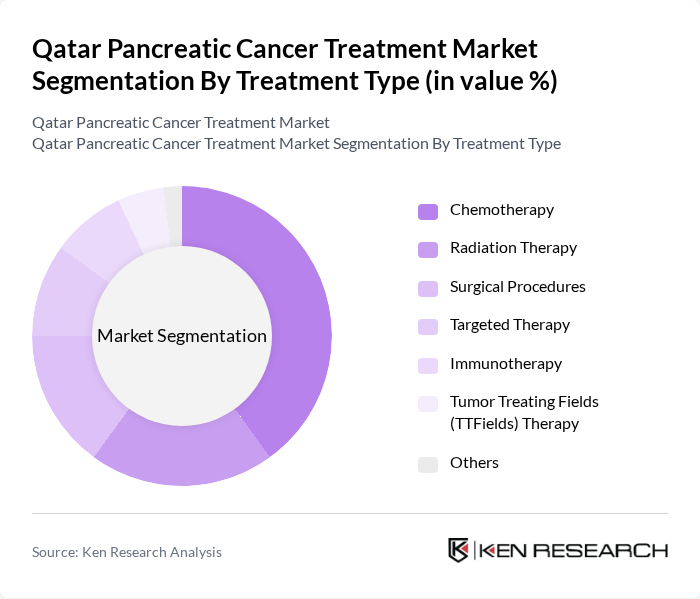
By Treatment Type:The treatment options for pancreatic cancer include various modalities that cater to different patient needs and cancer stages. The primary treatment types are chemotherapy, radiation therapy, surgical procedures, targeted therapy, immunotherapy, tumor treating fields (TTFields) therapy, and others. Among these, chemotherapy remains the most widely used due to its effectiveness in managing symptoms and prolonging survival rates. The increasing adoption of targeted therapies and immunotherapies is also notable, reflecting a shift towards personalized medicine and the integration of novel treatment modalities such as TTFields for locally advanced disease.
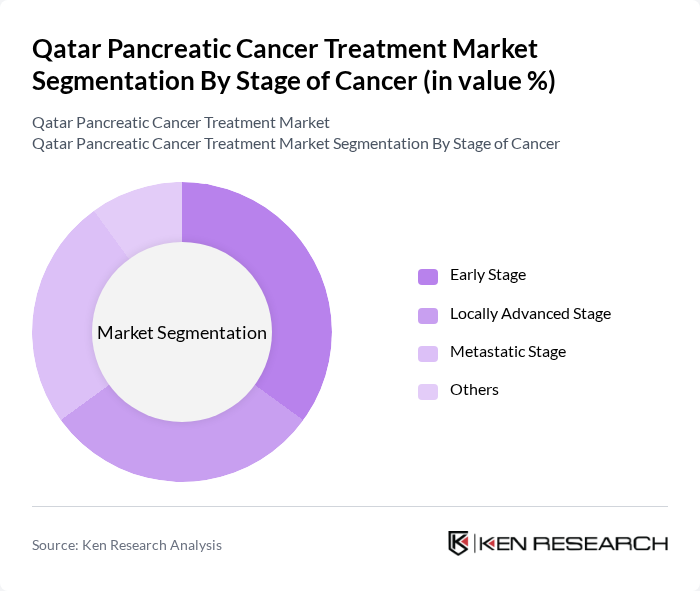
By Stage of Cancer:The segmentation by cancer stage includes early stage, locally advanced stage, metastatic stage, and others. The early-stage treatment segment is gaining traction due to increased awareness and screening programs, leading to earlier diagnoses. Locally advanced and metastatic stages require more aggressive treatment approaches, which are also being addressed through advancements in surgical techniques and systemic therapies. The focus on personalized treatment plans and multidisciplinary care is driving growth in these segments.
The Qatar Pancreatic Cancer Treatment Market is characterized by a dynamic mix of regional and international players. Leading participants such as Hamad Medical Corporation, Sidra Medicine, Al Ahli Hospital, Doha Clinic Hospital, Al Emadi Hospital, Aster Hospital Qatar, Qatar Cancer Society, National Center for Cancer Care and Research (NCCCR), Qatar University Health Clinic, Royal Medical Center, AstraZeneca Gulf, Novartis Qatar, Pfizer Gulf, Roche Qatar, Gulf Laboratory and Radiology contribute to innovation, geographic expansion, and service delivery in this space.
The future of the pancreatic cancer treatment market in Qatar appears promising, driven by ongoing advancements in medical technology and increased healthcare investments. The integration of telemedicine is expected to enhance patient access to specialists, particularly in remote areas. Additionally, the focus on personalized medicine will likely lead to more effective treatment protocols tailored to individual patient needs, improving overall outcomes and patient satisfaction in the coming years.
| Segment | Sub-Segments |
|---|---|
| By Treatment Type | Chemotherapy Radiation Therapy Surgical Procedures Targeted Therapy Immunotherapy Tumor Treating Fields (TTFields) Therapy Others |
| By Stage of Cancer | Early Stage Locally Advanced Stage Metastatic Stage Others |
| By Patient Demographics | Age Group Gender Socioeconomic Status Nationality Others |
| By Treatment Setting | Hospital Outpatient Clinics Home Care Others |
| By Geographic Distribution | Urban Areas Rural Areas Others |
| By Healthcare Provider Type | Oncologists General Practitioners Surgeons Multidisciplinary Teams Others |
| By Insurance Coverage | Private Insurance Public Insurance Out-of-Pocket Others |
| Scope Item/Segment | Sample Size | Target Respondent Profiles |
|---|---|---|
| Oncology Treatment Facilities | 100 | Oncologists, Treatment Coordinators |
| Patient Support Groups | 60 | Patients, Caregivers, Support Group Leaders |
| Healthcare Policy Makers | 40 | Health Ministry Officials, Policy Analysts |
| Pharmaceutical Companies | 50 | Product Managers, Medical Affairs Directors |
| Clinical Research Organizations | 40 | Clinical Researchers, Trial Coordinators |
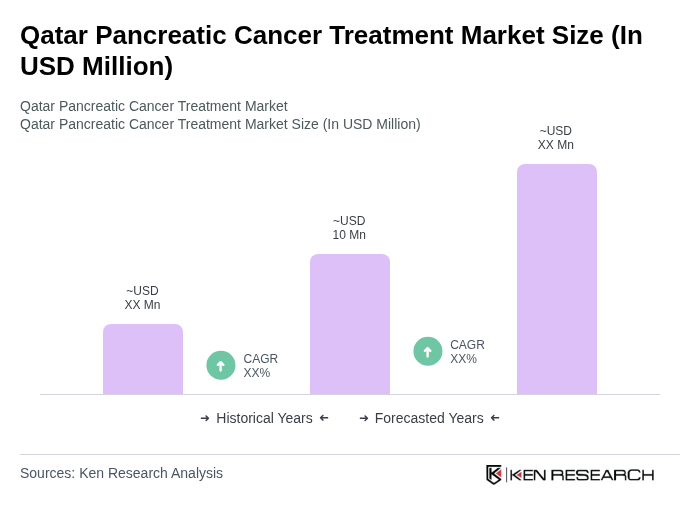
The Qatar Pancreatic Cancer Treatment Market is valued at approximately USD 10 million, reflecting a five-year historical analysis. This growth is driven by the increasing prevalence of pancreatic cancer and advancements in treatment technologies.

What makes us stand out is that our consultants follow Robust, Refine and Result (RRR) methodology. Robust for clear definitions, approaches and sanity checking, Refine for differentiating respondents' facts and opinions, and Result for presenting data with story.

We have set a benchmark in the industry by offering our clients with syndicated and customized market research reports featuring coverage of entire market as well as meticulous research and analyst insights.

While we don't replace traditional research, we flip the method upside down. Our dual approach of Top Bottom & Bottom Top ensures quality deliverable by not just verifying company fundamentals but also looking at the sector and macroeconomic factors.

With one step in the future, our research team constantly tries to show you the bigger picture. We help with some of the tough questions you may encounter along the way: How is the industry positioned? Best marketing channel? KPI's of competitors? By aligning every element, we help maximize success.

Our report gives you instant access to the answers and sources that other companies might choose to hide. We elaborate each steps of research methodology we have used and showcase you the sample size to earn your trust.

If you need any support, we are here! We pride ourselves on universe strength, data quality, and quick, friendly, and professional service.













