From Cost-of-Living Pressure to a 2025 Reset: How Easing Inflation and USD 6.5 Bn in Investment Are Reshaping the Australian Retail Market
Ken Research
December 30, 2025 - 10 min read
December 30, 2025
by Ken ResearchHigher operating costs and dampened consumer spending due to elevated inflation constrained Australian retailers throughout 2023-24. 2025, however, was marked by a recovery in retail activity, supported by easing inflation, stabilising interest rates, and improving consumer confidence.
Brands are now betting on omni-channel retail to create stronger customer loyalty, although some retailers still struggle to entice consumers away from their screens and encourage them to step out and engage with the in-store shopping experience once again.
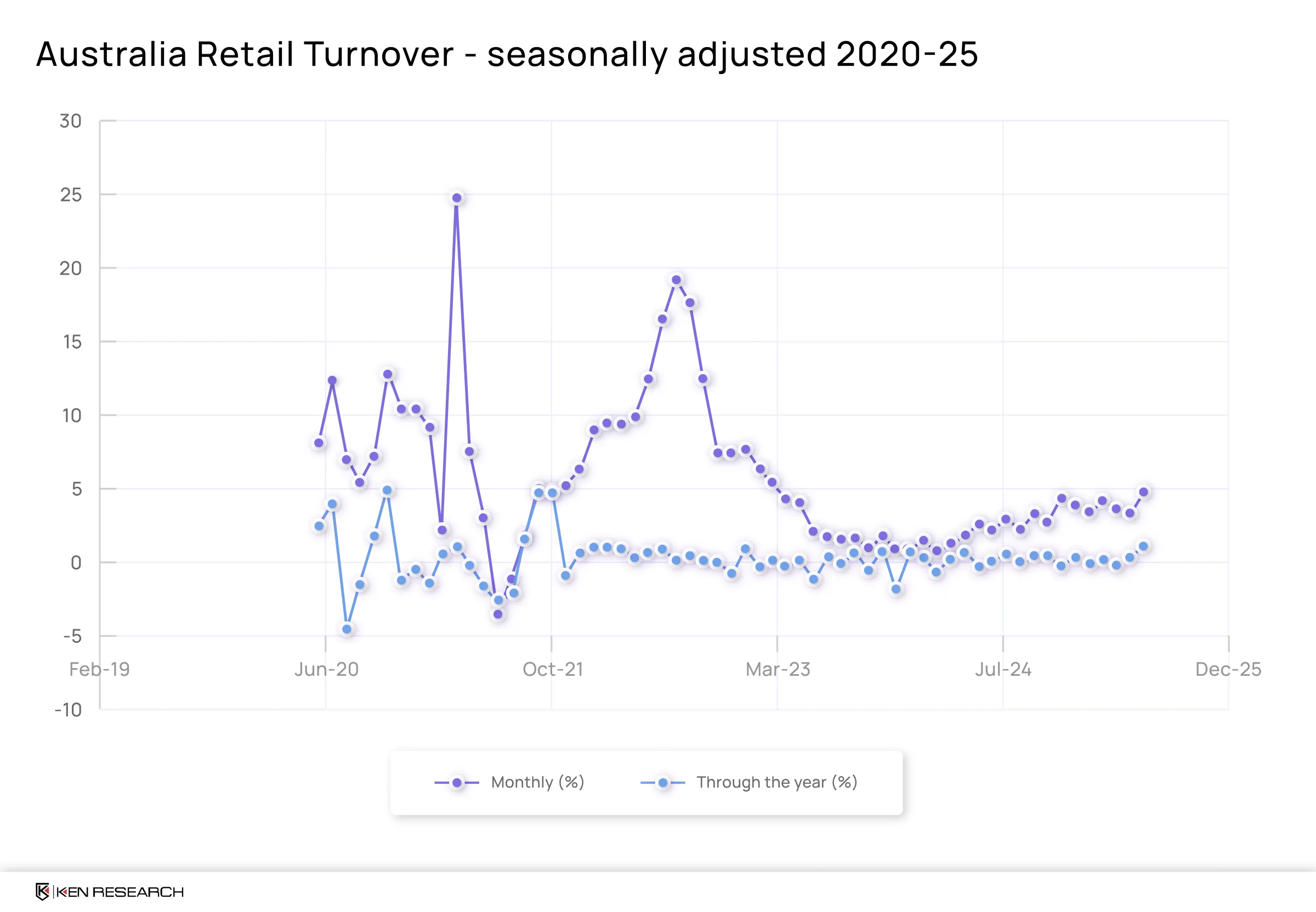
While conditions have improved, Aussies are still consciously regulating their spending habits. A strong preference among consumers towards spending on essentials over luxury continues to exist. Consumers, wary of another financial crisis rebound and are hunting for deep discounts paired with top-notch product quality. But can retailers really survive the insolvency surge, up by 28% and continuously growing through FY25, by just slashing prices?
The Comeback of Retail in Australia
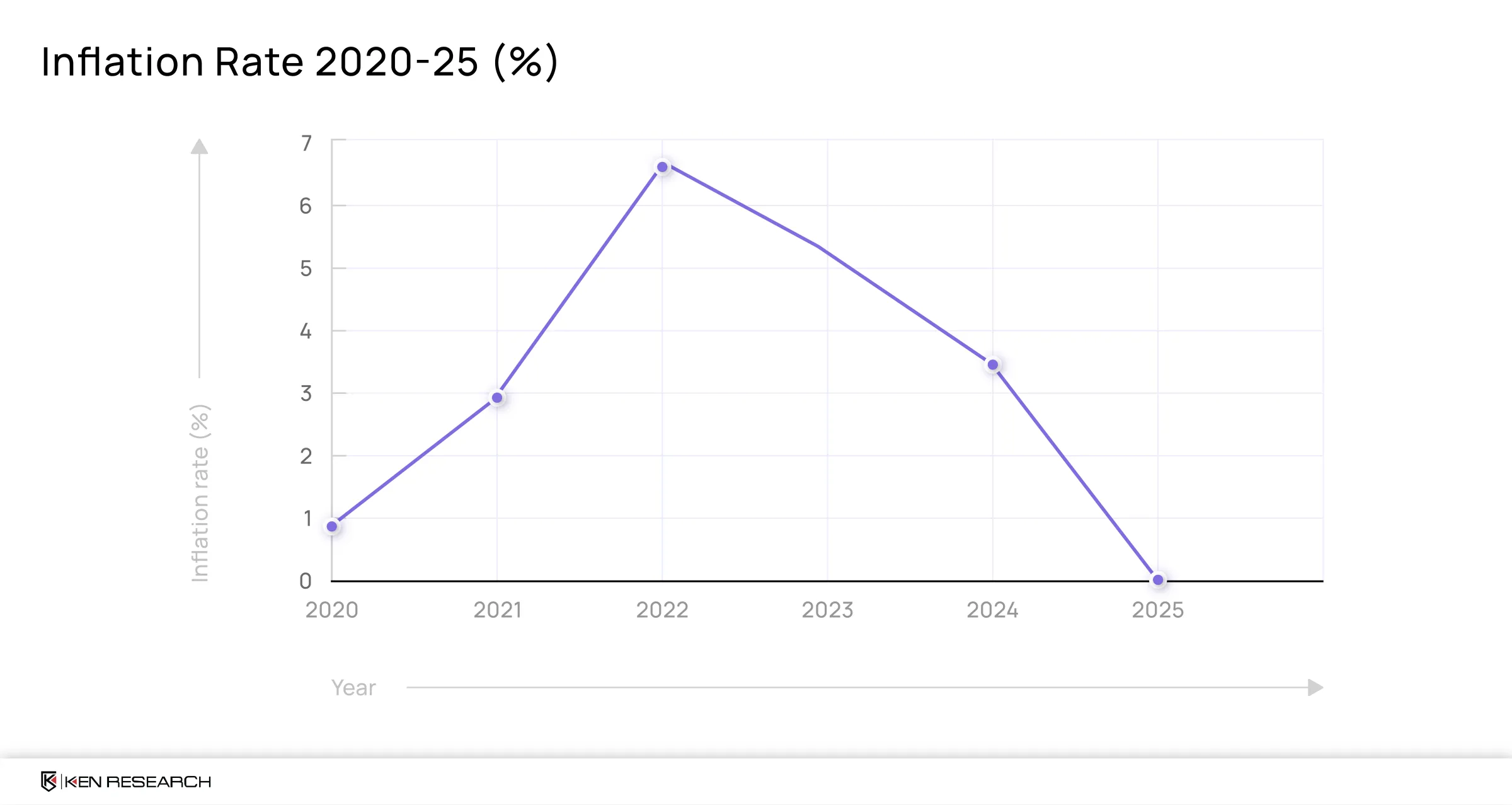
Rising inflation and the decline in incomes have had Australia struggling for the past couple of years. Retail was hit hard amid increased spending on essentials and tightening budgets for discretionary spending. The country is now facing a wave of relief – incomes are growing back, and inflation is slowly easing out.
Income Gains
More than 2% year-on-year growth in disposable incomes, combined with the decline in interest rates, and increasing income gains, is leading the rebound of retail in Australia.
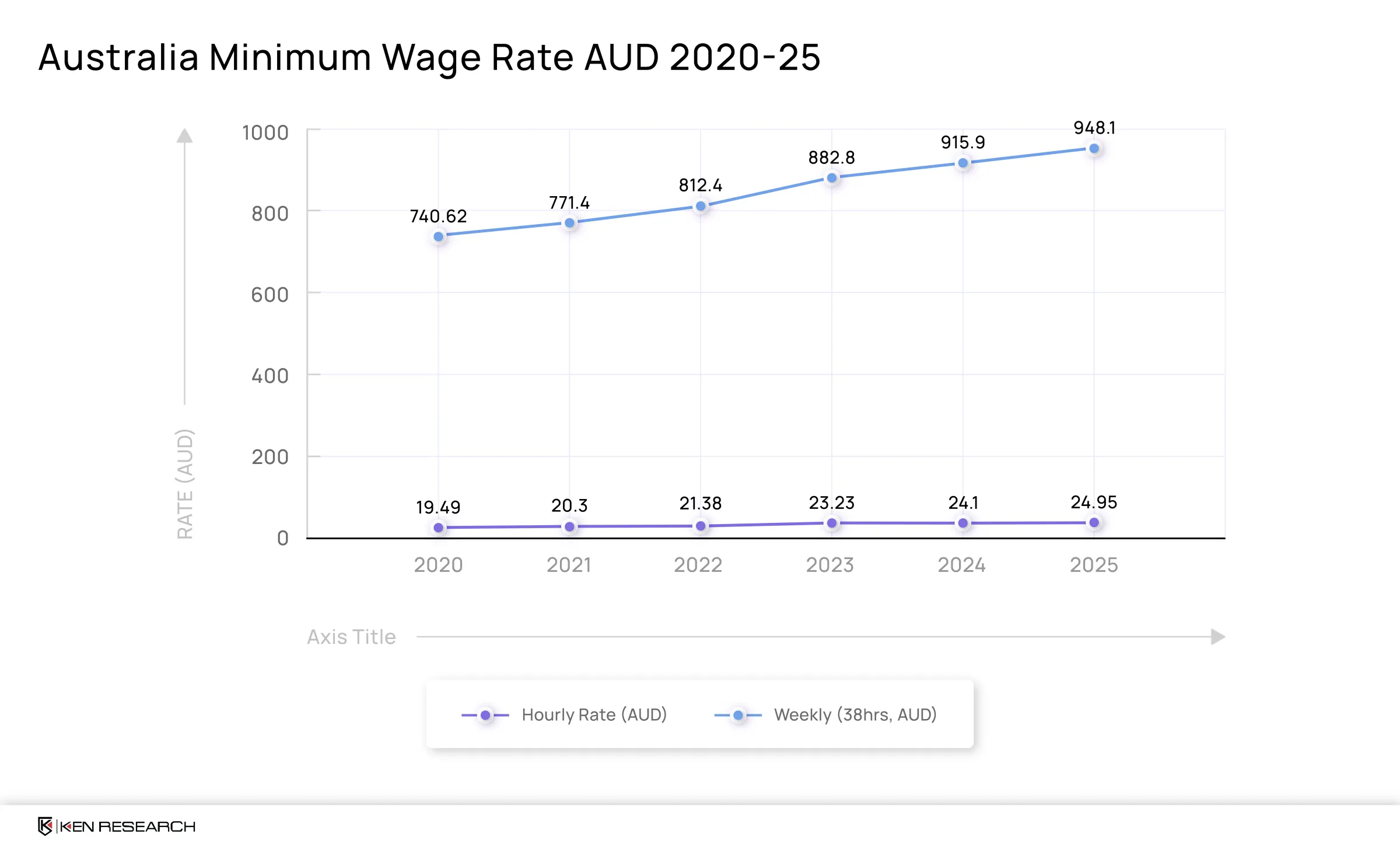
Labour shortages across the country led to an increase in wages, which was also supported by the legislated hikes in minimum wages. The tight job market has led to over 3% growth in wages.
With rate uncertainty easing and markets expecting rates to settle around the high-2% range, financing conditions are becoming more supportive. Decreasing mortgages and real income gains are allowing Aussies to once again loosen up and reclaim their spending powers.
Customers are now actively taking advantage of seasonal and annual sales to gradually be back on track with their spending- over 50% of individuals had planned their shopping by October, highlighting increased pre-festive spending.
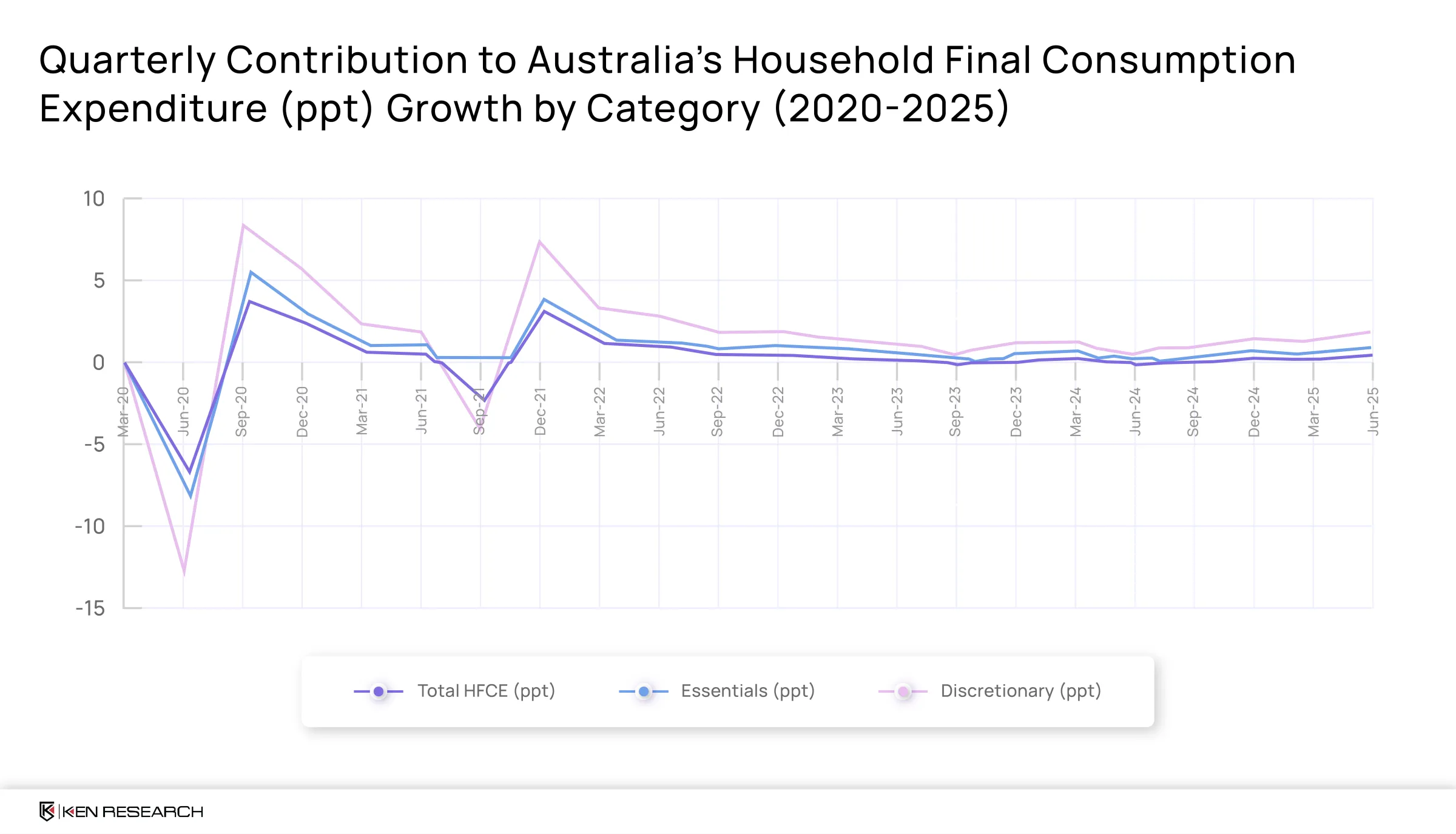
Black Friday and Cyber Monday sales will alone generate almost USD 4.5 billion in sales this year. Recent forecasts for the six-week peak season to Christmas put total retail sales at about 46 billion, marking an over 2.6% increase from 2024.
The Gen Z and Millennial population struggled the most amid rising rents and interest rates – their budgets were squeezed more than older cohorts due to their likelihood to rent, carry newer mortgages, and have lower accumulated savings. As the situation eases, the younger generation is all set to lead the retail spending.
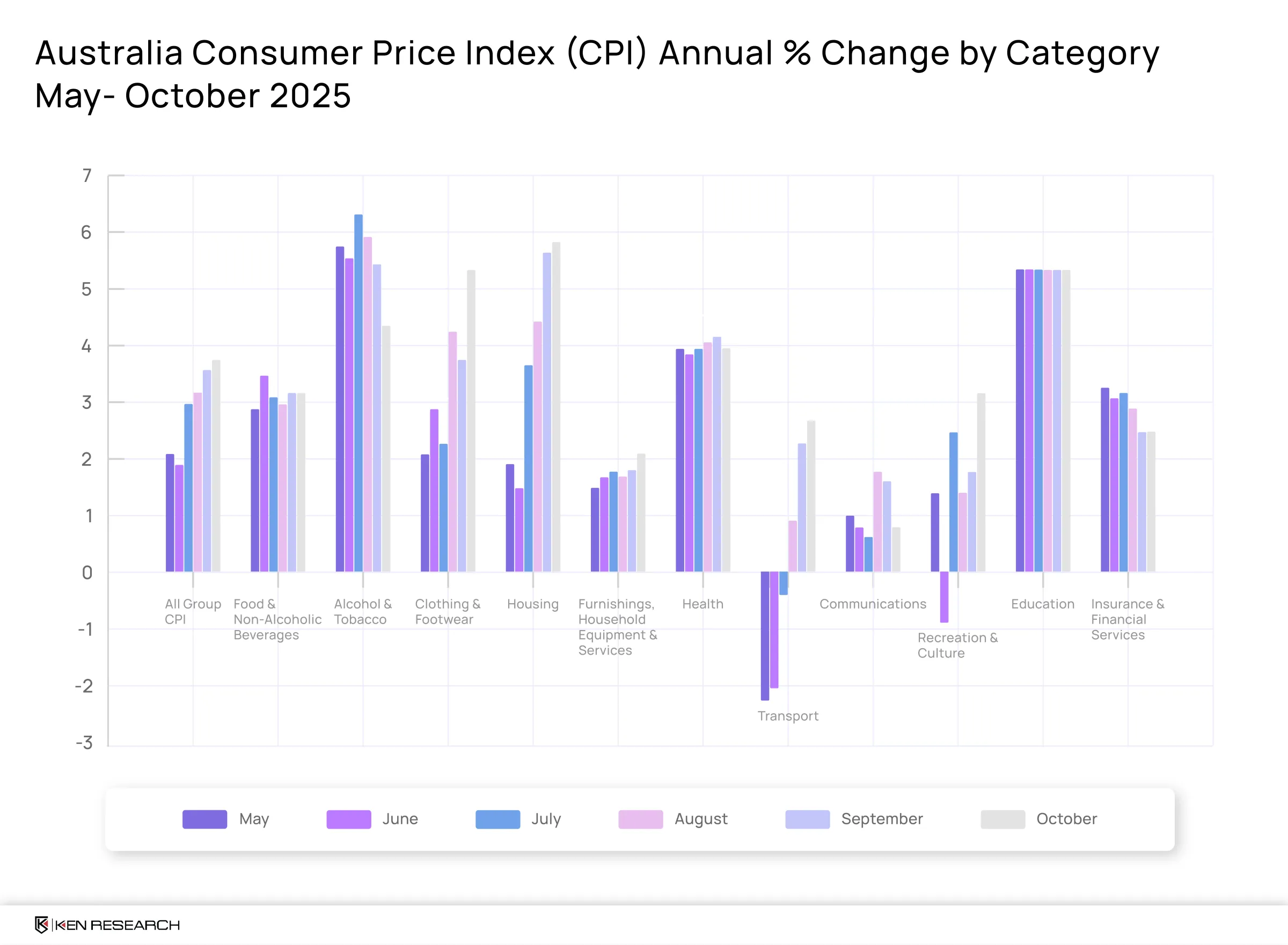
With easing inflation, retail growth is increasingly demand-led rather than price-led, with sales rising around 3–4% in nominal terms and roughly 2–3% in real volumes. This signals a more sustainable recovery in consumer spending.
Certain retail categories are set to grow in the next couple of years – wellness, beauty, home & lifestyle, etc., concentrating growth. There is a promising opportunity to expand into these growth-driving categories. Get a holistic understanding of the top 10 retail categories to expand in - Connect with our Experts
Retail Property Growth
Property leasing is gaining momentum once again. Footfalls in malls and retail centres are now competing with 2019 peaks, with Brisbane, Perth and Adelaide exceeding pre-COVID levels.
Profits remained resilient for major Australian retailers in 2025 amid the economic slowdown - EBIT margins stayed strong while gross profits turned positive.
Improved MAT and the resilience showcased by retail amid shrinking consumer spending on non-discretionary items are drawing retailers to sign leases once again!
Australia’s retail property investment climbed to around USD 6.5 billion in 2024, up 39% year on year. This was supported by easing inflationary pressures and a more stable interest-rate outlook. New South Wales led investment activity with roughly USD 2.4 billion in deals, followed by Victoria and Queensland. Shopping centres continued to dominate and accounted for the majority of investment. Momentum carried into 2025 as well, with Q1 investment reaching approximately USD 1.9 billion, up 29% versus Q1 2024.
Sydney’s Westpoint Shopping Centre was sold for a whopping USD 610 million to international buyers, showcasing increasing trust from foreign investors in Australia’s retail potential.
The macro headwinds had the retail sector shaken only slightly - Retail outperformed other sectors due to essential spending stability and operational recovery, causing retail sales growth to accelerate to almost 3-4% year-on-year by mid-2025.
Eastern states like New South Wales, Victoria and Queensland continued to dominate the Aussie retail investment—fuelled by massive population growth, creation of migration hotspots, and infrastructural developments like airport expansions, driving shopper demand in these regions.
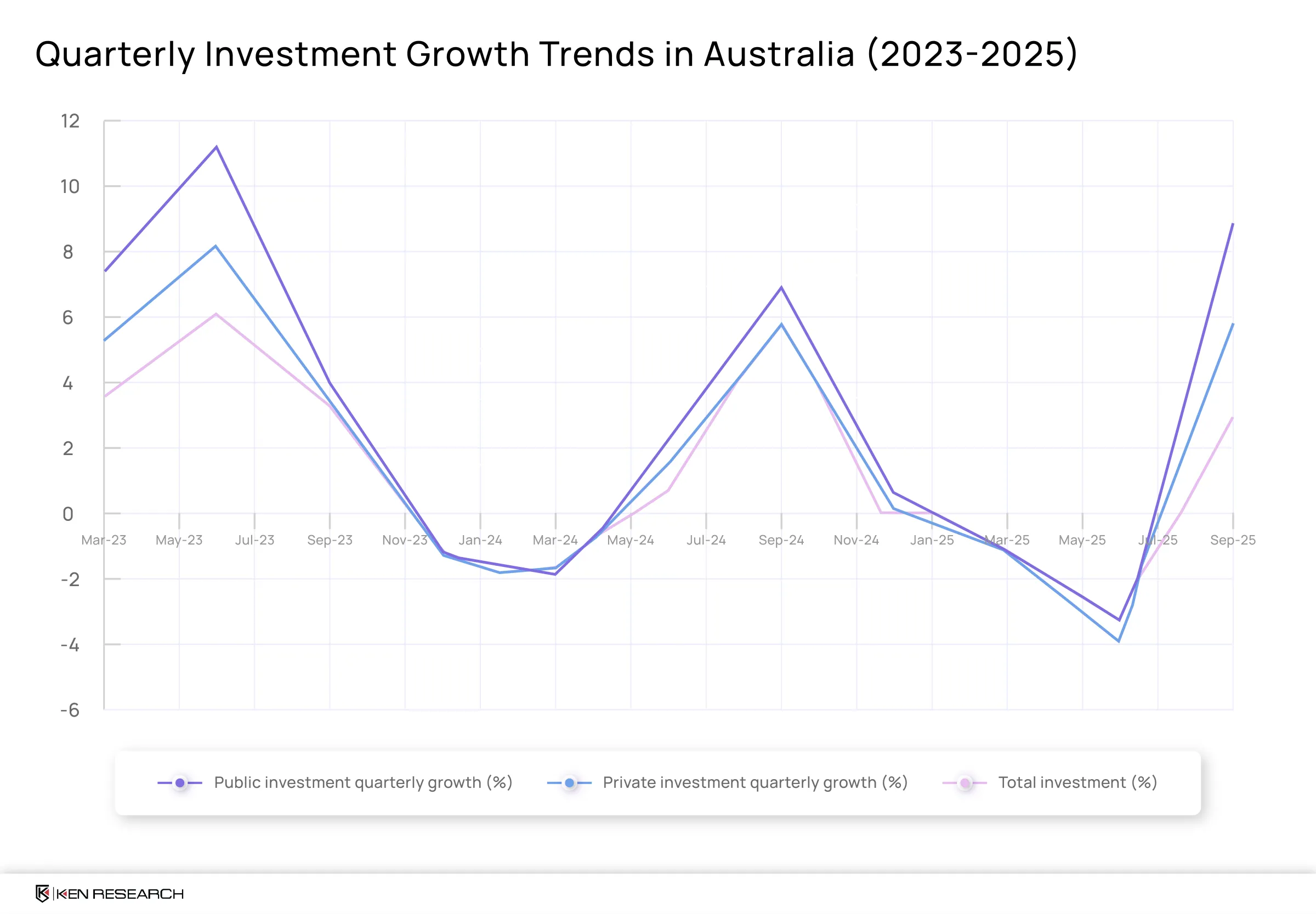
These investment growth trends reflect improving public and private capital conditions that support infrastructure development, business confidence, and the expansion of retail property investment across Australia.
Retail property purchase was dominated by private investors in 2024 as REITs and other large institutions sold holdings amid rising uncertainty. 2025 marked a turning point – REITs became net buyers, private capital shifted to sellers, and cross-border investors ramped up due to strong leasing, cheaper financing and resilient sales, ringing the global money flooding back to Australia once again.
Customer is King – What Does the King Desire?
Customers now wish to explore and connect with brands on a deeper level, without giving up their newly found ease with online shopping. Customers want the king-like treatment – An experience that is frictionless, speedy, diverse and most importantly, easy on the pocket. Tapping into changing customer preferences can help businesses crack retail in Australia in 2025.
A Seamless Experience
Customers desire convenience and are willing to pay a premium for it. Speedy deliveries, accurate ETAs, proactive customer service, increased product availability, and flexible returns. A frictionless experience is increasingly becoming a priority for consumers.
Affordability and Tangible Value
Australian consumers are highly price sensitive as they recover from the high costs of living. Buy now-pay later is becoming increasingly popular among consumers in Australia, allowing customers to fulfil their needs without the spending strain.
While discounts are a priority for most Australian consumers, there’s rising demand for value beyond just discounts – memberships, loyalty programs, cashbacks and VIP perks can help brands maintain a strong hold on their customer base.
A Sustainable Proposition
Customers are actively factoring in sustainability while making a purchase. Interest in sustainable products is strong and enduring, but conversion rates remain low as customers hesitate to pay the premium. There’s significant potential for retailers to tap into this growing trend.
Experience Driven Retail
In an industry where brick-and-mortar retail still dominates, building an interactive in-store experience that resonates with Aussie shoppers, builds lasting loyalty, and drives repeat visits. Seamless offline retail—intuitive store navigation, speedy checkouts, competitive pricing amid cost-of-living pressures, and reliable stock levels can help brands stand out in a market where offline shopping still contributes to more than 80% of the sales.
The Future of Retail
How will retail in Australia take shape in the next 10 years?
Retail - the Hybrid Way
Aussies crave the right amount of human touch, especially after the pandemic. Increasing demand for purchasing online and picking up in stores creates huge demand for a seamlessly operating hybrid retail model. The future of profitable retail lies in the development of an omnichannel that meets the needs of the consumer. Learn more about business model transformation – connect with our experts
Touch and feel, easy returns, impulse shopping and high-value buys make offline retail rewarding. This also implies decreased delivery costs, real-time inventory management and high customer retention – Click and Collect became increasingly popular, cutting delivery costs for most retailers. Studies also suggest that over 82% customers in Australia prefer a hybrid shopping experience that smoothly integrates digital and physical retail.
Know how Australia Pharmacy Retail Market will grow in the next 10 years ?
Innovative Retail Tech
Even today, contactless payments like tap-and-go with Apple Pay or buy-now-pay-later options such as Afterpay continue to remain the most popular retail tech, with over 90% adoption. Mobile wallet payments reached more than USD 105 billion annually. Shoppers are continuously chasing solutions that cut costs and hassle during tough economic times. Virtual fitting rooms help reduce uncertainty and returns, making purchases easier and more confident. The Australian virtual fitting room market is projected to grow significantly and reach over USD 975 million by 2030, growing at a CAGR of more than 26% from 2025 to 2030.
Personalization
A large chunk of Aussie customers appreciates some level of personalisation in their shopping experience – be it tailored discounts, customised rewards or personalised recommendations. Although complete data-driven personalisation remains limited, given the rising privacy concerns, despite high app adoption and loyalty sign-ups.
Early sale access, VIP events and membership perks make users feel seen, creating stronger brand associations. When brands use data transparently and authentically, consumers feel safer sharing info for personalised offers - especially after high-profile data breaches such as those experienced by Optus and Medibank.
A Loyal Community
People desire to be a part of something – something they can associate with. Brands building a strong community of users will pass the test of time and thrive amid growing economic and geopolitical instability. A loyal community of consumers built around shared value helps differentiate omnichannel retailers from pure e-commerce, boosting conversion in discretionary categories like fashion, where interaction builds trust and advocacy.
Bellroy, a design-led Australian accessories brand, has remained commercially resilient by building a loyal community. It focused on product functionality, quality, and long-term trust rather than frequent price discounting. Bellroy incorporates sustainability into its materials and product design as part of its brand ethos, but does not rely on explicit sustainability-linked price premiums, helping the brand maintain its performance even during inflationary pressures.
How Can a Business Tap into This Growing Potential?
Businesses in the retail space need to adapt and act quickly to changing consumer demands and preferences while building resilience to economic volatility and margin pressures.
Customer-Centric Sustainability Offerings
Consumers have often shown a strong preference for ethically sourced, carbon-neutral products and energy-efficient stores, but only a minority of them remain willing to pay a sustained premium for them.
This is a wakeup call for retailers to integrate sustainability into their offerings without premium pricing—by communicating true environmental value transparently and educating Aussie shoppers on the positive impact of choosing sustainable options over conventional ones, thereby turning sustainable choice into everyday value.
According to Ken Research, as Australia recovers from cost-of-living pressures, it becomes imperative that retailers avoid burdening consumers with green premiums – a smart approach would be to gradually introduce such premiums once the consumer is completely aware and on board with its value. Completely ignoring the growing demand and inclination for sustainable offerings might not be the wisest thing to do.
An Agile Supply Chain
Building a resilient supply chain in Australia tailored to specific product offerings can allow retailers to unlock new growth opportunities while improving efficiency.
Partnering with multiple courier providers helps ensure speed and reliability without diluting the customer value proposition, while AI-enabled stock management and demand forecasting can reduce inventory waste, lower costs, and improve replenishment accuracy.
Coles Group, one of Australia’s largest supermarket chains, reported more than USD 29 billion in revenues and profit exceeding USD 660 million in FY2025, proving the strength of its operating model. This performance was supported by investments in supply chain technology and inventory optimisation. Coles uses AI-driven demand forecasting and analytics across more than 850 stores and over 20,000 SKUs, improving stock availability and replenishment efficiency, thereby strengthening operational resilience without relying solely on price-led competition.
Targeting the Rising Growth Corridors
Increasing immigration in the country is creating a demand for multicultural retail. Inhabitation in new cities is causing the creation of new markets and increased demand from such growth corridors.
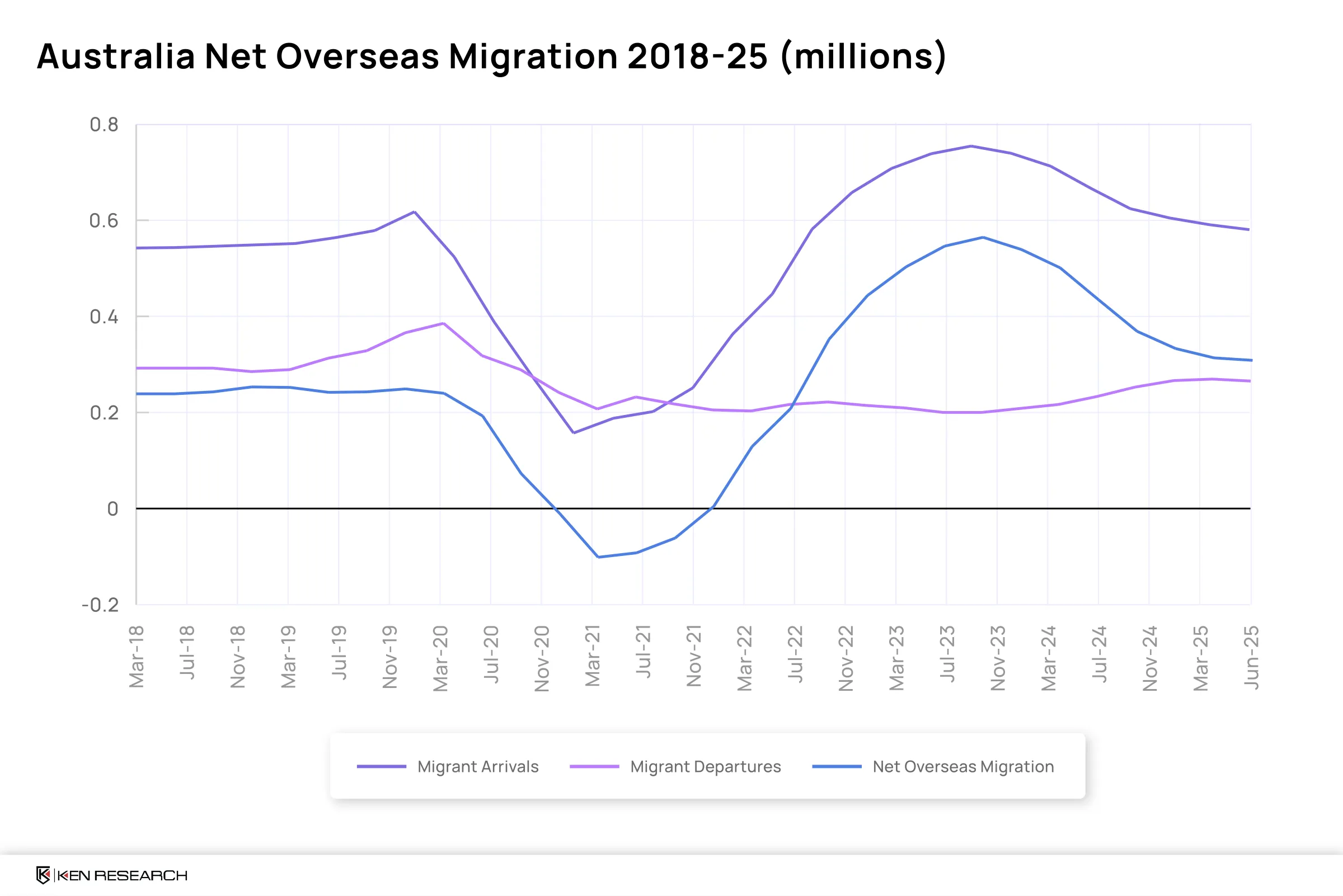
Population growth is shifting towards outer suburbs as a result of rising housing costs in inner cities and stable immigration inflows. This has led to the creation of new demand across multiple states. In Victoria, growth is strongest across the southeast and west, while Queensland is seeing rapid expansion around outer Brisbane and nearby coastal areas. Western Australia, on the other hand, continues to add population along Perth’s northern and southern corridors. Targeting high-growth corridors can build long-term retail resilience - Explore Australia’s key expansion regions - talk to our expert.
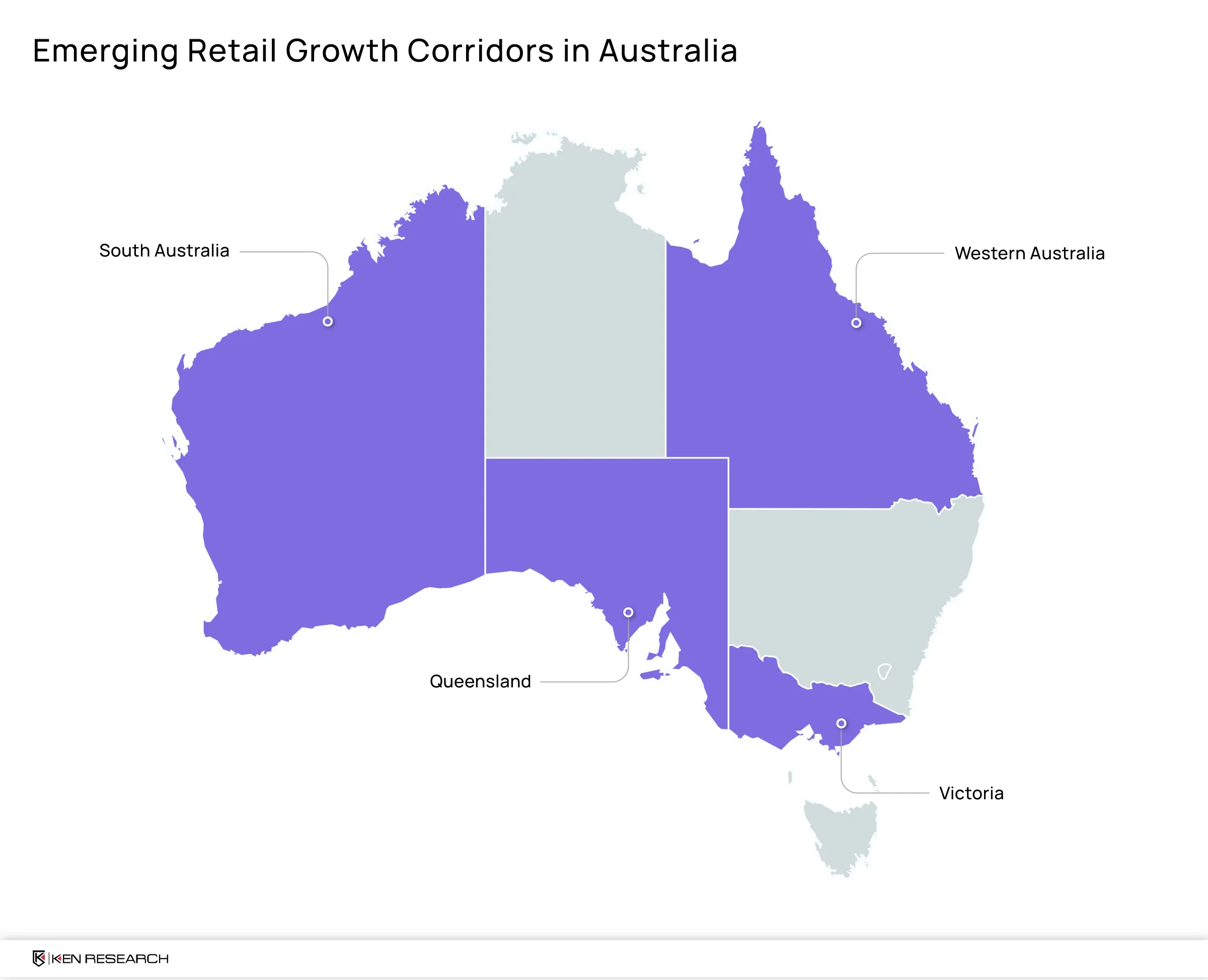
Mega-projects like the Western Sydney Airport at Badgerys Creek and Brisbane 2032 Olympics preparations are reshaping growth corridors in Oran Park and Yarrabilba into vibrant economic centres, fuelling interconnected residential, commercial, and retail development.
Access a complete set of actionable strategies to make your retail business grow – Connect with our Experts.
Conclusion
Easing inflation, softer interest rates, renewed momentum in retail property, and demand emerging from migration-led growth corridors helped stabilise Australia’s retail sector in 2025. The durability of this recovery, however, will hinge on how well retailers navigate broader economic uncertainty.
Building resilience requires a sharper response to evolving consumer expectations—greater personalisation, credible sustainability, stronger community connection, and a seamless omnichannel presence.
The rising construction costs have limited the creation of new malls and retail centres, causing increased traffic in the already existing centres. At the same time, increasing cross-border investment is reinforcing sector stability by strengthening asset quality and supporting resilient leasing conditions, enabling retail tenants to grow more profitably.
Over time, sustained profitability will depend on disciplined investment in supply chains, targeted expansion into high-growth corridors, and embedding sustainability in a way that supports value creation rather than price-led positioning.
Related tags
Consumer Products and Retail
Get started
We've helped companies around the world future-proof
their businesses - and we can do the same for you.