Region:Global
Author(s):Dev
Product Code:KRAC1953
Pages:84
Published On:October 2025
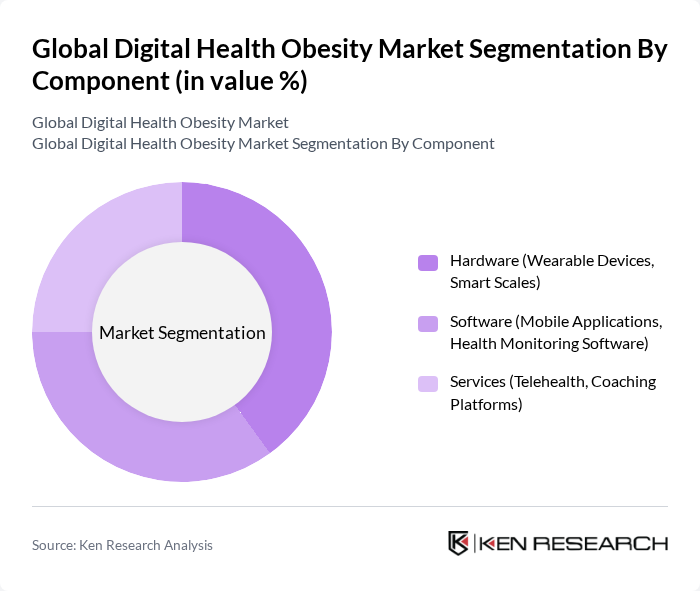
By Component:The components of the digital health obesity market include hardware, software, and services. Hardware encompasses wearable devices, connected health technologies, and smart scales that enable real-time monitoring and feedback, helping users monitor their weight and physical activity with enhanced accountability. Software includes mobile applications and health monitoring software that provide personalized health insights through AI-powered algorithms and data analytics designed to create individualized diet and exercise regimes as well as behavior change protocols. Services involve telehealth platforms, virtual coaching, nutrition coaching, and behavior modification programs that offer professional guidance, direct human interaction, and ongoing support for weight management, forming the backbone of digital health ecosystems.
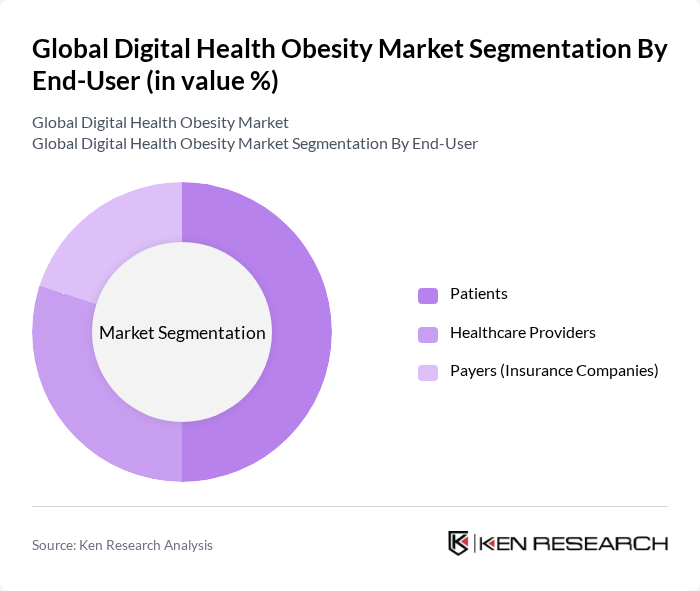
By End-User:The end-users of the digital health obesity market include patients, healthcare providers, and payers (insurance companies). Patients represent the primary end-users leveraging smartphone apps, wearables, and virtual coaching platforms to monitor and manage their weight and health, driven by increasing awareness, smartphone penetration, and demand for personalized wellness plans. Healthcare providers leverage these digital tools to enhance patient care, monitor health outcomes, facilitate online consultations, and integrate comprehensive platforms that combine coaching, data analytics, medication management, and behavioral therapy into seamless user experiences. Payers are increasingly investing in digital health solutions to reduce long-term healthcare costs associated with obesity-related diseases, with enhanced government and payer support driving adoption of digital therapeutics and virtual care services.
The Global Digital Health Obesity Market is characterized by a dynamic mix of regional and international players. Leading participants such as Omada Health, Noom, Inc., WW International, Inc., MyFitnessPal, Lose It!, Fitbit, Inc., Apple Inc., Teladoc Health, Inc., HealthifyMe, Liva Healthcare, Dietbet, LifeSum, DarioHealth Corp., WellDoc, Inc., Zocdoc, Inc. contribute to innovation, geographic expansion, and service delivery in this space.
The future of the digital health obesity market appears promising, driven by technological advancements and increasing consumer demand for personalized health solutions. As healthcare providers increasingly adopt telehealth services and mobile applications, the market is expected to witness significant growth. Additionally, the integration of artificial intelligence and machine learning into health solutions will enhance user engagement and improve health outcomes, making digital health tools more effective in combating obesity and promoting overall wellness.
| Segment | Sub-Segments |
|---|---|
| By Component | Hardware (Wearable Devices, Smart Scales) Software (Mobile Applications, Health Monitoring Software) Services (Telehealth, Coaching Platforms) |
| By End-User | Patients Healthcare Providers Payers (Insurance Companies) |
| By Application | Weight Management Nutritional Guidance Physical Activity Tracking Behavioral Therapy Chronic Disease Management |
| By Distribution Channel | Direct Sales Online Retail Mobile Platforms Partnerships with Healthcare Providers |
| By Pricing Model | Subscription-Based One-Time Purchase Freemium Model Pay-Per-Use |
| By User Demographics | Age Groups Gender Socioeconomic Status Geographic Location |
| By Technology Integration | AI and Machine Learning IoT Integration Data Analytics Blockchain Technology |
| Scope Item/Segment | Sample Size | Target Respondent Profiles |
|---|---|---|
| Healthcare Providers | 120 | Doctors, Nutritionists, Health Coaches |
| Digital Health Technology Developers | 85 | Product Managers, Software Engineers, UX Designers |
| Patients Using Digital Health Solutions | 150 | Individuals with obesity, Health App Users |
| Health Insurance Representatives | 70 | Policy Analysts, Claims Managers |
| Public Health Officials | 60 | Health Policy Makers, Program Directors |
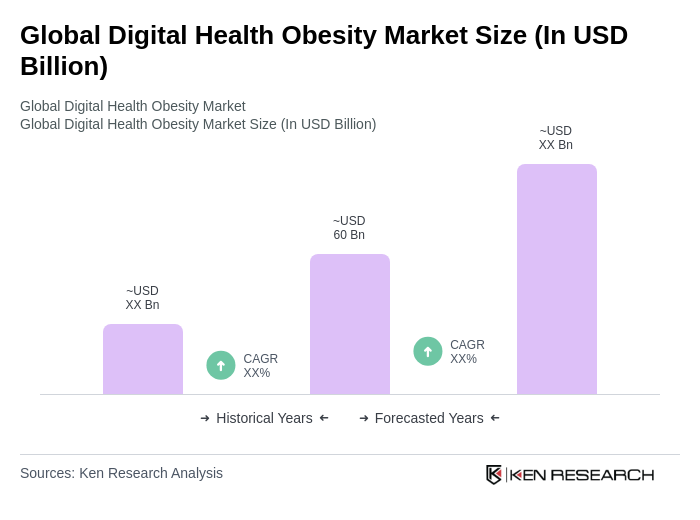
The Global Digital Health Obesity Market is valued at approximately USD 60 billion, driven by the rising prevalence of obesity and the adoption of digital health solutions that support weight management and lifestyle changes.

What makes us stand out is that our consultants follow Robust, Refine and Result (RRR) methodology. Robust for clear definitions, approaches and sanity checking, Refine for differentiating respondents' facts and opinions, and Result for presenting data with story.

We have set a benchmark in the industry by offering our clients with syndicated and customized market research reports featuring coverage of entire market as well as meticulous research and analyst insights.

While we don't replace traditional research, we flip the method upside down. Our dual approach of Top Bottom & Bottom Top ensures quality deliverable by not just verifying company fundamentals but also looking at the sector and macroeconomic factors.

With one step in the future, our research team constantly tries to show you the bigger picture. We help with some of the tough questions you may encounter along the way: How is the industry positioned? Best marketing channel? KPI's of competitors? By aligning every element, we help maximize success.

Our report gives you instant access to the answers and sources that other companies might choose to hide. We elaborate each steps of research methodology we have used and showcase you the sample size to earn your trust.

If you need any support, we are here! We pride ourselves on universe strength, data quality, and quick, friendly, and professional service.













